Savor the Goodness: Your Guide to the Best Homemade Vegetable Soup
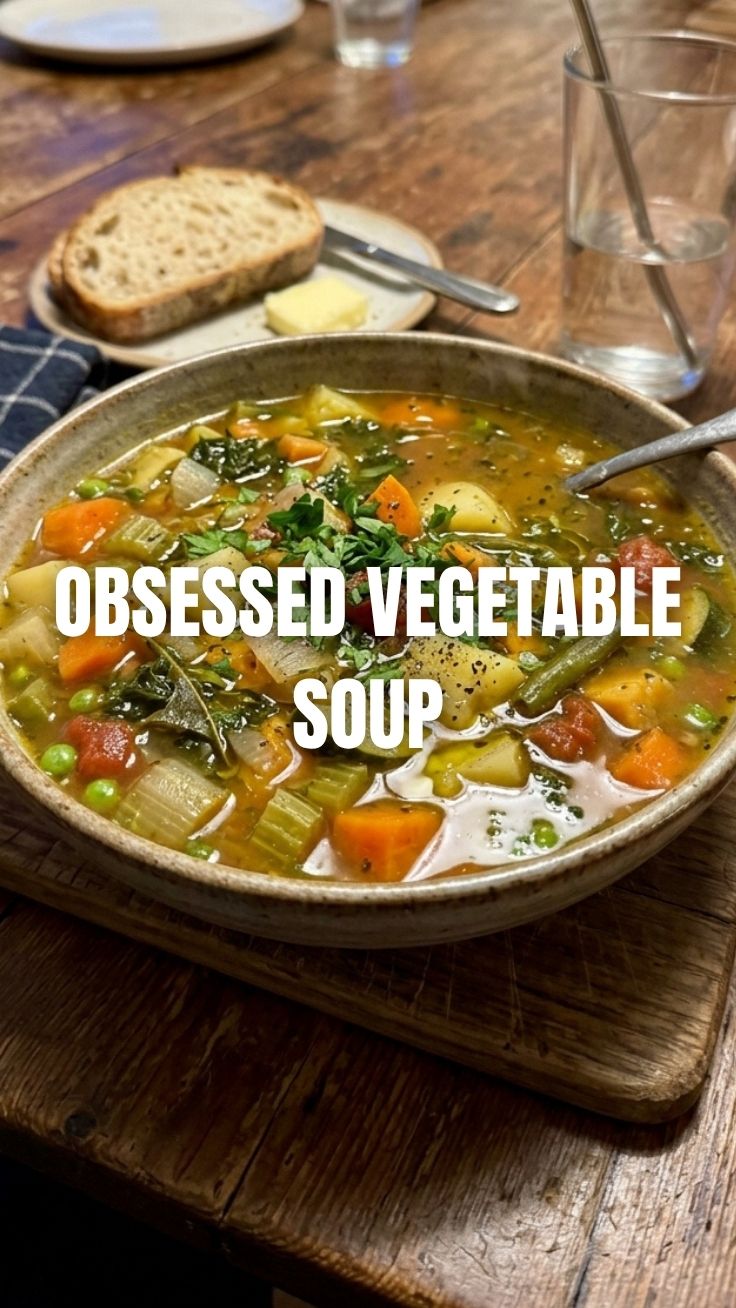
Ever craved a meal that warms you from the inside out, nourishes your body, and brings a comforting aroma to your kitchen? Look no further than a homemade bowl of Vegetable Soup (Homemade). This isn’t just any soup; it’s a vibrant, flavorful hug in a bowl, meticulously crafted to bring out the best of garden-fresh ingredients. Making your own from scratch is not only incredibly rewarding but also allows you to control every ingredient, ensuring a healthier, more personalized dish than anything store-bought. Plus, mastering a classic like this opens up a world of delightful Soup Recipes you can adapt and enjoy.
Ingredients & Kitchen Tools
Here’s what you’ll need to create your own delicious Vegetable Soup (Homemade):
Vegetables:
- 2 tablespoons olive oil: For sautéing and building a flavorful base.
- 1 large yellow onion, chopped: Adds a foundational sweetness and aroma.
- 2 carrots, peeled and diced: For natural sweetness and vibrant color.
- 2 celery stalks, diced: Essential aromatic, contributing a subtle savory note.
- 2 cloves garlic, minced: Pungent and aromatic, crucial for depth of flavor.
- 4 cups vegetable broth (low sodium preferred): The liquid base; choose low sodium to control seasoning.
- 1 (14.5 ounce) can diced tomatoes, undrained: Adds acidity and a rich tomato flavor.
- 1 cup chopped green beans: For a fresh, crisp texture.
- 1 cup corn kernels (fresh or frozen): Sweet and tender, adding a pop of color.
- 1 cup peas (fresh or frozen): Another sweet addition, rounding out the vegetable medley.
- 2 small zucchini, diced: Adds a subtle earthy flavor and tender texture.
- 1 cup small pasta (e.g., ditalini, small shells) or 1 cup cooked quinoa/rice: For heartiness and substance.
- 1 bay leaf: Infuses a subtle, aromatic depth.
Seasoning & Garnish:
- 1 teaspoon dried oregano: Classic herb for savory dishes.
- ½ teaspoon dried thyme: Earthy and aromatic.
- Salt and freshly ground black pepper, to taste: Essential for enhancing all flavors.
- Fresh parsley or basil, chopped: For garnish and a burst of freshness.
- Parmesan cheese, grated (optional): For a salty, umami finish.
Kitchen Tools:
- Large Dutch oven or stockpot (6-8 quart): Ideal for even heat distribution and ample capacity.
- Cutting board and sharp knife: For efficient vegetable preparation.
- Measuring cups and spoons: For precise ingredient measurement.
- Wooden spoon or spatula: For stirring and sautéing.
- Ladle: For serving.
Prep Time & Cooking Schedule
- Prep time: 20 minutes (mostly chopping vegetables)
- Cook time: 30-40 minutes
- Resting time: 5 minutes (allows flavors to meld before serving)
Plan your cooking session for a relaxed evening; the chopping can be done in advance to streamline the process. The total active time is less than an hour, making this a perfect weeknight meal.
Step-by-Step Instructions
1. Sauté Aromatics: Heat olive oil in a large Dutch oven or stockpot over medium heat. Add chopped onion, carrots, and celery. Cook, stirring occasionally, for 5-7 minutes until vegetables begin to soften. Add minced garlic and cook for another minute until fragrant. Do not burn the garlic.
2. Build the Broth Base: Pour in the vegetable broth and add the diced tomatoes (undrained) and bay leaf. Season with dried oregano, dried thyme, a good pinch of salt, and freshly ground black pepper. Bring the mixture to a simmer.
3. Add Harder Vegetables: Once simmering, add the green beans and zucchini. Cover and cook for about 10-15 minutes, or until the vegetables are tender-crisp.
4. Incorporate Pasta/Grains and Softer Vegetables: Stir in the small pasta (or cooked quinoa/rice), corn kernels, and peas. If using uncooked pasta, cook according to package directions in the soup, ensuring enough liquid. Continue to simmer for another 8-10 minutes, or until the pasta is al dente and all vegetables are tender. This step is where your Vegetable Soup (Homemade) truly comes to life, integrating all the wonderful textures and flavors.
5. Final Seasoning & Garnish: Remove the bay leaf. Taste the soup and adjust seasonings if necessary, adding more salt or pepper as desired. Ladle into bowls, garnish with fresh parsley or basil, and a sprinkle of Parmesan cheese if using. Serve hot. Preparing this robust and satisfying Soup Recipes from scratch ensures you control the freshness and flavor profile perfectly.
Nutritional Benefits & Advantages
This Vegetable Soup (Homemade) is a powerhouse of nutrition. It’s packed with vitamins (A, C, K), minerals (potassium, iron), and dietary fiber from the abundance of vegetables. Fiber aids in digestion and promotes a feeling of fullness, which can be beneficial for weight management. Being low in calories and fat, it’s an excellent choice for a healthy, satisfying meal. The antioxidant properties of many vegetables, such as Carrots and tomatoes, contribute to overall well-being and immune support.
Tips, Variations & Cooking Advice
- Spice it Up: Add a pinch of red pepper flakes for a subtle kick.
- Heartier Option: For a protein boost, add canned cannellini beans or cooked shredded chicken during the last 10 minutes of cooking.
- Herb Variations: Experiment with different fresh herbs like dill or chives.
- Gluten-Free: Use gluten-free pasta or replace pasta with quinoa, rice, or additional vegetables.
- Creamy Texture: For a creamier soup, blend a portion of the soup (about 1-2 cups) and then return it to the pot.
- Roast Vegetables First: For a deeper, more caramelized flavor, roast some of the heartier vegetables (carrots, onions, celery) in the oven before adding them to the soup pot.
Common Mistakes to Avoid
- Overcooking Vegetables: This can lead to mushy textures and loss of nutrients. Add vegetables in stages, starting with harder ones.
- Underseasoning: Taste and adjust! Broth can vary in sodium, so always check seasoning before serving.
- Skipping the Aromatics: Onion, carrots, celery, and garlic form the flavor foundation; don’t rush this step.
- Too Much Water: While you can always add more liquid, it’s harder to remove. Start with the recommended amount and adjust if needed.
- Not Removing Bay Leaf: A bay leaf adds flavor during cooking but should be discarded before serving as it’s not meant to be eaten.
Storage & Meal Prep Tips
Leftover Vegetable Soup (Homemade) stores wonderfully!
- Refrigeration: Store in an airtight container in the refrigerator for up to 3-4 days. The flavors often deepen overnight.
- Freezing: This soup freezes beautifully. Allow it to cool completely, then transfer to freezer-safe containers or bags. It will keep for up to 3 months. If adding pasta, it’s sometimes best to cook and add fresh pasta when reheating to avoid it becoming too soft.
- Reheating: Reheat gently on the stovetop over medium-low heat, stirring occasionally, until heated through. Alternatively, microwave in individual portions. Add a splash of broth or water if the soup has thickened too much.
Conclusion
Crafting a wholesome bowl of Vegetable Soup (Homemade) is more than just cooking; it’s an act of love for yourself and your loved ones. This comprehensive guide has equipped you with everything you need to create a nourishing, flavorful, and incredibly satisfying meal right in your own kitchen. We hope you feel empowered to dive into the world of homemade Soup Recipes. Give this recipe a try, savor the incredible flavors, and don’t hesitate to share your culinary creations with us!
FAQs
Q1: Can I use different vegetables?
A1: Absolutely! This recipe is highly customizable. Feel free to swap in seasonal vegetables like spinach, kale (add at the very end), bell peppers, or sweet potatoes.
Q2: What if I don’t have vegetable broth?
A2: Chicken broth can be used as a substitute if you’re not aiming for a vegetarian or vegan soup. Water can also work in a pinch, but the flavor will be less rich.
Q3: How can I make this soup thicker?
A3: For a thicker soup, you can purée about 1-2 cups of the cooked soup and stir it back into the pot, or mash some of the potatoes (if included). You could also add a tablespoon of flour or cornstarch mixed with a little cold water to create a slurry and stir it in.
Q4: Can I make this in a slow cooker?
A4: Yes! Sauté the aromatics (onion, carrots, celery, garlic) first for best flavor, then transfer everything to the slow cooker (except delicate greens like spinach and pasta, which should be added in the last 30 minutes to an hour). Cook on low for 6-8 hours or on high for 3-4 hours.
Q5: How can I enhance the flavor even more?
A5: A squeeze of lemon juice at the end can brighten flavors. A dash of Worcestershire sauce (check for vegan options if necessary) or a parmesan rind (removed before serving) can add umami depth.