Mastering the Art of Perfect Pesto Pasta: A Home Cook’s Guide
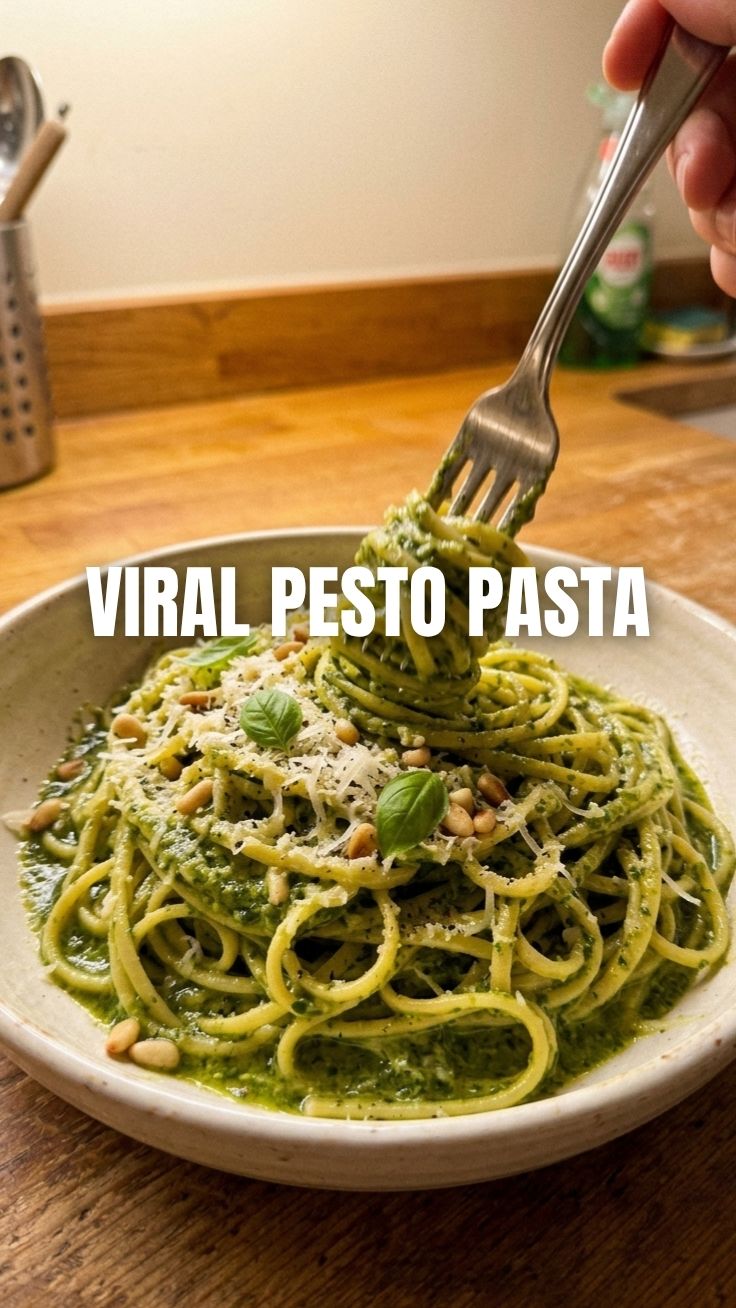
Ever found yourself yearning for a restaurant-quality meal, but with the comfort and freshness of a home-cooked dish? Look no further! Today, we’re diving into the delightful world of Pesto Pasta—a vibrant, aromatic, and incredibly satisfying dish that proves gourmet doesn’t have to mean complicated. Preparing this incredible Pesto Pasta at home isn’t just about saving money; it’s about customizing flavors to your exact preference, knowing every ingredient that goes into your body, and enjoying the sheer pleasure of creating something delicious from scratch. If you’re a fan of quick, flavorful, and versatile pasta recipes, this guide is your culinary compass.
Ingredients & Kitchen Tools
Crafting the perfect pesto pasta requires a handful of fresh ingredients and a few fundamental kitchen tools.
- 12 oz. Pasta of Choice: (e.g., fusilli, penne, spaghetti) – The foundation! Choose shapes that can hold the pesto well.
- 1 cup Fresh Basil Leaves: (packed) – The star of the pesto, providing its signature aroma and flavor.
- 1/2 cup Grated Parmesan Cheese: (or Pecorino Romano) – Adds salty, umami depth. Nutritional yeast can be an alternative for dairy-free.
- 1/2 cup Extra Virgin Olive Oil: – Binds the pesto and adds richness. High-quality oil makes a difference.
- 1/4 cup Pine Nuts: (toasted, optional) – Adds a subtle nutty flavor and texture. Walnuts or almonds can be substitutes.
- 2 cloves Garlic: (minced) – For that essential aromatic kick.
- Salt & Freshly Ground Black Pepper: – To season and enhance all the flavors.
- Cherry Tomatoes: (halved, optional for garnish) – Adds bursts of freshness and color.
- Kitchen Tools:
* Large Pot: For boiling pasta.
* Colander: To drain pasta.
* Food Processor or Blender: Essential for making the pesto.
* Large Mixing Bowl: For combining pasta and pesto.
* Measuring Cups & Spoons: For accurate ingredient quantities.
* Chef’s Knife & Cutting Board: For prepping basil and garlic.
Prep Time & Cooking Schedule
- Prep Time: 15 minutes (mostly for making the pesto)
- Cook Time: 10-12 minutes (for pasta)
- Resting Time: None required. This dish is best enjoyed fresh!
This recipe is designed for efficiency. While your pasta water comes to a boil, you can whip up the vibrant pesto. The entire process from start to finish can be completed in under 30 minutes, making it an ideal choice for busy weeknights or quick, satisfying lunches.
Step-by-Step Instructions
1. Prepare the Pesto: In a food processor, combine basil leaves, toasted pine nuts (if using), minced garlic, and a pinch of salt. Pulse until finely chopped. Gradually stream in the olive oil while the processor is running until a smooth, vibrant green paste forms. Stir in the Parmesan cheese by hand. Taste and adjust seasoning with salt and pepper.
2. Cook the Pasta: Bring a large pot of heavily salted water to a rolling boil. Add your chosen pasta and cook according to package directions until al dente (tender but with a slight bite). This is crucial for excellent Pesto Pasta.
3. Combine: Before draining, reserve about ½ cup of the starchy pasta water. Drain the cooked pasta thoroughly and transfer it back to the large pot or a spacious mixing bowl.
4. Toss and Serve: Add the freshly made pesto to the warm pasta. Toss gently to coat every strand evenly. If the mixture seems too thick or dry, add a tablespoon or two of the reserved pasta water until it reaches your desired consistency. This starchy water helps the pesto cling beautifully. Garnish with halved cherry tomatoes and extra Parmesan. Enjoy your simple yet sophisticated pasta recipes creation!
Nutritional Benefits & Advantages
Pesto pasta, especially when made with fresh ingredients, offers a host of nutritional benefits. Basil is rich in antioxidants and vitamins K and C. Olive oil, a cornerstone of the Mediterranean diet, provides healthy monounsaturated fats. Pine nuts contribute protein, fiber, and vitamin E. While Parmesan adds flavor, it also offers calcium. This dish provides a balanced combination of carbohydrates for energy, healthy fats, and some protein, making it a satisfying and relatively wholesome meal.
Tips, Variations & Cooking Advice
- Nut Alternatives: If you don’t have pine nuts, walnuts or almonds make excellent substitutes for the pesto.
- Greens Power-Up: For an extra nutritional boost, add a handful of spinach or arugula to the food processor with the basil.
- Dairy-Free Option: Omit the Parmesan and add nutritional yeast for a cheesy, umami flavor.
- Protein Boost: Serve with grilled chicken, shrimp, or chickpeas for a more complete meal.
- Roast it Up: Roasting cherry tomatoes or bell peppers before adding them to the pasta can intensify their sweetness and add another layer of flavor.
- Lemon Zest: A squeeze of fresh lemon juice or a pinch of lemon zest in the pesto brightens the flavors beautifully.
Common Mistakes to Avoid
- Overcooking the Pasta: Mushy pasta is a cardinal sin! Always cook until al dente for the best texture.
- Overheating the Pesto: Never cook the pesto. The heat from the warm pasta is enough to gently warm the sauce without “cooking” the fresh basil, which can turn it brown and dull the flavor.
- Too Much Olive Oil: While essential, too much oil can make the pesto greasy. Add it gradually until you reach the desired consistency.
- Not Salting Pasta Water: Pasta water should be as salty as the sea. This seasons the pasta from within and greatly enhances the overall flavor.
Storage & Meal Prep Tips
Leftover pesto pasta can be stored in an airtight container in the refrigerator for up to 3-4 days. To reheat, gently warm in a saucepan over low heat, adding a splash of water or olive oil to loosen the sauce and bring it back to life. Microwaving is an option, but be mindful not to overheat, which can diminish the fresh basil flavor. Pesto itself can be made ahead and stored in the refrigerator for up to a week, or frozen in ice cube trays for longer storage.
Conclusion
There you have it—a comprehensive guide to creating a truly spectacular Pesto Pasta right in your own kitchen. This vibrant and flavorful dish is a testament to the power of fresh ingredients and simple techniques. Whether you’re a seasoned chef or a kitchen novice, mastering this recipe opens up a world of delightful pasta recipes. We encourage you to try this recipe and share your culinary successes! What are your favorite pesto pasta variations? Let us know in the comments below!
FAQs
Q1: Can I make pesto without a food processor?
A1: Yes! A mortar and pestle is the traditional method and yields a wonderfully rustic pesto. It requires more effort but is very rewarding.
Q2: How can I prevent my pesto from turning brown?
A2: Blanching basil briefly before processing helps, but the most important tip is to ensure your pesto is always covered with a thin layer of olive oil when stored. This creates a barrier against oxygen, which causes browning.
Q3: What’s the best type of pasta for pesto?
A3: Short, textured pasta shapes like fusilli, penne, or rotini are excellent as they trap the pesto well. Long strands like spaghetti or linguine are also fantastic.
Q4: Can I use pre-made pesto?
A4: Absolutely! While homemade pesto offers unparalleled freshness, good quality store-bought pesto can be a convenient shortcut for busy days. Just be mindful of the ingredients.