Unlock Authentic Flavor: Your Guide to Crafting the Perfect Homemade Philly Cheesesteak!
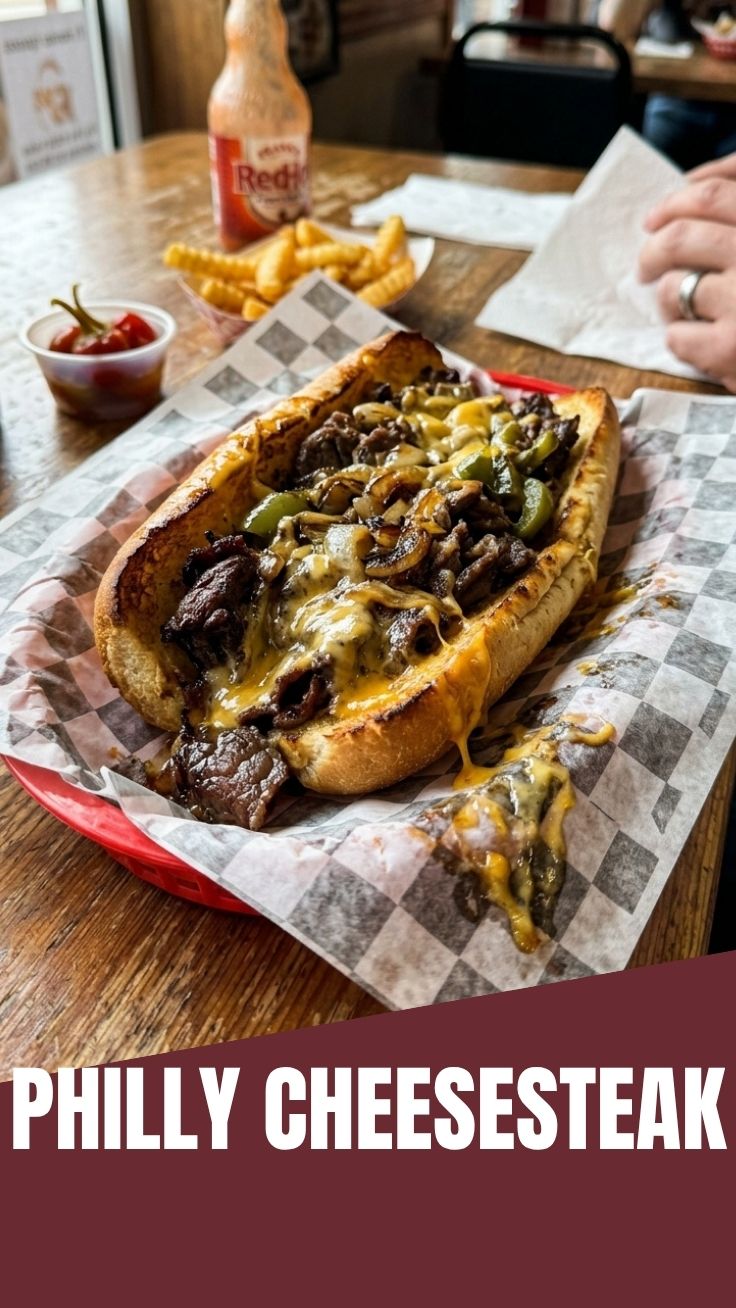
Ever dreamt of biting into a gloriously messy, perfectly seasoned, and utterly satisfying Philly Cheesesteak without leaving your kitchen? Many believe this iconic sandwich is best left to the streets of Philadelphia, but I’m here to tell you that recreating the magic at home is not only possible but incredibly rewarding. Imagine thinly sliced steak, caramelized onions, and melted cheese, all nestled in a soft hoagie roll. This isn’t just a meal; it’s an experience, and mastering the homemade cheesesteak sandwich offers a level of customization and freshness you simply won’t find anywhere else. Let’s dive into how you can elevate your culinary game and bring the essence of brotherly love to your dinner table tonight.
Ingredients & Kitchen Tools
Crafting the perfect Philly Cheesesteak requires a balance of quality ingredients and the right tools.
Ingredients:
- 1 ½ lbs Ribeye Steak: The star of the show. Insist on thinly sliced ribeye for optimal tenderness and flavor. You can ask your butcher to slice it thin or partially freeze it at home for easier slicing.
- 2 Large Yellow Onions: Sweet, caramelized onions are non-negotiable. Yellow onions are ideal for their sweetness when cooked.
- ½ Green Bell Pepper (Optional): Adds a subtle freshness and crunch. Some purists omit this, but it’s a great addition for extra flavor.
- 2-3 Tbsp Vegetable Oil (or Canola Oil): For searing the steak and caramelizing the onions.
- Salt & Freshly Ground Black Pepper: To taste. Simple seasoning allows the steak’s flavor to shine.
- 6 Slices Provolone Cheese (or Cheez Whiz): The classic cheese choices. Provolone offers a milder, meltier experience, while Cheez Whiz provides that signature gooey, tangy kick.
- 6 Hoagie Rolls: The vessel! Look for soft, yet sturdy rolls that can absorb the juices without falling apart. Amoroso rolls are the gold standard if you can find them.
- Optional Toppings: Ketchup, spicy mustard, mushrooms, hot peppers (cherry peppers or jalapeños).
Kitchen Tools:
- Large Skillet or Griddle: Essential for cooking the steak and onions evenly. A cast-iron skillet works wonders for its heat retention.
- Spatula: Preferably a wide, sturdy metal spatula for flipping and chopping the steak.
- Sharp Knife: For thinly slicing the steak and onions.
- Cutting Board: A stable surface for all your prep work.
- Grater (if using block cheese): For shredding provolone if not pre-sliced.
Prep Time & Cooking Schedule
- Prep Time: 20 minutes (includes slicing steak and onions)
- Cook Time: 20-25 minutes
- Resting Time: None – best served immediately!
This recipe is designed for efficiency, making it a perfect weeknight meal. The key is to have all your ingredients prepped and ready to go before you start cooking, as the actual cooking process is quite fast. Focus on thinly slicing the steak; a partially frozen ribeye makes this task much easier, ensuring uniform cooking and tenderness.
Step-by-Step Instructions
1. Prepare the Steak and Onions: If your ribeye isn’t pre-sliced, place it in the freezer for about 30-45 minutes to firm it up slightly, then slice it against the grain as thinly as possible. Slice your onions into thin half-moons. If using, slice your green bell pepper as well.
2. Caramelize the Onions (and Peppers): Heat 1 tablespoon of oil in your large skillet or griddle over medium heat. Add the sliced onions (and bell peppers, if using) and cook, stirring occasionally, for 10-15 minutes until softened and nicely caramelized. Remove from the skillet and set aside.
3. Cook the Steak: Increase the heat to medium-high. Add the remaining 1-2 tablespoons of oil. Once hot, add the thinly sliced ribeye in a single layer. Season generously with salt and pepper. Cook for 1-2 minutes per side until lightly browned. Use your spatula to chop the steak into smaller, bite-sized pieces as it cooks. Avoid overcooking; ribeye cooks quickly and you want it tender.
4. Combine and Add Cheese: Return the caramelized onions (and peppers) to the skillet with the cooked steak. Mix everything together. Divide the mixture into sections on the skillet, roughly the size of your hoagie rolls. Lay the provolone slices over each section of steak and onions. Reduce heat to low, cover the skillet, and allow the cheese to melt for 1-2 minutes until gooey and bubbly. This is where the magic of a Philly Cheesesteak truly comes alive.
5. Assemble the cheesesteak sandwich: While the cheese is melting, lightly toast your hoagie rolls (optional, but highly recommended for texture). Carefully scoop the cheesy steak and onion mixture into the toasted hoagie rolls using your spatula. Serve immediately with your favorite optional toppings.
Nutritional Benefits & Advantages
While a classic Philly Cheesesteak might not be a health food staple, it offers some noteworthy benefits when made at home. Ribeye steak is an excellent source of protein, essential for muscle repair and growth, and provides important B vitamins and iron. Onions offer antioxidants and fiber. By preparing it yourself, you control the quality of ingredients, reducing unnecessary additives found in commercial versions. Using lean ribeye and opting for provolone over highly processed cheese can further enhance its nutritional profile. You can also sneak in extra veggies like mushrooms or spinach for added nutrients.
Tips, Variations & Cooking Advice
- Steak Variations: While ribeye is traditional, flank steak or top sirloin can be used as alternatives, though they may require even thinner slicing and slightly less cooking time to remain tender. Ground beef can also be used for a practical cheesesteak sandwich.
- Cheese Alternatives: Swiss, American, or even a blend of mozzarella and provolone can be used. Each will impart a different flavor and melt characteristic.
- Veggie Boost: Add sliced mushrooms, bell peppers (red or yellow), or even a handful of fresh spinach to the skillet with the onions for extra vitamins and flavor.
- Spice It Up: A pinch of red pepper flakes with the onions or a dash of hot sauce before serving can add a welcome kick.
- Hoagie Roll Hack: If your rolls aren’t as soft as you’d like, a quick steam (wrap in a damp paper towel and microwave for 15-20 seconds) can revive them.
Common Mistakes to Avoid
- Overcrowding the Skillet: This is a big one! Cooking too much steak at once will steam rather than sear it, resulting in gray, tough meat. Work in batches if necessary.
- Overcooking the Steak: Ribeye cooks quickly. Remove it from the heat as soon as it’s lightly browned to retain tenderness.
- Skipping Thin Slicing: Thick slices of steak will be difficult to chew and won’t integrate well into the sandwich.
- Using the Wrong Roll: A flimsy roll will disintegrate. Invest in good quality, sturdy hoagie rolls that can hold up to the juicy filling.
- Not Caramelizing Onions Enough: Properly caramelized onions add a crucial layer of sweetness and depth. Don’t rush this step.
Storage & Meal Prep Tips
While a Philly Cheesesteak is best enjoyed fresh, you can certainly prep components ahead.
- Prepping Ahead: Slice the steak and onions up to a day in advance and store them separately in airtight containers in the refrigerator.
- Storing Leftovers: Store any leftover cooked steak and onion mixture in an airtight container in the refrigerator for up to 2-3 days.
- Reheating: Reheat the mixture gently in a skillet over medium-low heat until warmed through. You can add a splash of water or beef broth to prevent it from drying out. Once heated, add cheese and assemble fresh into a toasted roll. Freezing is not recommended for assembled sandwiches as the rolls will become soggy.
Conclusion
There you have it – your definitive guide to creating a mouthwatering homemade Philly Cheesesteak. From the perfectly seared ribeye to the sweet caramelized onions and gooey melted cheese, every element comes together to form an unforgettable meal. Mastering this classic cheesesteak sandwich at home not only gives you control over the ingredients but also the immense satisfaction of crafting a culinary icon. Don’t be shy – dive in, experiment with your favorite toppings, and share your delicious creations! What’s your go-to cheese for a cheesesteak?
FAQs
Q1: Can I use pre-sliced steak from the grocery store?
A1: Yes, if your grocery store offers thinly sliced steak specifically for cheesesteaks or stir-fries, that works perfectly. Just make sure it’s good quality beef.
Q2: What’s the best way to get really thin slices of ribeye?
A2: Partially freezing the ribeye for 30-45 minutes before slicing is the most effective method, allowing for cleaner, thinner cuts against the grain.
Q3: Is Cheez Whiz authentic for a Philly Cheesesteak?
A3: Absolutely! While some prefer provolone, Cheez Whiz is a highly popular and traditional choice in many Philly establishments, providing a distinct, tangy, and super-creamy texture.
Q4: My cheesesteak always comes out dry. What am I doing wrong?
A4: This usually happens from overcooking the steak or overcrowding the skillet, which steams the meat instead of searing it. Cook in batches if necessary, and remove the steak as soon as it’s lightly browned.
Q5: Can I make this with chicken instead of beef?
A5: Yes, you can! This would be a “Chicken Cheesesteak.” Follow the same steps, using thinly sliced chicken breast or thigh, and adjusting cook times as necessary.