Master the Art of Flavor: Your Guide to Perfect Blackened Chicken
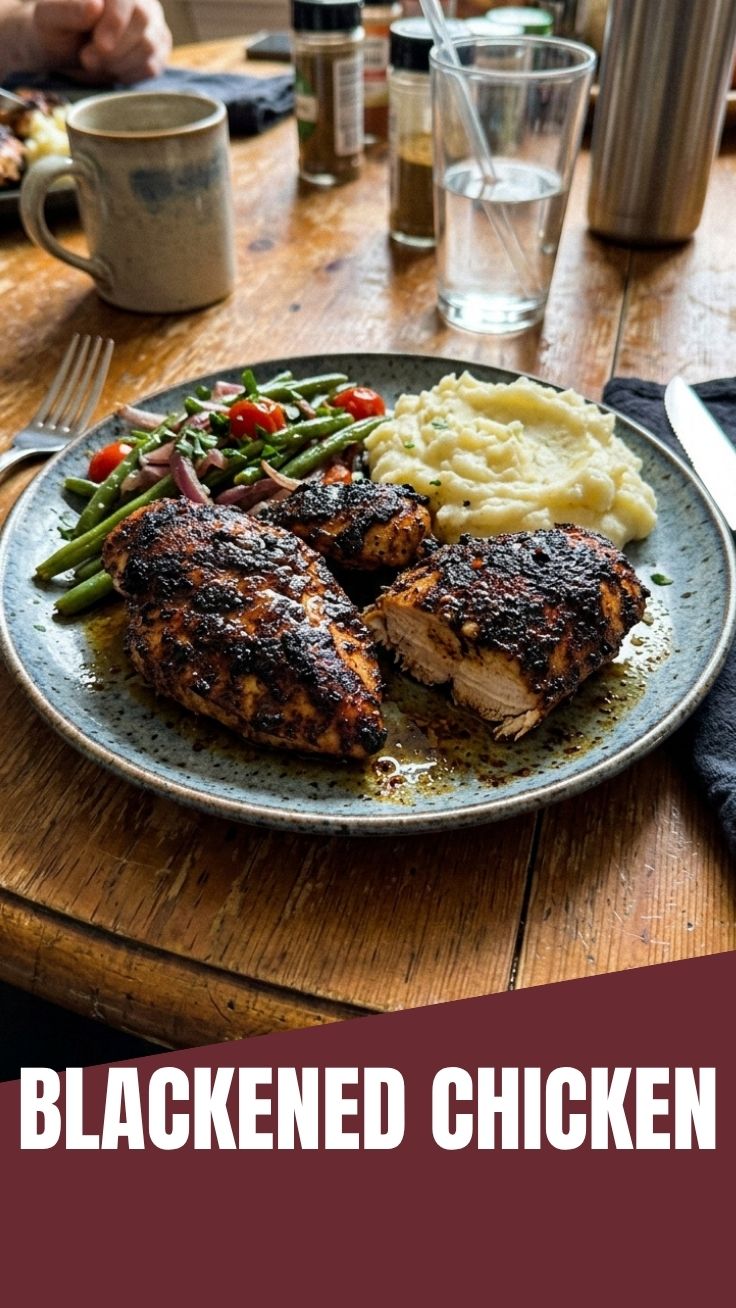
Ever wondered how some home cooks achieve that restaurant-quality, deeply flavorful crust on their chicken, locking in all its juicy tenderness? The secret often lies in a technique that’s surprisingly accessible and utterly delicious. Today, we’re diving into the world of making succulent Blackened Chicken right in your own kitchen. Forget bland dinners; this recipe transforms simple chicken breasts into a culinary masterpiece, boasting a rich, smoky, and slightly spicy exterior with a moist interior. Preparing this at home not only ensures fresh, high-quality ingredients but also allows you to customize the intensity of your Blackened Seasoning, making it perfect for your palate. Get ready to elevate your weeknight meals!
Ingredients & Kitchen Tools
Here’s everything you’ll need to create this flavor-packed dish:
- Boneless, Skinless Chicken Breasts (2-3 large, about 1.5 lbs total): Choose quality chicken, trimmed of any excess fat.
- Butter (4 tbsp, unsalted): Crucial for flavor and creating that signature crust. Clarified butter (ghee) is even better as it boasts a higher smoke point.
- Olive Oil (1 tbsp): Helps to prevent sticking and adds an extra layer of richness.
- Lemon (1/2, optional): For a squeeze of fresh juice at the end, brightening the flavors.
- Fresh Parsley (2 tbsp, chopped, optional): For garnish and a touch of freshness.
For the Blackened Seasoning (Homemade or Store-Bought):
- Smoked Paprika (1 tbsp): Adds depth and a beautiful color.
- Garlic Powder (1 tbsp): Essential aromatic.
- Onion Powder (1 tbsp): Complements the garlic.
- Cayenne Pepper (1-2 tsp): Adjust to your desired spice level.
- Dried Thyme (1 tsp): Earthy and aromatic.
- Dried Oregano (1 tsp): Another classic herb.
- Salt (1 tsp): Enhances all flavors.
- Black Pepper (1 tsp): Freshly ground is always best.
Kitchen Tools:
- Heavy-Bottomed Skillet (Cast Iron recommended): Essential for achieving the best crust and even heat distribution. A 10-12 inch pan works well.
- Meat Mallet or Rolling Pin: For pounding the chicken to an even thickness.
- Shallow Dish or Plate: For dredging the chicken in seasoning.
- Tongs: For easy flipping.
- Instant-Read Thermometer: To ensure the chicken is cooked through to a safe internal temperature (165°F / 74°C).
- Cutting Board & Chef’s Knife: For prep work.
Prep Time & Cooking Schedule
- Prep Time: 15 minutes (includes making the seasoning and pounding chicken)
- Marinating Time: 30 minutes (optional, but highly recommended for deeper flavor)
- Cook Time: 8-12 minutes
- Resting Time: 5 minutes
This dish is perfect for a weeknight meal as it comes together quite quickly. Allow 30 minutes for flavor infusion if you have the time; otherwise, 15 minutes of prep will still yield delicious results.
Step-by-Step Instructions
1. Prepare the Chicken: Pat the chicken breasts dry thoroughly with paper towels. Trim any excess fat. Place each breast between two sheets of plastic wrap and pound evenly to about 1/2 to 3/4 inch thickness. This ensures even cooking.
2. Make the Seasoning: In a shallow dish, combine all the ingredients for the Blackened Seasoning. Mix thoroughly to ensure an even blend.
3. Season the Chicken: Generously coat both sides of each chicken breast with the Blackened Seasoning, pressing gently to adhere the spices. For best results, let the seasoned chicken sit for at least 15-30 minutes at room temperature to allow the flavors to meld.
4. Heat the Skillet: Place your cast iron skillet over high heat. Add the olive oil and butter. Heat until the butter is completely melted, foamy, and just barely starting to smoke. This high heat is crucial for developing the crust.
5. Cook the Blackened Chicken: Carefully place the chicken breasts in the hot skillet, ensuring not to overcrowd the pan (cook in batches if necessary). Cook for 3-5 minutes per side, depending on thickness, until a dark, flavorful crust forms and the internal temperature reaches 165°F (74°C). Adjust heat if the pan gets too hot and the seasoning starts to burn rather than blacken.
6. Rest and Serve: Transfer the cooked chicken to a cutting board and let it rest for 5 minutes. This allows the juices to redistribute, keeping the chicken moist. Slice, if desired, and garnish with fresh parsley and a squeeze of lemon juice.
Nutritional Benefits & Advantages
Blackened Chicken is an excellent source of lean protein, essential for muscle repair and growth. The spices used in the Blackened Seasoning like paprika and cayenne pepper, are known for their anti-inflammatory and antioxidant properties, potentially boosting metabolism and improving heart health. By cooking at home, you control the amount of sodium and fat, making it a healthier alternative to restaurant versions often laden with excessive oils.
Tips, Variations & Cooking Advice
- Spice Level: Adjust the cayenne pepper in your Blackened Seasoning to your personal preference. For more heat, add extra; for less, reduce or omit.
- Other Proteins: This blackening technique works wonderfully with other proteins like fish (e.g., salmon, cod), shrimp, or even steak. Adjust cooking times accordingly.
- Alternative Fats: While butter is traditional, you can use ghee or a high-smoke point oil like avocado oil for a dairy-free option.
- Serving Suggestions: Serve with a fresh salad, roasted vegetables, rice pilaf, or even on tacos or sandwiches.
- Crowding the Pan: Avoid overcrowding your skillet, as this will lower the temperature and steam the chicken instead of blackening it, preventing that coveted crust. Cook in batches if necessary.
Common Mistakes to Avoid
- Not Drying the Chicken: Excess moisture prevents the chicken from blackening properly, resulting in a steamed rather than crispy exterior.
- Insufficient Heat: The skillet must be scorching hot to achieve the blackening effect. Don’t be afraid of a little smoke!
- Overcooking: Chicken breasts can dry out quickly. Use an instant-read thermometer to ensure it reaches 165°F (74°C) and then remove it promptly from the heat.
- Skipping the Rest: Resting allows the juices to redistribute, keeping your Blackened Chicken moist and tender.
Storage & Meal Prep Tips
Leftover Blackened Chicken can be stored in an airtight container in the refrigerator for up to 3-4 days. It’s excellent for meal prep; slice it and add it to salads, wraps, or grain bowls for quick and flavorful lunches. Reheat gently in a lightly oiled pan over medium heat, or in the microwave, being careful not to overcook and dry it out. For longer storage, freeze cooked and cooled chicken breasts in a freezer-safe bag or container for up to 2-3 months. Thaw in the refrigerator overnight before reheating.
Conclusion
Mastering Blackened Chicken at home is a culinary game-changer. With this detailed guide, you’re now equipped to create a dish that’s bursting with flavor, surprisingly quick to prepare, and incredibly versatile. By carefully blending your Blackened Seasoning and following the correct high-heat technique, you’ll achieve that perfect crispy, savory crust every time. Don’t hesitate—give this recipe a try this week! Share your culinary creations and favorite pairings in the comments below. We can’t wait to hear how yours turns out!
—
FAQs
Q1: Can I make this with chicken thighs instead of breasts?
A1: Absolutely! Chicken thighs are an excellent choice for blackening as their higher fat content keeps them incredibly moist. Adjust cooking time slightly, as thighs may take a minute or two longer per side.
Q2: My skillet is smoking too much. What should I do?
A2: A little smoke is expected for blackening, but if it’s excessive, your heat might be too high. Reduce the heat slightly and ensure your kitchen is well-ventilated. Using clarified butter (ghee) can also help as it has a higher smoke point than regular butter.
Q3: What’s the best way to get a really good crust?
A3: Ensure your chicken is patted completely dry, your skillet is screaming hot (but not burning), and you don’t overcrowd the pan. A cast-iron skillet is highly recommended for its superior heat retention.
Q4: Can I prepare the chicken ahead of time?
A4: Yes, you can season the chicken up to 24 hours in advance and keep it refrigerated. This allows the flavors to truly penetrate the meat. Just bring it to room temperature for about 15-20 minutes before cooking.
Q5: What if I don’t have all the spices for the homemade seasoning?
A5: You can certainly use a good quality store-bought blackened seasoning blend. Just check the ingredients list for unnecessary additives and adjust salt to taste, as store-bought blends can vary in sodium content.