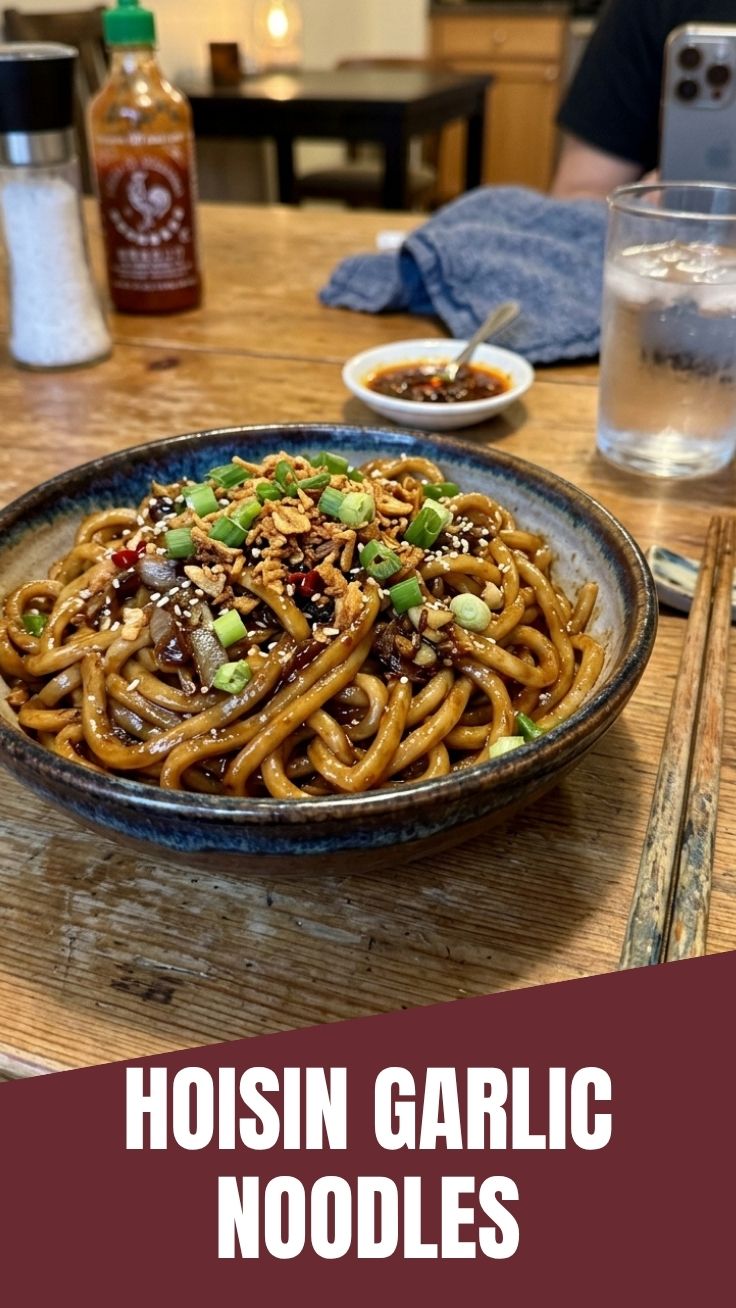
Elevate Weeknight Dinners with Irresistible Hoisin Garlic Noodles
Are you tired of the same old dinner routine, yearning for a dish that’s both bursting with flavor and surprisingly easy to whip up? What if I told you that a culinary masterpiece with a perfect balance of savory, sweet, and umami notes is just minutes away? Prepare to unlock the secrets to creating incredible Hoisin Garlic Noodles right in your own kitchen. This post isn’t just about a recipe; it’s about transforming your weeknight meals into an exciting culinary adventure. Beyond the delicious taste, preparing this dish at home offers unparalleled control over ingredients, ensuring fresh, wholesome goodness while saving you a trip to a takeout restaurant. This beloved dish, a staple in many asian noodle recipes, promises a delightful experience for your taste buds and a satisfying finish to any busy day.
Ingredients & Kitchen Tools
To embark on this delicious journey, gather the following:
Noodles:
1 lb fresh or dried egg noodles: Asian-style, often labeled “chow mein noodles” or similar. Fresh noodles cook faster.*
Water: For boiling the noodles.*
Sauce:
3 tbsp Hoisin Sauce: Sweet and savory Chinese barbecue sauce, essential for its unique flavor.*
2-3 cloves garlic, minced: Freshly minced for the best aroma and punch.*
1 tbsp soy sauce (or tamari for gluten-free): Adds fundamental umami and saltiness.*
1 tbsp oyster sauce (optional): Enhances depth and richness; can be omitted or substituted with more soy sauce for vegetarian.*
1 tsp rice vinegar: Adds a subtle tang to balance the sweetness.*
1 tsp sesame oil: Toasted sesame oil provides a distinct nutty aroma.*
1/2 tsp sugar (or maple syrup): Balances flavors and enhances sweetness.*
Pinch of white pepper: For a mild, aromatic warmth.*
Additions & Garnish (Optional):
1 tbsp vegetable oil (or preferred cooking oil): For stir-frying.*
1/2 cup chopped green onions (scallions): For freshness and garnish.*
1 tbsp toasted sesame seeds: For garnish and added texture.*
Your choice of protein: Cooked chicken, shrimp, tofu, or thinly sliced beef – optional, for a more substantial meal.*
Kitchen Tools:
Large pot: For boiling noodles.*
Large skillet or wok: For stir-frying.*
Whisk: For mixing the sauce.*
Measuring spoons and cups: For precise ingredient measurements.*
Garlic press or knife: For mincing garlic.*
Tongs/spatula: For tossing and serving.*
Prep Time & Cooking Schedule

This recipe is a lifesaver for busy evenings!
- Prep time: 10 minutes (This includes mincing garlic, chopping green onions, and whisking the sauce.)
- Cook time: 10-15 minutes (Actual cooking of noodles and sauce comes together very quickly.)
- Total time: Approximately 20-25 minutes.
This speedy schedule makes it perfect for a weeknight dinner when you want something flavorful without spending hours in the kitchen. If you’re adding an optional protein, factor in an additional 10-15 minutes to cook that beforehand.
Step-by-Step Instructions
Follow these simple steps for a truly delicious experience:
1. Prepare the Noodles: Bring a large pot of salted water to a rolling boil. Add your egg noodles and cook according to package directions until al dente. This usually takes 3-5 minutes for fresh noodles or 6-8 minutes for dried. Drain thoroughly and rinse with cold water to prevent sticking, then set aside.
2. Whisk the Sauce: In a small bowl, combine the Hoisin sauce, minced garlic, soy sauce, oyster sauce (if using), rice vinegar, sesame oil, sugar, and white pepper. Whisk until well combined and smooth. This becomes the incredible backbone of your Hoisin Garlic Noodles.
3. Stir-Fry (Optional Protein First): Heat the vegetable oil in a large skillet or wok over medium-high heat. If adding protein, cook it now until it’s nearly done, then remove it from the pan and set aside.
4. Combine & Toss: Add the cooked, drained noodles to the hot skillet. Pour the prepared sauce over the noodles. Using tongs or a spatula, toss continuously for 2-3 minutes, ensuring every strand of noodle is evenly coated with the rich, aromatic sauce. The heat will help the sauce cling beautifully to the noodles. This technique is key for many delectable asian noodle recipes.
5. Additions & Serve: If you cooked protein earlier, return it to the pan and toss with the noodles to heat through. Stir in half of the chopped green onions.
6. Garnish and Enjoy: Transfer the noodles to serving plates. Garnish with the remaining green onions and a sprinkle of toasted sesame seeds. Serve immediately!
Nutritional Benefits & Advantages
These Hoisin Garlic Noodles aren’t just tasty; they offer several benefits:
- Customizable: Easily incorporate a variety of vegetables (broccoli, bell peppers, carrots, snap peas) to boost vitamin and fiber content.
- Protein-Packed (Optional): Adding lean protein like chicken breast or tofu makes this a complete, satisfying meal, aiding muscle repair and satiety.
- Energy-Boosting: Noodles provide complex carbohydrates, offering sustained energy for your day.
- Garlic Benefits: Garlic is known for its immune-boosting and anti-inflammatory properties.
- Quick & Fresh: Preparing at home means fresh ingredients and control over sodium and sugar levels, often lower than takeout versions.
Tips, Variations & Cooking Advice
- Spice It Up: Add a dash of sriracha or red pepper flakes to the sauce for a spicy kick.
- Vegetable Power: Incorporate thinly sliced bell peppers, shredded carrots, broccoli florets, or snap peas during the stir-frying stage for added nutrients and crunch.
- Gluten-Free: Use tamari instead of soy sauce and ensure your Hoisin sauce is certified gluten-free. Rice noodles can also be a gluten-free alternative if egg noodles are a concern.
- Vegan Option: Omit oyster sauce (or use a vegan oyster sauce substitute) and ensure noodles are egg-free. Add pan-fried tofu or tempeh for protein.
- Less Salt: Reduce the amount of soy sauce and rely more on the Hoisin for flavor, which already contains salt.
- Nutty Flavor: A tablespoon of chopped peanuts or cashews adds a wonderful crunch and nutty dimension.
Common Mistakes to Avoid
- Overcooking Noodles: Mushy noodles are a no-go. Cook until just al dente, as they’ll continue to cook slightly when tossed with the hot sauce.
- Not Stir-Frying on High Heat: For that authentic stir-fry char and quick cooking, ensure your pan or wok is hot.
- Skimping on Garlic: Fresh garlic is crucial here; garlic powder won’t deliver the same vibrant flavor.
- Not Draining Noodles Properly: Excess water will dilute your delicious sauce. Drain thoroughly or even pat dry slightly.
- Overcrowding the Pan: If adding lots of protein or vegetables, cook in batches to ensure proper browning rather than steaming.
Storage & Meal Prep Tips
- Refrigeration: Leftover Hoisin Garlic Noodles can be stored in an airtight container in the refrigerator for up to 3-4 days.
- Freezing: Freezing is not recommended for this dish as the noodles tend to become mushy upon thawing and reheating.
- Reheating: Reheat gently in a microwave or on the stovetop over medium heat, adding a splash of water or broth to prevent dryness. Overheating can make the noodles rubbery.
- Meal Prep Strategy: For meal prep, prepare the sauce in advance and store it in the fridge. Cook the noodles and any protein/vegetables separately, then combine and toss with the sauce just before serving or once ready to eat for the freshest taste.
Conclusion
Whipping up a batch of homemade Hoisin Garlic Noodles is a truly rewarding experience, transforming simple ingredients into a dish bursting with complex, satisfying flavors. It’s proof that you don’t need a fancy restaurant to enjoy truly exceptional asian noodle recipes. This recipe offers speed, flavor, and the flexibility to customize it to your heart’s content. Give it a try tonight and discover your new favorite weeknight dinner! Don’t forget to share your creations and tell us how you made it your own in the comments below.
FAQs
Q1: Can I make this Pao Hoisin Garlic Noodles recipe vegetarian?
A1: Absolutely! Replace oyster sauce with a vegetarian oyster sauce or a little extra soy sauce, and ensure your noodles are egg-free. Tofu, tempeh, or mushrooms make excellent protein alternatives.
Q2: What kind of noodles are best for this recipe?
A2: Chinese egg noodles (often labeled chow mein noodles, lo mein noodles, or stir-fry noodles) work wonderfully due to their texture and ability to absorb the sauce. You can use fresh or dried varieties.
Q3: How can I make the sauce spicier?
A3: To add heat, incorporate sriracha, chili garlic sauce, or a pinch of red pepper flakes directly into the sauce mixture, adjusting to your preferred level of spiciness.
Q4: Can I prepare this dish ahead of time for meal prep?
A4: You can prep individual components like the sauce and any cooked protein/vegetables in advance. For the best texture, it’s recommended to cook the noodles and combine them with the sauce fresh, just before serving.
Q5: My noodles are sticking together. What did I do wrong?
A5: This often happens if the noodles aren’t rinsed with cold water after draining (which stops the cooking process and removes excess starch) or if they sit for too long before being tossed with the sauce. Ensuring they are well-drained and immediately mixed with oil or sauce helps prevent sticking.