Master the Art of Homemade Chicken Alfredo: Your Ultimate Guide
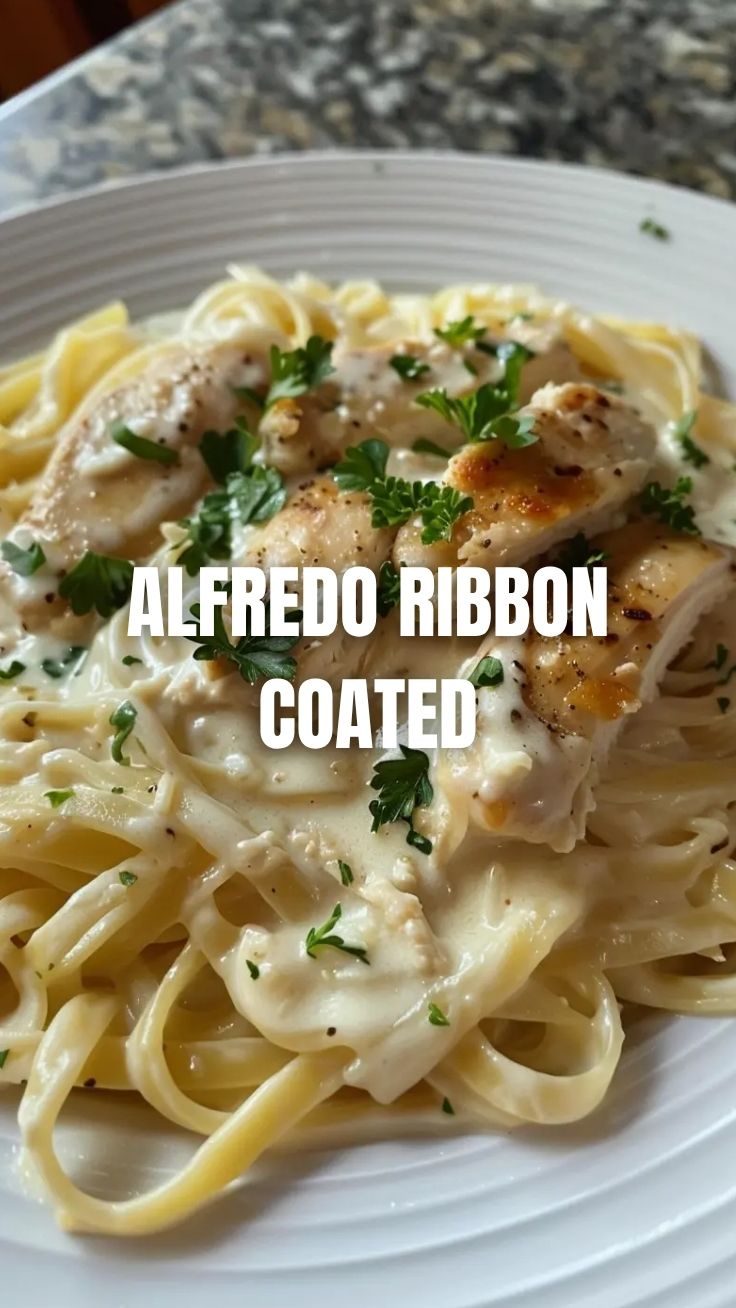
Ever wonder if that rich, creamy restaurant-quality Chicken Alfredo you adore could actually be recreated in your very own kitchen? The answer is a resounding yes! This classic Italian-American dish, with its luscious sauce, tender chicken, and perfectly cooked pasta, is a staple for a reason. While often seen as a splurge, mastering homemade chicken alfredo pasta isn’t just about saving money; it’s about controlling ingredients, customizing flavors, and experiencing the unparalleled satisfaction of serving a truly comforting meal from scratch. Get ready to elevate your culinary skills and delight your taste buds with our comprehensive guide to crafting the ultimate Homemade Chicken Alfredo.
Ingredients & Kitchen Tools
To embark on your delectable journey, gather these essential items:
1 lb Fettuccine Pasta: The classic choice for Alfredo, its broad, flat surface holds the creamy sauce beautifully. Substitution: Linguine or even penne can work in a pinch.*
2 Boneless, Skinless Chicken Breasts (approx. 1.5 lbs total): Lean protein, easily sliced or diced. Substitution: Chicken thighs for a richer flavor and moister texture.*
½ cup Unsalted Butter (1 stick): The foundation of a rich Alfredo sauce. Clarification: Unsalted allows you to control the sodium levels.*
2 cups Heavy Cream: Essential for that velvety, indulgent texture. Clarification: Full-fat is crucial; avoid lighter creams unless specified for dietary reasons.*
1 cup Grated Parmesan Cheese: Use freshly grated for superior flavor and meltability. Clarification: Pre-grated often contains anti-caking agents that can make the sauce grainy.*
2-3 cloves Garlic, minced: Adds aromatic depth. Substitution: ½ tsp garlic powder if fresh isn’t available.*
- ½ tsp Salt: To taste, enhances all other flavors.
- ¼ tsp Black Pepper: Freshly ground preferred for best flavor.
- Fresh Parsley, chopped (for garnish): Adds a pop of color and fresh herbaceousness.
- Olive Oil: For cooking the chicken.
Kitchen Tools:
- Large Pot: For cooking pasta.
- Large Skillet or Sauté Pan: For cooking chicken and preparing the sauce.
- Whisk: Essential for emulsifying the sauce.
- Tongs: For handling pasta and chicken.
- Meat Thermometer (optional but recommended): For ensuring chicken is cooked to a safe internal temperature.
- Grater: For fresh Parmesan.
Prep Time & Cooking Schedule
- Prep Time: 15 minutes (slicing chicken, mincing garlic, grating cheese)
- Cook Time: 25-30 minutes (cooking chicken, pasta, and sauce)
- Total Time: 40-45 minutes
This recipe is perfect for a weeknight meal when you want something satisfying but don’t have hours to spend in the kitchen. Plan to start your pasta water boiling once the chicken is almost cooked; this helps coordinate the timing for hot, fresh components.
Step-by-Step Instructions
1. Prepare the Chicken: Pat chicken breasts dry and slice them into ½-inch thick cutlets or 1-inch cubes. Season generously with salt and pepper. Heat 1 tbsp olive oil in a large skillet over medium-high heat. Cook chicken for 3-5 minutes per side (or until cooked through, reaching an internal temperature of 165°F / 74°C). Remove chicken from the skillet and set aside.
2. Cook the Pasta: While the chicken cooks, bring a large pot of salted water to a rolling boil. Add the fettuccine and cook according to package directions until al dente (firm to the bite). Reserve about 1 cup of pasta water before draining.
3. Start the Alfredo Sauce: In the same skillet (no need to clean it – the chicken bits add flavor!), melt ½ cup of unsalted butter over medium heat. Add the minced garlic and sauté for 1 minute until fragrant, being careful not to burn it.
4. Create the Creamy Base: Slowly whisk in 2 cups of heavy cream. Bring the mixture to a gentle simmer, stirring constantly. Do not let it boil vigorously. Reduce heat to low.
5. Add the Cheese: Gradually whisk in 1 cup of grated Parmesan cheese, a little at a time, until it’s completely melted and the sauce is smooth and creamy. If the sauce seems too thick, add a splash of the reserved pasta water until it reaches your desired consistency. Season with salt and pepper to taste. Ensure you taste and adjust for that perfect balance, making for a truly spectacular Chicken Alfredo.
6. Combine and Serve: Add the cooked chicken back to the skillet with the sauce. Toss in the drained fettuccine, ensuring every strand is coated in the luxurious sauce. The key to exquisite chicken alfredo pasta is this final gentle toss. Garnish with fresh parsley.
Nutritional Benefits & Advantages
Chicken Alfredo, while indulgent, offers valuable nutrients. Chicken provides lean protein essential for muscle repair and growth. Dairy, in the form of heavy cream and Parmesan, contributes calcium for bone health and B vitamins. Using fresh ingredients means avoiding preservatives and excessive sodium often found in pre-made sauces. Portion control can help enjoy this rich dish as part of a balanced diet.
Tips, Variations & Cooking Advice
- Spice It Up: Add a pinch of red pepper flakes to the sauce for a subtle kick.
- Veggie Boost: Sauté some mushrooms, spinach, or broccoli florets and add them to the sauce with the chicken.
- Herbaceous Upgrade: Incorporate fresh thyme or basil for an added layer of flavor.
- Gluten-Free: Use gluten-free fettuccine. The sauce is naturally gluten-free.
- Dairy-Free (Challenging but doable): Substitute heavy cream with a combination of full-fat coconut milk and cashew cream, and use nutritional yeast and a high-quality vegan Parmesan substitute. The texture will be different but still delicious.
- Cooking the Pasta: Always cook pasta al dente. It continues to cook slightly when tossed with hot sauce.
Common Mistakes to Avoid
- Overcooking the Pasta: Mushy pasta is a no-go. Stick to package directions for al dente.
- Burning the Garlic: Garlic cooks quickly. Keep the heat on medium and watch it closely. Burnt garlic turns bitter.
- Boiling the Cream: High heat can cause cream to separate or curdle. Maintain a gentle simmer for the sauce.
- Using Pre-Grated Parmesan: As mentioned, it can make your sauce grainy. Invest in a block of good Parmesan and grate it yourself.
- Over-Salting: Parmesan cheese is naturally salty, so add salt to the sauce incrementally and taste as you go.
Storage & Meal Prep Tips
Leftover Chicken Alfredo can be stored in an airtight container in the refrigerator for 2-3 days. Reheating can be tricky as the sauce may separate or dry out. To reheat, gently warm in a skillet over low heat, adding a splash of milk or chicken broth and a little extra Parmesan to restore creaminess. Freezing is generally not recommended for cream-based sauces as they tend to separate upon thawing.
Conclusion
There’s immense satisfaction in crafting a truly exceptional meal from scratch, and homemade Chicken Alfredo is no exception. With tender chicken, perfectly cooked pasta, and a luscious, velvety sauce, this dish is a testament to simple ingredients coming together in harmony. By following these detailed instructions and tips, you’re well on your way to becoming an Alfredo aficionado. So, gather your ingredients, fire up your stove, and prepare to impress yourself and your loved ones with this incredible chicken alfredo pasta. We encourage you to try this recipe tonight and share your culinary successes in the comments below!
FAQs
Q1: Can I use milk instead of heavy cream?
A1: While you can, the sauce will be significantly thinner and less rich. Heavy cream is key to the classic Alfredo texture. If you must, use whole milk and whisk in 1-2 tablespoons of cornstarch dissolved in a little cold water to help thicken, but results will vary.
Q2: My sauce is too thick/thin. How do I fix it?
A2: If too thick, gradually whisk in some of the reserved pasta water or a little milk until desired consistency is reached. If too thin, gently simmer the sauce for an extra few minutes to allow it to reduce and thicken, or whisk in a tiny bit more grated Parmesan.
Q3: Can I make the Alfredo sauce ahead of time?
A3: It’s best made fresh, as cream sauces can separate upon reheating. However, you can make it a few hours ahead and gently reheat over low heat, whisking in a splash of cream or milk to restore its consistency.
Q4: What’s the best way to ensure tender chicken?
A4: Don’t overcook it! Cook until just done (165°F / 74°C internal temperature) and slice it against the grain for maximum tenderness. Pounding the chicken breasts to an even thickness before cooking also helps.