Master the Art of Authentic Spaghetti Bolognese: A Journey to Culinary Perfection
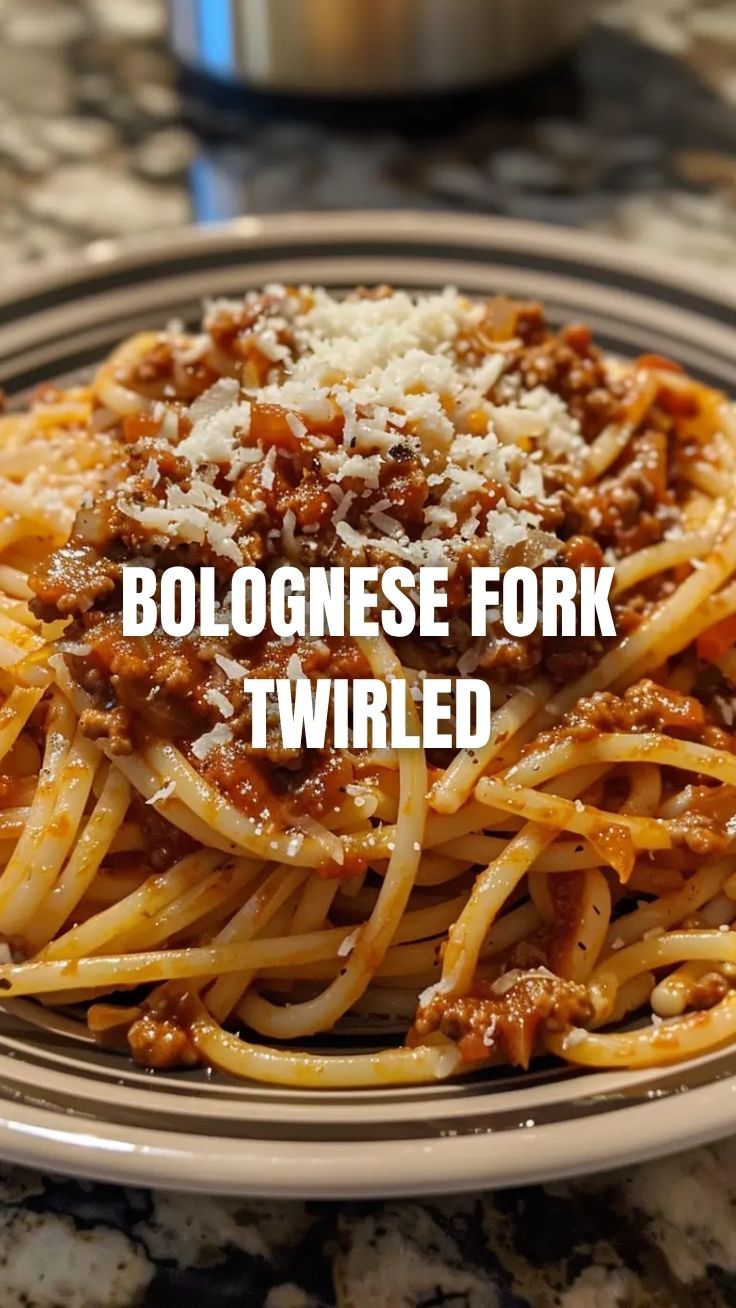
Ever wondered what makes a truly unforgettable Spaghetti Bolognese? It’s more than just meat sauce and pasta; it’s a symphony of flavors, a testament to slow cooking, and a dish that evokes comfort and togetherness. Preparing this classic at home isn’t just about saving money – it’s about control over ingredients, personalizing the taste to your preference, and creating a culinary masterpiece that will impress family and friends. Forget bland, watery imitations; we’re diving deep into crafting a rich, savory, and deeply satisfying sauce that perfectly coats every strand of pasta. And for those who prefer wider noodles, this guide also expertly applies to creating an exquisite Pasta Bolognese, ensuring a truly versatile culinary experience.
Ingredients & Kitchen Tools
- For the Bolognese Sauce:
* 2 tablespoons Olive Oil: Good quality extra virgin for richness.
* 1 large Onion (finely chopped): Adds a sweet, aromatic base.
* 2 Carrots (finely chopped): Essential for natural sweetness and depth.
* 2 Celery Stalks (finely chopped): Provides a subtle, earthy flavor.
* 500g (1 lb) Ground Beef (80/20 lean): The ideal fat content for flavor and moisture.
* 150g (5 oz) Pancetta or Smoked Bacon (diced): Adds a smoky, salty kick (optional but highly recommended).
* 2-3 Cloves Garlic (minced): Pungent aromatics to enhance the savory profile.
* 150ml (⅔ cup) Dry Red Wine (e.g., Merlot, Sangiovese): Deglazes the pan and deepens complexity.
* 400g (14 oz) Canned Crushed Tomatoes: The robust backbone of the sauce.
* 250ml (1 cup) Beef Broth: For simmering and rich liquid.
* 100ml (⅓ cup) Milk (whole milk preferred): Tenderizes the meat and mellows acidity.
* 2-3 Bay Leaves: Earthy, aromatic depth.
* Pinch of Nutmeg (freshly grated): A secret ingredient for authentic flavor.
* Salt and Freshly Ground Black Pepper: To taste, essential for balancing flavors.
- For the Spaghetti/Pasta:
* 400g (14 oz) Spaghetti or your preferred pasta (e.g., tagliatelle, fettuccine): Choose high-quality durum wheat pasta.
- For Serving:
* Freshly Grated Parmesan Cheese: Indispensable for a salty, umami finish.
* Fresh Basil or Parsley (chopped): For garnish and fresh aroma.
- Kitchen Tools:
* Large, Heavy-Bottomed Pot or Dutch Oven: Essential for even heat distribution during slow simmering.
* Wooden Spoon or Spatula: For stirring and scraping.
* Cutting Board and Sharp Knife: For precise vegetable prep.
* Grater: For Parmesan and nutmeg.
* Large Pot for Boiling Pasta: With a lid.
* Colander: For draining pasta.
Prep Time & Cooking Schedule
- Prep Time: 25-30 minutes (mostly chopping vegetables)
- Cook Time: 2.5 – 3 hours (simmering is key for flavor development)
- Resting Time (Optional): 15-30 minutes after cooking allows flavors to meld further.
This recipe takes time, so it’s perfect for a weekend project or meal prepping. The long simmer is non-negotiable for achieving that rich, complex flavor. Don’t rush it!
Step-by-Step Instructions
1. Soffritto Foundation: In a large, heavy-bottomed pot or Dutch oven, heat the olive oil over medium heat. Add the diced pancetta (if using) and cook until crispy, then remove with a slotted spoon and set aside. Add the chopped onion, carrots, and celery (the “soffritto”) to the remaining fat in the pot. Sauté gently over medium-low heat for 10-15 minutes, or until the vegetables are very soft and translucent, but not browned. This slow cooking is crucial for building a flavorful base.
2. Brown the Meat: Increase the heat to medium-high. Add the ground beef to the pot, breaking it up with a wooden spoon. Cook, stirring occasionally, until deeply browned on all sides. This browning develops rich, complex flavors (Maillard reaction). Drain off any excess fat. Stir in the minced garlic and cook for another minute until fragrant.
3. Deglaze and Simmer: Pour in the red wine, scraping up any browned bits from the bottom of the pot. Let it simmer until almost completely evaporated, about 5-7 minutes. This concentrates the wine’s flavor. Next, add the crushed tomatoes, beef broth, milk, bay leaves, and a pinch of freshly grated nutmeg. Season generously with salt and black pepper.
4. Slow Cook to Perfection: Bring the sauce to a gentle simmer, then reduce the heat to very low, cover, and cook for at least 2 to 3 hours, stirring occasionally. The longer it simmers, the more the flavors will meld and deepen, resulting in a truly authentic Spaghetti Bolognese. Add a little more broth or water if the sauce becomes too thick.
5. Pasta Prep & Serve: About 10-15 minutes before the sauce is ready, cook your spaghetti or preferred pasta according to package directions in a large pot of salted boiling water until al dente. Drain the pasta, reserving about ½ cup of the starchy pasta water. Stir a ladleful of the Bolognese sauce into the drained pasta, along with a splash of the reserved pasta water if needed to help the sauce cling. Continue to stir until evenly coated. This method ensures every bite of your Pasta Bolognese is thoroughly infused with flavor.
6. Garnish & Enjoy: Serve immediately, topped with extra sauce, a generous helping of freshly grated Parmesan cheese, and fresh basil or parsley.
Nutritional Benefits & Advantages
This hearty Bolognese is more than just delicious; it offers several nutritional benefits. The ground beef provides a good source of protein, iron, and B vitamins, essential for energy and muscle function. The “soffritto” vegetables (onion, carrot, celery) contribute fiber, vitamins, and antioxidants. Tomatoes are rich in lycopene, a powerful antioxidant. By making it at home, you control the fat and sodium content, opting for leaner meat and less added salt if desired, making it a wholesome and satisfying meal.
Tips, Variations & Cooking Advice
- Flavor Boost: For an even richer sauce, add a splash of balsamic vinegar or a teaspoon of anchovy paste (it melts away, adding umami without a fishy taste).
- Meat Blend: Experiment with a mix of ground beef, pork, and even veal for a truly traditional Italian “ragù” flavor profile.
- Dairy-Free: Skip the milk for a dairy-free version. The sauce will still be delicious.
- Vegetarian Option: Use lentils or a mix of finely chopped mushrooms and walnuts in place of the meat for a robust vegetarian Bolognese.
- Slow Cooker Method: After browning the meat and deglazing, transfer everything to a slow cooker and cook on low for 6-8 hours or on high for 3-4 hours.
Common Mistakes to Avoid
- Not Browning the Meat Enough: This is a crucial step for flavor development. Don’t rush it!
- Skipping the Soffritto: These aromatic vegetables form the flavor backbone; cook them slowly until very soft.
- Cutting the Simmering Time: The best Bolognese is a slow-cooked Bolognese. Patience is rewarded with deep flavor.
- Adding Too Much Liquid: Start with the specified amounts; you can always add more during the long simmer if it looks too dry.
- Overcooking the Pasta: Always cook pasta al dente – firm to the bite. It will continue to cook slightly when combined with the sauce.
Storage & Meal Prep Tips
Bolognese sauce is an excellent candidate for meal prepping as it tastes even better the next day!
- Refrigeration: Store leftover sauce in an airtight container in the refrigerator for up to 3-4 days. Cooked pasta should be stored separately, if possible, or mixed with a little sauce to prevent sticking.
- Freezing: The sauce freezes beautifully. Allow it to cool completely, then transfer to freezer-safe containers or bags. It will keep in the freezer for up to 3 months. Thaw overnight in the refrigerator before reheating.
- Reheating: Gently reheat the sauce on the stovetop over low heat, adding a splash of broth or water if needed to adjust consistency. Reheat cooked pasta quickly in boiling water or in the microwave.
Conclusion
Crafting an authentic Spaghetti Bolognese at home is a rewarding culinary journey that promises rich flavors and heartwarming comfort. By following these detailed steps, you’ve not only mastered a classic but also gained valuable cooking skills that translate to countless other dishes. The key is patience, quality ingredients, and a willingness to let those flavors deepen over time. Whether you choose traditional spaghetti or opt for a hearty Pasta Bolognese, the result will be a deeply satisfying meal that tastes like it came straight from an Italian Nonna’s kitchen. We encourage you to try this recipe and share your delicious results! What’s your secret ingredient for the perfect Bolognese?
FAQs
Q1: Can I use ground turkey or chicken instead of beef?
A1: Yes, you can. While beef provides a richer traditional flavor, a mix of ground turkey and pork can also create a delicious and lighter version. Adjust cooking time slightly as poultry cooks faster.
Q2: What’s the best type of red wine for Bolognese?
A2: A dry red wine like Merlot or Sangiovese works wonderfully. Avoid sweet wines. If you prefer not to use alcohol, you can substitute with more beef broth and a splash of red wine vinegar for acidity.
Q3: My sauce is too thin/too thick. How can I fix it?
A3: If too thin, remove the lid and let it simmer longer, allowing more liquid to evaporate. If too thick, stir in a little more beef broth or water until it reaches your desired consistency.
Q4: Can I make this in advance?
A4: Absolutely! Bolognese sauce is an excellent make-ahead meal. In fact, many believe it tastes even better the next day after the flavors have had more time to meld. Store it in the refrigerator for up to 3-4 days.
Q5: What’s the purpose of adding milk to the Bolognese?
A5: Adding milk is a traditional Italian technique. It helps tenderize the meat, mellows the acidity of the tomatoes, and contributes to the sauce’s overall creamy texture and delicate flavor.