Unveiling the Magic of French Onion Soup: A Culinary Journey from Your Kitchen
Ever wondered how to capture that elusive, rich, and deeply comforting flavor of classic bistro fare right in your own home? Look no further than the timeless delight of French Onion Soup. This iconic dish, with its caramelized onions, savory broth, and bubbling crown of Gruyère cheese, might seem intimidating, but with our detailed guide, you’ll master it in no time. Preparing this exquisite soup at home isn’t just about saving money; it’s about crafting an experience, infusing your kitchen with incredible aromas, and savoring every spoonful of a dish made with love and precision. We’re about to embark on a culinary journey that transforms simple ingredients into a masterpiece, focusing on the nuanced flavors that make this French Onion Soup a true classic.
Ingredients & Kitchen Tools
Here’s what you’ll need to bring this culinary marvel to life, along with some helpful clarifications:
- Large Yellow Onions (5-6 medium): The heart and soul of the soup. Yellow onions caramelize beautifully, developing deep, sweet flavors.
- Unsalted Butter (4 tbsp): Essential for slow-cooking and caramelizing the onions without adding too much sodium.
- Olive Oil (2 tbsp): Helps prevent the butter from burning and adds a subtle fruity note.
- Garlic (3 cloves, minced): Aromatic base that complements the sweetness of the onions.
- Dry White Wine (1 cup, e.g., Sauvignon Blanc or Pinot Grigio): Deglazes the pan and adds acidity, enhancing the overall flavor profile. Avoid sweet wines.
- Beef Broth (6-8 cups, high-quality): The backbone of the soup. Use a good quality, low-sodium broth for best results. Vegetable broth can be substituted for a vegetarian version.
- Fresh Thyme (4-5 sprigs): Adds an earthy, aromatic depth. Dried thyme (1 tsp) can be used as a substitute.
- Bay Leaves (2): Contributes a subtle, herbaceous aroma.
- Salt & Freshly Ground Black Pepper (to taste): Seasoning is crucial for balancing flavors.
- Baguette (1, day-old): Sliced into 1-inch thick rounds for the classic crouton. Day-old bread toasts better.
- Gruyère cheese (8 oz, shredded): The quintessential topping, known for its nutty flavor and excellent melting properties. Emmental or Provolone can be used as alternatives.
- Cognac or Brandy (2 tbsp, optional): Added at the end for an extra layer of complexity and warmth.
Kitchen Tools:
- Large Heavy-Bottomed Pot or Dutch Oven: Crucial for even heat distribution during caramelization.
- Sharp Knife: For thinly slicing onions.
- Cutting Board: A stable surface for prep.
- Wooden Spoon or Spatula: For stirring.
- Ladle: For serving.
- Oven-Safe Crocks or Bowls: Traditional vessels for baking and serving.
- Baking Sheet: For toasting baguette slices.
- Grater: For shredding cheese.
Prep Time & Cooking Schedule
- Prep Time: 20 minutes (mostly slicing onions)
- Active Cook Time: 1 hour 30 minutes (mostly caramelizing onions and simmering)
- Baking Time: 10-15 minutes (to melt and brown the cheese)
- Total Time: Approximately 2 hours
This recipe requires patience, especially during the onion caramelization phase. Don’t rush it! The low and slow cooking is what develops the incredible depth of flavor. You can prepare the soup base (up to the simmering stage) a day in advance, refrigerate it, and then reheat and finish with the bread and cheese just before serving. This makes it an excellent option for entertaining.
Step-by-Step Instructions
1. Prepare the Onions: Thinly slice all the onions. This uniform slicing is key for even caramelization.
2. Caramelize Onions (The Long Haul): In your large Dutch oven, melt butter and olive oil over medium-low heat. Add the sliced onions, a pinch of salt, and pepper. Cook slowly, stirring frequently for 45-60 minutes, until the onions are deeply golden brown and very soft. This is where the magic happens; don’t rush this step. They should shrink significantly and have a jam-like consistency.
3. Deglaze with Garlic & Wine: Add minced garlic to the caramelized onions and cook for 1 minute until fragrant. Pour in the dry white wine, scraping up any browned bits from the bottom of the pot. Let it simmer for 5-7 minutes, reducing by half. This step adds crucial depth and acidity to the French Onion Soup.
4. Add Broth & Aromatics: Stir in the beef broth, fresh thyme sprigs, and bay leaves. Bring to a gentle simmer, then reduce heat to low, cover, and cook for at least 30 minutes (or longer for more flavor development). Season with additional salt and pepper to taste. Remove thyme sprigs and bay leaves before serving.
5. Prepare Croutons: While the soup simmers, preheat your oven to 375°F (190°C). Arrange baguette slices on a baking sheet and toast for 8-10 minutes, or until lightly golden and crisp.
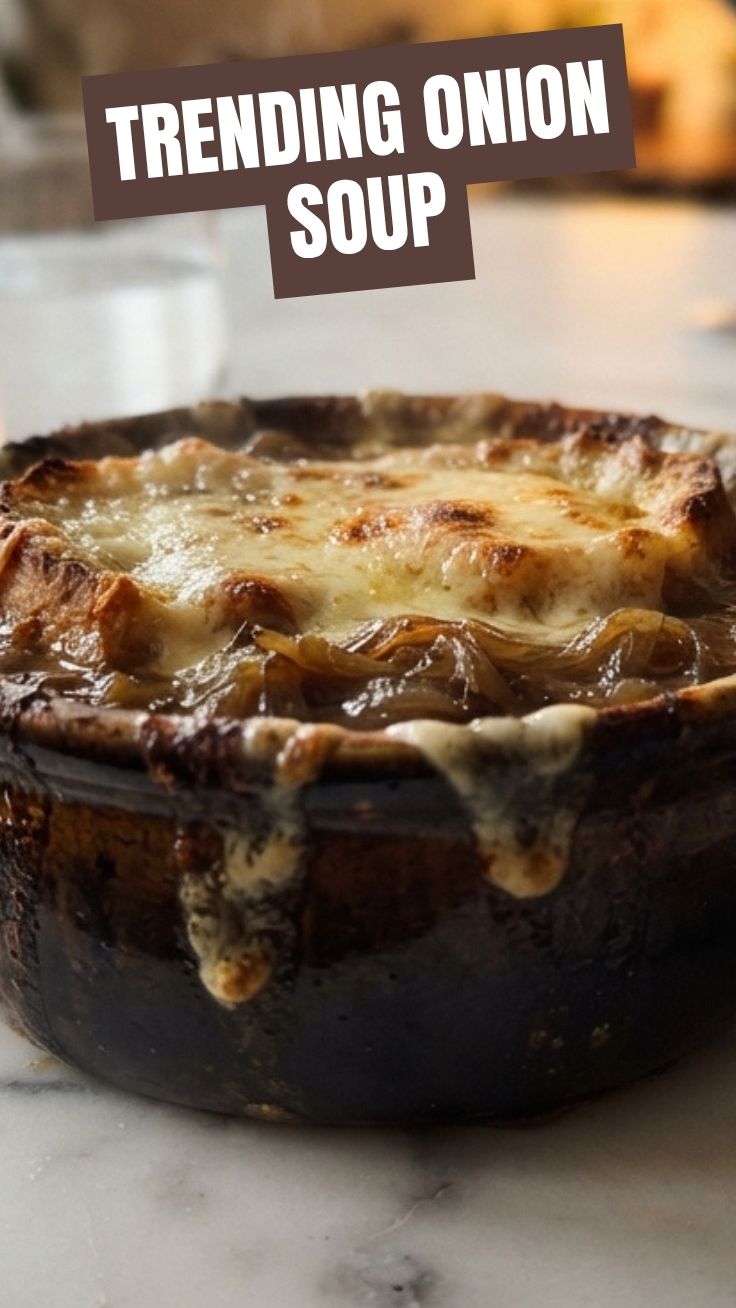
6. Assemble & Bake: Ladle the hot soup into oven-safe crocks or bowls. Float 1-2 toasted baguette slices on top of each bowl. Generously cover the baguette with shredded Gruyère cheese.
7. Broil to Perfection: Place the bowls on a baking sheet (to catch any spills) and transfer them to the preheated oven or under the broiler. Bake or broil for 5-10 minutes, or until the cheese is bubbly, melted, and golden brown. Watch carefully to prevent burning.
8. Serve: Carefully remove from the oven and let stand for a minute or two. Optionally, stir in a dash of cognac or brandy before serving for an extra layer of aroma. Serve immediately.
Nutritional Benefits & Advantages
French Onion Soup, while indulgent, offers several nutritional benefits. Onions are rich in antioxidants and prebiotics, which support gut health. Beef broth, especially homemade, can be a good source of collagen and amino acids, beneficial for joint and skin health. While Gruyère cheese adds calories and fat, it also provides significant calcium and protein. This soup is a hearty, warming dish that can be surprisingly satisfying without being overly heavy, especially if portion sizes are managed.
Tips Variations & Cooking Advice
- Onion Thickness: Uniformly thin slices are essential for even caramelization.
- Patience is Key: The longer you caramelize the onions, the deeper and sweeter your soup will be. Don’t rush this step!
- Broth Quality: Use the best quality beef broth you can find. It makes a significant difference.
- Vegetarian Option: Substitute vegetable broth for beef broth and use a vegetarian-friendly cheese (like a plant-based mozzarella) or omit the cheese.
- Gluten-Free: Use gluten-free bread for the croutons.
- Cheese Alternatives: While Gruyère is classic, Emmental, Comté, or even Provolone can be used. For a sharper flavor, a sprinkle of Parmesan on top is also delicious.
- Flavor Boost: A splash of balsamic vinegar or a spoonful of brown sugar can be added to the onions during caramelization for extra depth.
Common Mistakes to Avoid
- Rushing Caramelization: This is the most common mistake. Onions need low heat and time to develop their sweetness. High heat will burn them, leading to a bitter taste.
- Not Enough Seasoning: Taste as you go! Broths vary in sodium content, so adjust salt and pepper accordingly.
- Skimping on Cheese: The cheesy gratin is a signature of this soup; be generous!
- Over-Broiling: Keep a close eye on the cheese under the broiler; it can go from perfectly golden to burnt in seconds.
- Using Sweet Wine: Dry white wine is crucial for balancing the richness. Sweet wines will make the soup cloyingly sweet.
Storage & Meal Prep Tips
Leftover French Onion Soup (without the bread and cheese) can be stored in an airtight container in the refrigerator for up to 3-4 days. The soup base also freezes beautifully for up to 3 months. Thaw overnight in the refrigerator, then gently reheat on the stovetop. When ready to serve, prepare fresh toasted baguette slices and Gruyère cheese topping, then bake as directed. This makes it an excellent meal prep option for a comforting weeknight dinner.
Conclusion
Mastering the art of French Onion Soup is a rewarding culinary achievement, transforming humble ingredients into a symphony of flavors. From the slow, patient caramelization of the onions to the bubbling, golden crown of nutty Gruyère cheese, every step contributes to a dish that warms the soul and delights the palate. We encourage you to try this recipe, embrace the process, and share your delicious results. This classic is more than just a soup; it’s an experience waiting to be created in your own kitchen.
FAQs
Q1: Can I make this soup ahead of time?
A1: Yes, the soup base (without the bread and cheese) can be made 1-2 days in advance and stored in the refrigerator, or frozen for up to 3 months. Reheat gently and add the bread and cheese just before serving.
Q2: What’s the best way to slice onions for French Onion Soup?
A2: For best results, slice the onions thinly and uniformly, either by hand with a sharp knife or using a mandoline. This ensures even caramelization.
Q3: My onions aren’t caramelizing properly, what should I do?
A3: Ensure your heat is low to medium-low and be patient. Caramelization takes time (45-60 minutes or more). If they start to stick, add a tablespoon of water or broth to deglaze and scrape up the browned bits, then continue cooking.
Q4: Can I use different types of cheese?
A4: While Gruyère is traditional for its nutty flavor and excellent melting, other good alternatives include Emmental, Comté, or even Provolone. For a sharper note, a touch of Parmesan can be added.
Q5: How can I make this soup vegetarian?
A5: Substitute beef broth with a good quality vegetable broth. Ensure your dry white wine is vegan-friendly (some are not), and use a plant-based cheese alternative or omit the cheese if desired.