Unlock the Flavor: Your Guide to Perfect Roasted Vegetables
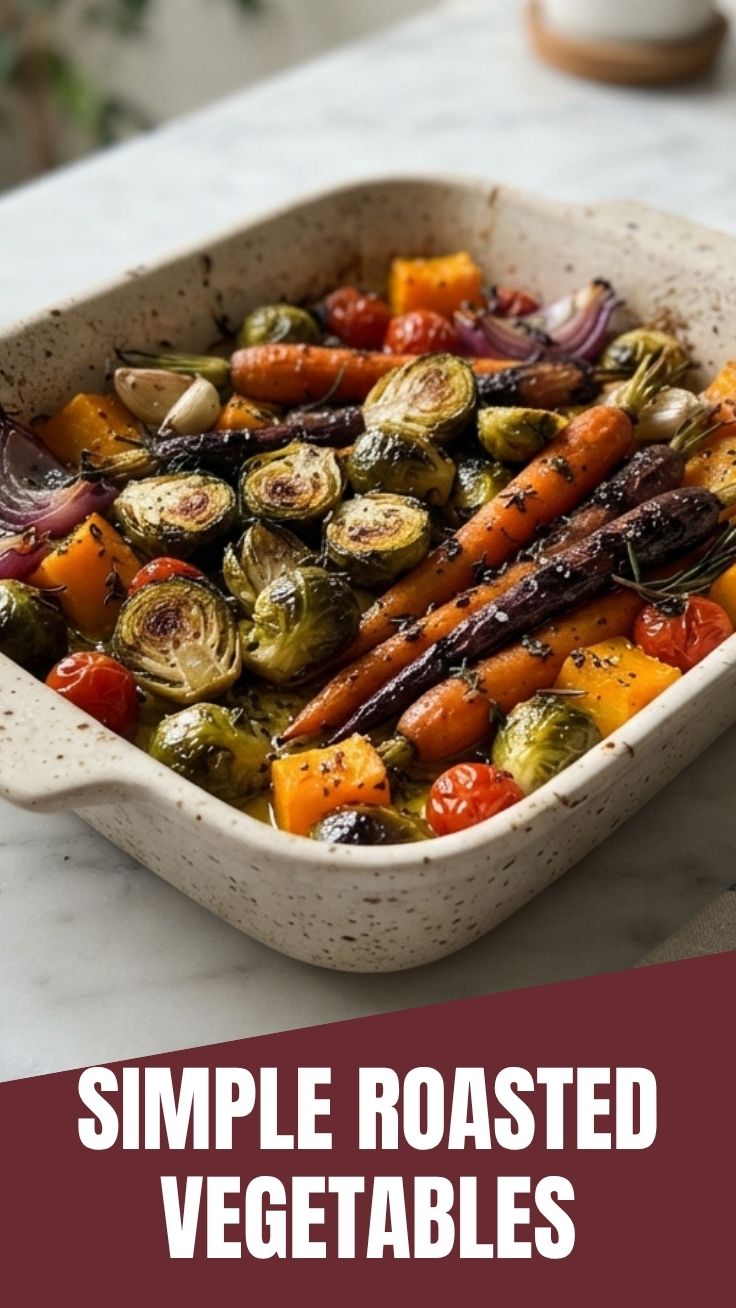
Ever wondered how to transform humble produce into a dazzling, crave-worthy side dish or even a main course? The secret often lies in the magical process of roasting. Forget bland, steamed veggies; we’re talking about vibrant, caramelized goodness that will elevate any meal. This comprehensive guide will walk you through mastering Roasted Vegetables, ensuring every bite is bursting with flavor and perfectly tender-crisp. Beyond just a recipe, we’ll delve into techniques and tips to help you consistently achieve culinary perfection, making them a cornerstone of your home cooking repertoire, alongside quick and easy options like Sheet Pan Vegetables for busy weeknights.
Ingredients & Kitchen Tools
To embark on your roasting adventure, gather these essentials. Remember, quality ingredients make all the difference!
Assorted Root Vegetables: Carrots, parsnips, potatoes (Yukon Gold or red bliss work beautifully), sweet potatoes. (Choose a variety for visual appeal and diverse textures.)*
Cruciferous Vegetables: Broccoli florets, cauliflower florets, Brussels sprouts. (These develop a delightful nutty flavor when roasted.)*
Aromatics: Red onion, garlic cloves (whole or thinly sliced). (Essential for adding depth and fragrance.)*
Olive Oil: Extra virgin is preferred for its robust flavor. (The primary fat for coating and caramelization.)*
Fresh Herbs: Rosemary, thyme, oregano (chopped). (Adds brightness and aromatic complexity.)*
Salt: Kosher or sea salt. (Crucial for seasoning and drawing out moisture.)*
Black Pepper: Freshly ground. (Enhances overall flavor.)*
Optional Seasonings: Paprika, garlic powder, onion powder, chili flakes (for a kick). (Customize to your preference.)*
Large Rimmed Baking Sheets: Essential for even roasting and preventing juices from overflowing. (Use two if necessary to avoid overcrowding.)*
Parchment Paper or Silicone Baking Mats: Prevents sticking and makes cleanup a breeze. (Highly recommended for non-stick results.)*
Large Mixing Bowls: For tossing vegetables with oil and seasonings. (Ensures even coating.)*
Sharp Knife and Cutting Board: For efficient and safe vegetable preparation. (A good knife makes prep much easier.)*
Spatula or Tongs: For flipping and moving vegetables during roasting. (Avoid touching hot pans directly.)*
Prep Time & Cooking Schedule
- Prep Time: 20-25 minutes (This includes washing, peeling, and chopping your chosen vegetables).
- Cook Time: 30-45 minutes (Varies depending on the type and size of vegetables, and your oven).
- Resting Time: 5 minutes (Allows flavors to meld and vegetables to slightly cool before serving).
Plan your cooking by starting with the denser vegetables that require more time, such as potatoes and carrots. Add quicker-cooking items like broccoli or bell peppers later in the roasting process to prevent overcooking. This staggered approach ensures everything finishes at its peak.
Step-by-Step Instructions
1. Preheat Your Oven: Preheat your oven to 400°F (200°C). This high temperature is key to achieving that beautiful caramelization. Line your baking sheets with parchment paper or silicone mats.
2. Prepare the Vegetables: Wash, peel, and chop all your chosen vegetables into roughly equal-sized pieces (about 1-inch chunks). This promotes even cooking. For the best Roasted Vegetables, ensure consistent sizing.
3. Season Generously: In a large mixing bowl, combine the chopped vegetables. Drizzle generously with olive oil – enough to lightly coat all the pieces without drowning them. Add salt, black pepper, and your chosen herbs and optional seasonings. Toss well to ensure everything is evenly coated. This is where the magic of flavor infusion begins, setting the stage for truly delicious Sheet Pan Vegetables.
4. Arrange on Baking Sheets: Spread the seasoned vegetables in a single layer on the prepared baking sheets. Do not overcrowd the pan! Overcrowding leads to steaming instead of roasting, resulting in soggy vegetables. If necessary, use two baking sheets.
5. Roast to Perfection: Place the baking sheets in the preheated oven. Roast for 30-45 minutes, flipping the vegetables halfway through, until they are tender-crisp and beautifully caramelized and browned in spots. The exact time will depend on your oven and the density of your vegetables.
6. Serve Immediately: Once done, remove from the oven and let them rest for a few minutes before serving.
Nutritional Benefits & Advantages
Roasted Vegetables are not just delicious; they’re incredibly healthy. Roasting helps to retain nutrients while enhancing natural flavors. They are packed with fiber, essential vitamins (like Vitamin A from carrots, Vitamin C from broccoli), and minerals. This cooking method often requires less added fat than sautéing, making them a lighter option. Furthermore, the diverse array of colors in a medley of roasted vegetables indicates a wide spectrum of antioxidants, promoting overall well-being and supporting a balanced diet.
Tips, Variations & Cooking Advice
- Don’t Skimp on Oil: A good coating of oil is essential for browning and flavor.
- Season Liberally: Vegetables can take a lot of seasoning. Don’t be shy with salt, pepper, and herbs.
- Flavor Boosters: Drizzle with balsamic glaze, a squeeze of lemon juice, or a sprinkle of Parmesan cheese after roasting for an extra flavor kick.
- Spice It Up: Add red pepper flakes or a pinch of cayenne for a spicy kick.
- Herb Swaps: Experiment with different fresh herbs like dill, parsley, or sage.
- Dietary Adaptations: This recipe is naturally gluten-free and can easily be made vegan by omitting any cheese additions. For a lower-carb option, focus on cruciferous and non-starchy vegetables.
Common Mistakes to Avoid
- Overcrowding the Pan: This is the cardinal sin of roasting. It steams your vegetables instead of browning them. Use multiple pans if needed.
- Low Oven Temperature: A hot oven is crucial for caramelization. Don’t go below 400°F (200°C).
- Uneven Chopping: Inconsistent piece sizes lead to some vegetables being undercooked and others overcooked. Aim for uniformity.
- Not Enough Oil: Too little oil results in dry, uncaramelized vegetables.
- Forgetting to Flip: Flipping ensures even browning on all sides.
Storage & Meal Prep Tips
Leftover Roasted Vegetables are excellent for meal prep. Store them in an airtight container in the refrigerator for up to 3-4 days. They are fantastic reheated in the oven (to retain crispness) or in a microwave (though they may soften slightly). You can also add them cold to salads or grain bowls. While freezing is possible, the texture may become softer upon thawing.
Conclusion
Mastering the art of Roasted Vegetables is a culinary game-changer. It’s a simple, versatile, and incredibly rewarding cooking method that transforms everyday produce into something truly special. By following these steps and incorporating our expert tips, you’ll consistently create delicious, perfectly caramelized vegetables that will impress your family and friends. And for those times when speed is of the essence, remember that Sheet Pan Vegetables offer a fantastic, quick alternative. Give this recipe a try, experiment with your favorite vegetables and seasonings, and share your delightful creations with us!
FAQs
1. Can I mix different types of vegetables in one batch?
Yes, absolutely! Just be mindful of their cooking times. Denser vegetables like potatoes and carrots take longer than softer ones like bell peppers or zucchini. You can either add the quicker-cooking vegetables halfway through the roasting process or chop them into larger pieces to compensate.
2. What’s the best way to get crispy roasted vegetables?
The key is a hot oven (400°F/200°C or higher), not overcrowding the baking sheet, and tossing with enough oil. Flipping them halfway through also aids in even browning and crispness.
3. Can I use frozen vegetables for roasting?
While fresh is generally preferred for the best texture, you can roast frozen vegetables. Do not thaw them first; roast them directly from frozen. They may take slightly longer to cook and might release more water, potentially impacting crispness, but they will still be flavorful.
4. How can I add more flavor to my roasted vegetables?
Besides herbs, salt, and pepper, consider a dash of balsamic vinegar, a squeeze of lemon juice, a sprinkle of nutritional yeast for a cheesy flavor, or a pinch of smoked paprika for depth. Roasting with whole garlic cloves or sliced onions also infuses incredible aroma and taste.