Unlock Culinary Magic: Your Ultimate Guide to a Tender, Flavorful Pot Roast
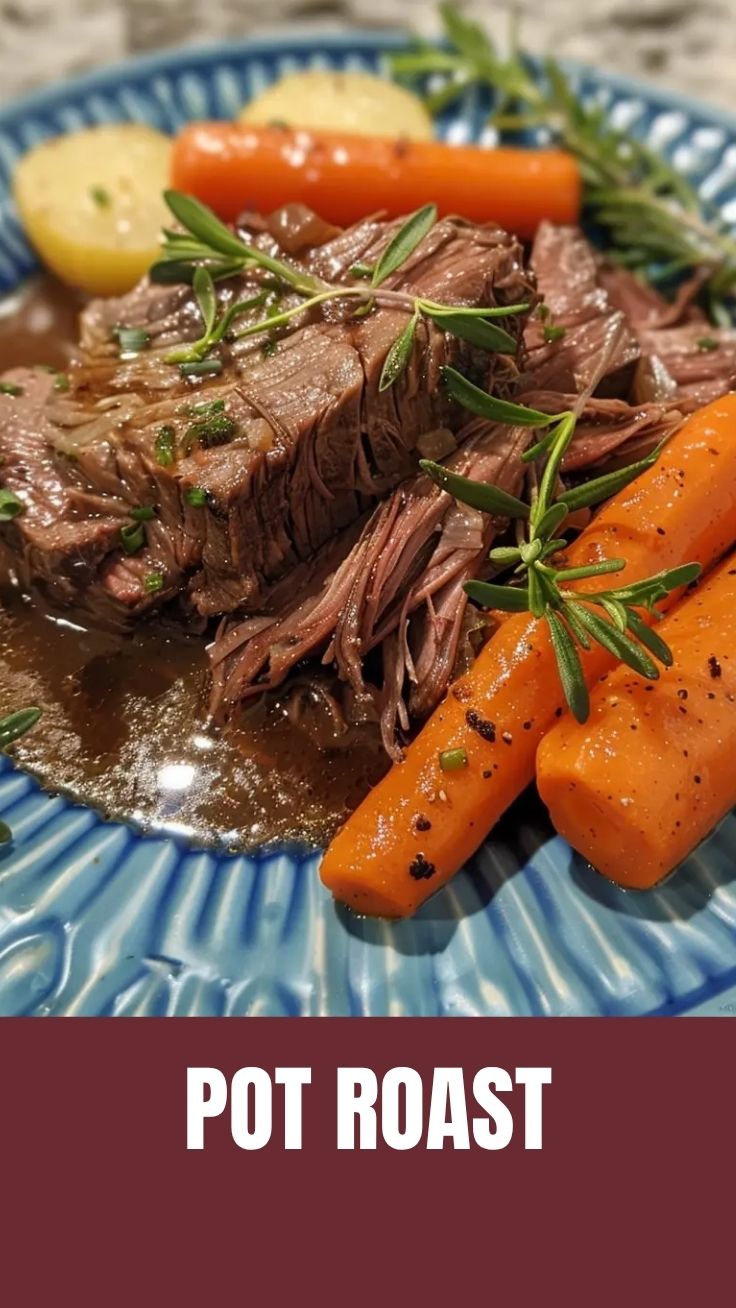
Ever dreamt of a meal that effortlessly combines comforting richness with fall-apart tenderness, transforming everyday ingredients into an extraordinary dining experience? Look no further than the humble yet magnificent Pot Roast. Preparing this classic at home isn’t just about cooking; it’s about crafting memories, filling your kitchen with irresistible aromas, and enjoying the satisfying warmth of a truly homemade dish. And with the convenience of a Slow Cooker, achieving culinary perfection has never been easier or more accessible. This comprehensive guide will equip you with all the knowledge and techniques to master this beloved dish, ensuring a result that will impress even the most discerning palates.
Ingredients & Kitchen Tools
Crafting the perfect pot roast requires a thoughtful selection of ingredients and the right culinary arsenal.
Ingredients:
- 3-4 lb Chuck Roast: This cut, from the shoulder, is ideal for slow cooking due to its marbling and connective tissue, which break down into rich collagen, creating that signature tenderness.
- 1 large Yellow Onion: Quartered, provides a sweet, aromatic base.
- 4-5 Carrots: Peeled and cut into large chunks, they add sweetness, color, and essential nutrients.
- 4-5 Celery Stalks: Cut into large pieces, contributing earthy notes and helping to build a deeper flavor profile.
- 4-5 cloves Garlic: Minced or roughly chopped, infusing the roast with pungent, savory depth.
- 3 cups Beef Broth: The liquid gold that bathes the roast, creating a rich sauce. Low-sodium is always a good option to control seasoning.
- 1 cup Red Wine (optional): A dry red like Cabernet Sauvignon or Merlot adds a layer of sophisticated flavor and acidity, tenderizing the meat.
- 2 tbsp Olive Oil: For searing the roast, developing a flavorful crust.
- 2 tbsp Tomato Paste: Adds umami richness and a subtle tangy sweetness, deepening the sauce’s complexity.
- 1 tbsp Worcestershire Sauce: A secret weapon for umami and a hint of savoriness.
- 2 sprigs Fresh Rosemary: Infuses a woody, aromatic pine-like flavor.
- 4 sprigs Fresh Thyme: Adds a delicate, earthy, and peppery note.
- 2 Bay Leaves: Contributes a subtle, almost herbal, underlying aroma.
- Salt and Black Pepper: Essential for seasoning and bringing out the natural flavors of the ingredients.
- Cornstarch Slurry (optional): 2 tbsp cornstarch mixed with 2 tbsp cold water, used to thicken the gravy at the end.
Kitchen Tools:
- Large Slow Cooker (6-8 quart): The star of this recipe, allowing for hands-off, consistent cooking.
- Large Skillet or Dutch Oven: For searing the chuck roast before slow cooking.
- Tongs: For handling the hot roast safely.
- Measuring Cups and Spoons: For accurate ingredient proportions.
- Cutting Board and Knife: For prepping vegetables.
Prep Time & Cooking Schedule
- Prep Time: 20-30 minutes (includes searing).
- Cook Time: 6-8 hours on LOW or 3-4 hours on HIGH in the slow cooker.
- Resting Time: 10-15 minutes after cooking.
- Total Time: Approximately 6.5 – 8.5 hours.
This recipe is perfect for busy weekdays or relaxed weekends. Most of the work is hands-off, making it an excellent candidate for meal prep or a comforting Sunday dinner. You can even prepare the vegetables the night before to save time on cooking day.
Step-by-Step Instructions
Embark on your culinary journey to a perfectly cooked, succulent Pot Roast with these detailed steps, ensuring every stage is handled with care for maximum flavor.
1. Prepare and Sear the Roast: Pat the chuck roast dry with paper towels and season generously with salt and black pepper on all sides. Heat olive oil in a large skillet or Dutch oven over medium-high heat until shimmering. Carefully place the roast in the hot pan and sear for 3-4 minutes per side until deeply browned and a crust forms. This searing step, known as the Maillard reaction, is crucial for developing rich, complex flavors.
2. Sauté Aromatics: Remove the seared roast from the skillet and set aside. Add the quartered onions, carrots, and celery to the same skillet, stirring and scraping up any browned bits from the bottom of the pan (this is called deglazing, and it adds immense flavor). Sauté for 5-7 minutes until the vegetables begin to soften. Add the minced garlic and tomato paste, cooking for another minute until fragrant.
3. Deglaze with Wine (Optional): If using, pour in the red wine, scraping the bottom of the pan to release any remaining flavorful browned bits. Let it simmer and reduce by half, about 2-3 minutes.
4. Assemble in the Slow Cooker: Transfer the sautéed vegetables to the bottom of your slow cooker. Place the seared chuck roast on top of the vegetables. Pour the beef broth and Worcestershire sauce over the roast and vegetables. Add the fresh rosemary, thyme sprigs, and bay leaves.
5. Cook to Perfection: Cover the slow cooker and cook on LOW for 6-8 hours or on HIGH for 3-4 hours, until the roast is fork-tender and easily shreds. The exact cooking time can vary based on your slow cooker and the roast’s thickness, so trust your judgment for tenderness.
6. Rest and Thicken (Optional): Once cooked, carefully remove the pot roast from the slow cooker and transfer it to a cutting board. Tent it loosely with foil and let it rest for 10-15 minutes. This allows the juices to redistribute, ensuring a more tender and flavorful result.
7. Make the Gravy: If you desire a thicker gravy, strain the cooking liquid from the slow cooker into a saucepan, discarding the herbs and solids (or mashing some of the cooked vegetables into the sauce for more body). Bring the liquid to a simmer over medium heat. Whisk in the cornstarch slurry and cook, stirring constantly, until the gravy thickens to your desired consistency. Season with salt and pepper to taste.
8. Serve: Shred the rested pot roast or cut it into thick slices. Serve immediately with the rich gravy and your favorite side dishes.
Nutritional Benefits & Advantages
A slow-cooked Pot Roast is more than just a delicious meal; it’s a powerhouse of nutrition. Chuck roast is an excellent source of high-quality protein, essential for muscle repair and growth, and provides vital micronutrients like iron, zinc, and B vitamins (B12, niacin, riboflavin) which are crucial for energy production and overall health. The abundance of vegetables like carrots, celery, and onions adds dietary fiber, vitamins A and C, and a host of antioxidants, contributing to a balanced and wholesome diet. The long, slow cooking process breaks down tough fibers, making the meat incredibly tender and easier to digest, all while concentrating natural flavors without excessive added fats.
Tips, Variations & Cooking Advice
- Spice it up: Add a pinch of red pepper flakes for a subtle kick.
- Herb Power: Experiment with different herbs like sage or marjoram for varied aromatic profiles.
- Root Vegetable Medley: Incorporate parsnips, potatoes, or sweet potatoes for added heartiness and flavor. Add these in the last 2-3 hours of cooking so they don’t turn mushy.
- Mushroom Magic: Sauté fresh mushrooms (cremini or button) with the aromatics for an earthy umami boost.
- Alternative Liquids: Replace some beef broth with Guinness beer for a robust, malty depth, or use balsamic vinegar for a touch of tangy sweetness.
- Gluten-Free: Ensure your beef broth is gluten-free. For thickening, use a cornstarch slurry, which is naturally gluten-free.
- Dairy-Free: This recipe is naturally dairy-free.
- Pressure Cooker Method: For a faster cooking time, adapt this recipe to a pressure cooker. Sear as directed, then cook under high pressure for 60-90 minutes, followed by a natural release.
Common Mistakes to Avoid
- Skipping the Searing: Searing the chuck roast is non-negotiable! It seals in juices and creates a depth of flavor that cannot be achieved otherwise.
- Undercooking: A Pot Roast needs time to break down connective tissues. If it’s not falling apart, it’s not done. Don’t rush it.
- Overcrowding the Skillet: When searing, give the meat space. Crowding will steam the meat instead of searing it, preventing that beautiful brown crust.
- Ignoring Seasoning: Don’t be shy with salt and pepper, especially before searing. Adjust seasoning for the gravy at the end.
- Cutting Too Soon: Resting the meat is vital. It allows juices to reabsorb, preventing a dry, tough slice.
Storage & Meal Prep Tips
Leftover Pot Roast is a culinary gift!
- Refrigeration: Store any leftover pot roast and gravy in an airtight container in the refrigerator for up to 3-4 days.
- Freezing: For longer storage, freeze portions in freezer-safe containers or bags for up to 3 months. Thaw overnight in the refrigerator before reheating.
- Reheating: Gently reheat on the stovetop over low heat with a splash of broth to prevent drying out, or in the microwave until heated through.
- Meal Prep: This is an ideal meal for Sunday meal prep. Cook a large batch and portion it out for quick and comforting lunches or dinners throughout the week. Repurpose leftovers into sandwiches, tacos, or even a hearty pot pie.
Conclusion
Mastering the art of a perfect Pot Roast is a truly rewarding endeavor, bringing warmth and flavor to any table. By following these detailed steps, harnessing the power of an excellent cut of meat, and leveraging the convenience of your Slow Cooker, you’re not just cooking a meal, you’re creating a cherished classic. We encourage you to try this recipe, explore its variations, and unleash your inner culinary artist. Share your results, your favorite tips, or any creative twists you add in the comments below! Happy cooking!
FAQs
Q1: Can I use a different cut of beef?
A1: While chuck roast is highly recommended for its marbling and connective tissue that breaks down well, you can also use beef brisket or round roast. Adjust cooking times as needed, ensuring it’s fork-tender.
Q2: My pot roast turned out a little dry. What went wrong?
A2: This can happen if the meat was overcooked at too high a temperature, or if it wasn’t seared properly. Ensure your slow cooker settings are correct and that you’re using sufficient liquid. Also, don’t skip the resting step!
Q3: How do I make the gravy thicker without cornstarch?
A3: If you prefer not to use cornstarch, you can remove some of the cooked vegetables (especially potatoes if you added them) and mash them into the liquid, or reduce the sauce further on the stovetop until it thickens naturally.
Q4: Can I add potatoes to the slow cooker?
A4: Yes! For best results, add quartered potatoes (Russet, Yukon Gold) to the slow cooker during the last 2-3 hours of cooking. This prevents them from becoming too mushy.
Q5: What are some good side dishes to serve with pot roast?
A5: Classic pairings include mashed potatoes, egg noodles, crusty bread, green beans, or a simple side salad. The rich gravy often makes additional sauces unnecessary.