Unlocking the Secret to the Perfect Butternut Squash Soup: A Journey from Garden to Bowl
Have you ever wondered what makes a truly exceptional bowl of Butternut Squash Soup? Beyond just warmth and comfort, there’s an art to coaxing out the velvety sweetness and vibrant flavors of this autumnal staple. While store-bought options might offer convenience, there’s an undeniable satisfaction and superior taste that comes from crafting this golden delight in your own kitchen. And let’s be honest, knowing exactly what goes into your food, especially when you’re thinking about adding a homemade pie crust alongside, makes all the difference. This comprehensive guide will equip you with the knowledge and techniques to create a rich, creamy, and unforgettable experience, transforming simple ingredients into a gourmet masterpiece. From selecting the freshest squash to mastering the perfect consistency, join us as we embark on this flavorful journey.
Ingredients & Kitchen Tools
Here’s everything you’ll need to create your culinary masterpiece:
- Butternut Squash (1 medium, about 2-3 lbs): The star of our show. Look for squash that is firm, heavy for its size, and free of blemishes. Its sweet, nutty flavor is irreplaceable.
- Yellow Onion (1 medium): Provides an aromatic base and depth of flavor.
- Garlic (3-4 cloves): Essential for a savory undertone. Freshly minced is best.
- Vegetable Broth (4-6 cups): The liquid base. Opt for low-sodium to control seasoning.
- Coconut Milk or Heavy Cream (1 can/1 cup): Adds richness and a silky texture. Choose full-fat coconut milk for a dairy-free option and a hint of tropical sweetness, or heavy cream for classic richness.
- Olive Oil (2 tablespoons): For sautéing and roasting.
- Maple Syrup or Brown Sugar (1-2 tablespoons): Enhances the squash’s natural sweetness. Adjust to taste.
- Nutmeg (1/2 teaspoon): A classic pairing with squash, adding warmth.
- Cinnamon (1/4 teaspoon): Another warming spice that complements the sweetness.
- Salt & Black Pepper (to taste): Essential for seasoning throughout the process.
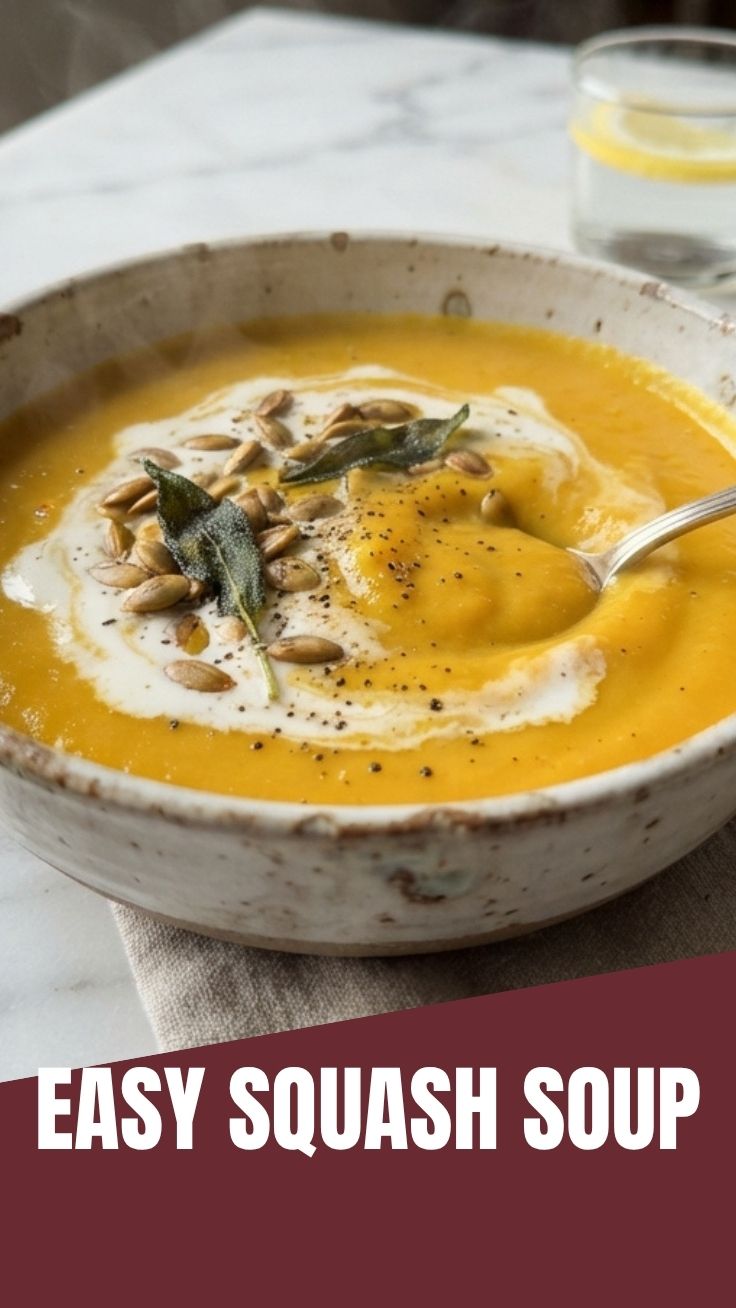
- Optional Garnishes: Toasted pepitas (pumpkin seeds), fresh sage leaves, a swirl of cream, or croutons.
Kitchen Tools:
- Large Baking Sheet: For roasting the squash.
- Large Pot or Dutch Oven: For sautéing and simmering the soup.
- Immersion Blender or Regular Blender: To achieve a smooth, creamy texture. An immersion blender is convenient for blending directly in the pot.
- Sharp Knife: For safely cutting the squash and other vegetables.
- Cutting Board: Essential for safe food preparation.
- Vegetable Peeler: For peeling the butternut squash.
Prep Time & Cooking Schedule
- Prep Time: 25 minutes (includes peeling, chopping, and getting everything ready). This involves a bit of elbow grease for the squash, but the rich reward is worth it.
- Cook Time: 45-55 minutes (25-30 minutes for roasting, 20-25 minutes for simmering).
- Total Time: Approximately 1 hour 10 minutes to 1 hour 20 minutes.
This schedule allows for seamless preparation. Roasting the squash while you chop your aromatics and prepare your broth ensures efficiency, bringing you to that comforting bowl of soup in just over an hour.
Step-by-Step Instructions
1. Prepare the Butternut Squash: Preheat your oven to 400°F (200°C). Carefully peel the butternut squash using a sturdy vegetable peeler. Halve it lengthwise, scoop out the seeds and stringy bits (you can roast the seeds separately for a snack!), and then dice the flesh into 1-inch cubes. Toss the cubes with 1 tablespoon of olive oil, salt, and pepper on a baking sheet. Roast for 25-30 minutes, or until fork-tender and lightly caramelized. This roasting step is key to developing a deep, complex flavor for your Butternut Squash Soup.
2. Sauté Aromatics: While the squash roasts, heat the remaining 1 tablespoon of olive oil in a large pot or Dutch oven over medium heat. Add the chopped onion and cook until softened and translucent, about 5-7 minutes. Stir in the minced garlic and cook for another minute until fragrant, being careful not to burn it. If you’re contemplating a side for your meal, remember that a perfectly flaky pie crust can elevate any autumn dish.
3. Combine and Simmer: Add the roasted butternut squash to the pot with the onions and garlic. Pour in the vegetable broth. Bring the mixture to a boil, then reduce the heat to a simmer, cover, and cook for 10-15 minutes, allowing the flavors to meld beautifully.
4. Blend to Perfection: Remove the pot from the heat. Carefully blend the soup using an immersion blender directly in the pot until completely smooth and creamy. If using a regular blender, work in batches, being cautious as hot liquids expand. Return the blended soup to the pot.
5. Finish and Season: Stir in the coconut milk (or heavy cream), maple syrup (or brown sugar), nutmeg, and cinnamon. Heat gently over low heat until warmed through, but do not boil. Taste and adjust seasoning with additional salt, pepper, or sweetener as needed.
6. Serve: Ladle the warm soup into bowls and garnish with your preferred toppings.
Nutritional Benefits & Advantages
Butternut Squash Soup isn’t just delicious; it’s a nutritional powerhouse. Butternut squash is an excellent source of vitamins A and C, essential for vision, immune function, and skin health. It’s also rich in dietary fiber, which aids digestion and promotes feelings of fullness, making it a satisfying and health-conscious choice. Furthermore, its potassium content supports heart health, and the natural antioxidants help combat oxidative stress. When paired with healthy fats from olive oil and optional coconut milk, this soup becomes a wonderfully wholesome and energizing meal.
Tips, Variations & Cooking Advice
- Roasting for Flavor: Don’t skip the roasting step! It caramelizes the squash, deepening its sweetness and adding complexity that boiling just can’t achieve.
- Spice It Up: For a touch of heat, add a pinch of cayenne pepper or a dash of fresh ginger during the sautéing stage.
- Herbaceous Notes: Fresh sage or thyme added with the onions and garlic can elevate the aromatic profile.
- Sweetness Control: Adjust the amount of maple syrup or brown sugar to your preference. Some squash varieties are naturally sweeter.
- Creaminess Options: For a richer soup, use heavy cream. For a dairy-free and slightly tropical twist, full-fat coconut milk is an excellent choice.
- Thicker Consistency: If your soup is too thin, let it simmer uncovered for a bit longer to reduce. If too thick, add a little more broth or water.
Common Mistakes to Avoid
- Under-roasting the Squash: This results in a less flavorful soup with a watery texture. Ensure the squash is truly fork-tender and slightly browned.
- Burning the Garlic: Garlic cooks quickly. Add it after the onions have softened and cook only until fragrant, usually about 30-60 seconds.
- Over-boiling After Adding Cream: High heat can cause cream or coconut milk to curdle. Always reheat gently over low heat.
- Not Seasoning Throughout: Taste and adjust seasoning at several stages – after roasting the squash, after simmering, and before serving – to build balanced flavor.
- Skipping the Blend: A smooth texture is key to a luxurious soup. Ensure you blend until no lumps remain.
Storage & Meal Prep Tips
- Refrigeration: Leftover Butternut Squash Soup can be stored in an airtight container in the refrigerator for up to 4-5 days.
- Freezing: This soup freezes beautifully! Allow it to cool completely, then transfer it to freezer-safe containers or bags. It can be frozen for up to 3 months. Thaw overnight in the refrigerator before reheating.
- Reheating: Gently reheat on the stovetop over low to medium heat, stirring occasionally. If the soup is too thick after chilling or freezing, add a splash of broth or water to achieve your desired consistency. Avoid high heat to prevent curdling the cream/coconut milk. This soup is perfect for meal prepping, offering a quick and healthy option throughout the week.
Conclusion
Crafting your own Butternut Squash Soup from scratch is a deeply rewarding experience, delivering unmatched flavor and a comforting aroma that fills your home. By following these steps, you’ve not only mastered a beloved seasonal dish but also deepened your understanding of how simple ingredients can transform into something truly extraordinary. Whether enjoyed on its own, perhaps with a side of homemade pie crust, this soup promises warmth and deliciousness. We encourage you to try this recipe, experiment with the variations, and share your culinary creations with us!
FAQs
Q1: Can I make this soup without an immersion blender?
A1: Absolutely! You can use a regular blender. Just be sure to blend in batches and vent the lid to allow steam to escape, preventing pressure buildup.
Q2: What if I can’t find butternut squash?
A2: You can substitute other winter squash varieties like acorn squash, kabocha squash, or even pie pumpkin. The flavor profile will vary slightly but will still be delightful.
Q3: How can I make this soup vegan?
A3: This recipe is already vegan if you use vegetable broth and full-fat coconut milk instead of heavy cream. Ensure your maple syrup is pure maple syrup.
Q4: Can I add other vegetables to the soup?
A4: Yes! Carrots, sweet potatoes, or even an apple (added with the squash for roasting) can complement the flavors beautifully.
Q5: My soup turned out too thin/thick. What should I do?
A5: If it’s too thin, simmer it uncovered for a bit longer to reduce. If it’s too thick, stir in a little more vegetable broth, water, or even a splash of milk or cream until it reaches your desired consistency.