Master the Art of the Perfect Roast Turkey: Your Ultimate Guide
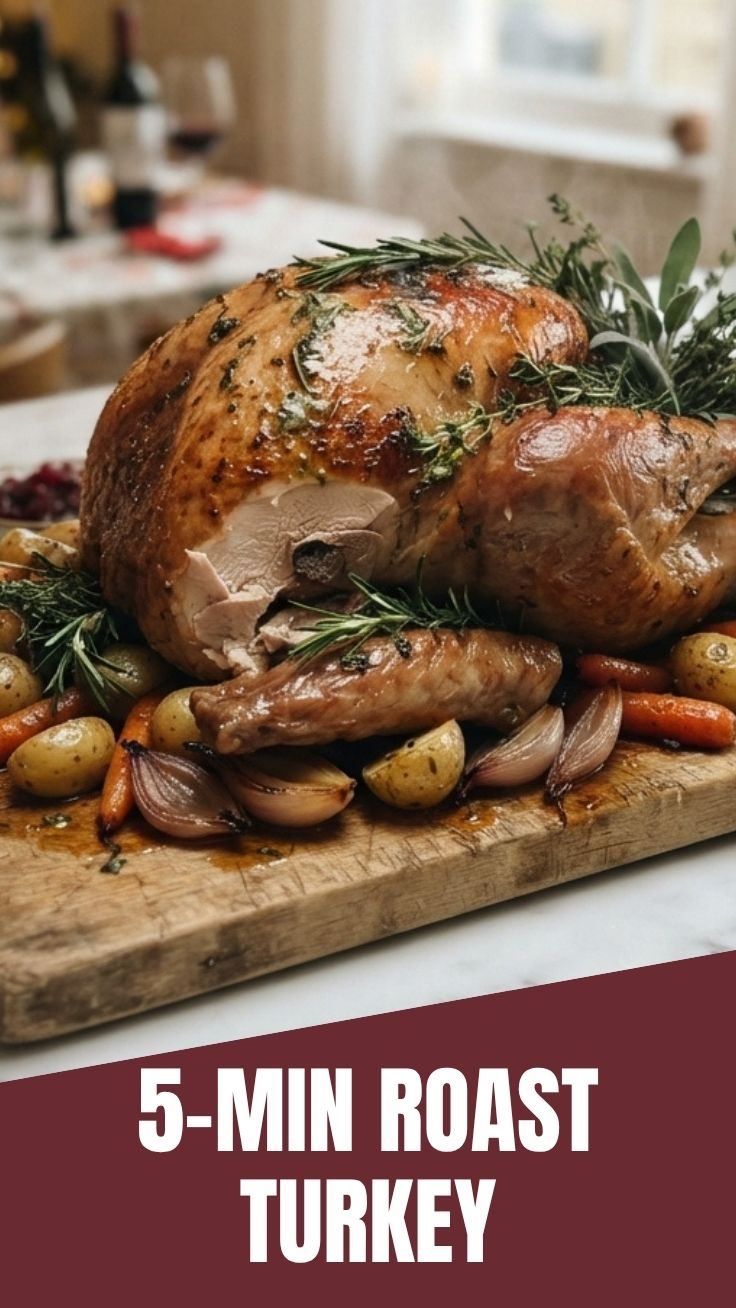
Ever wondered how to achieve that perfectly golden, impossibly juicy Roast Turkey that graces magazine covers and family gatherings? Look no further! Preparing a magnificent whole roasted turkey at home isn’t just about cooking; it’s about crafting a centerpiece that embodies comfort, celebration, and culinary achievement. This comprehensive guide will empower you with the knowledge and techniques to transform a simple bird into an unforgettable feast, making every bite a testament to your efforts. And for those planning ahead, we’ll also delve into tips that will make your Thanksgiving Turkey Recipes stand out. Understanding the nuances of roasting a turkey ensures not only a delicious meal but also a deeply satisfying cooking experience.
Ingredients & Kitchen Tools
- Whole Turkey (12-15 lbs): Fresh or fully thawed, free-range for best flavor. Approximately 1.5 lbs per person, so adjust size based on guest count.
- Butter (1/2 cup, unsalted, softened): For basting and achieving crispy skin. Olive oil is a good alternative.
- Fresh Herbs (Rosemary, Thyme, Sage; 2-3 sprigs each): Aromatic infusion, placed inside the cavity. Dried herbs can be used in a pinch (1 tsp dried for 1 tbsp fresh).
- Onion (1 large, quartered): Adds moisture and flavor to the cavity.
- Carrots (2-3, roughly chopped): Aromatic base for the roasting pan.
- Celery Stalks (2-3, roughly chopped): Complements carrots for a flavorful pan drippings base.
- Chicken or Vegetable Broth (4 cups): Keeps the turkey moist and forms the base for gravy. Wine or water can substitute.
- Salt (2 tbsp, kosher): Essential for seasoning, both inside and out. Adjust to taste.
- Black Pepper (1 tbsp, freshly ground): Adds a subtle, pungent heat.
- Roasting Pan with Rack: Allows air circulation for even cooking. A sturdy baking sheet with a wire rack can work.
- Basting Brush: For applying butter and pan juices.
- Meat Thermometer (Instant-read): Crucial for ensuring safe and perfectly cooked poultry.
- Twine (Kitchen-grade): For trussing the turkey, ensuring even cooking and a neater presentation.
Prep Time & Cooking Schedule
- Thawing Time (if frozen): Allow 24 hours in the refrigerator for every 4-5 lbs of turkey. A 15 lb turkey needs about 3-4 days. Do not thaw at room temperature.
- Prep Time: 30 minutes (includes patting dry, seasoning, and trussing).
- Brining Time (Optional but Recommended): 12-24 hours. A good brine enhances moisture and flavor significantly.
- Cooking Time: Approximately 13-15 minutes per pound at 325°F (160°C). A 15 lb turkey will take around 3.5 to 4 hours. Always cook until the internal temperature reaches 165°F (74°C) in the thickest part of the thigh without touching bone.
- Resting Time: 20-30 minutes, uncovered. This is non-negotiable for juicy meat, allowing juices to redistribute.
Step-by-Step Instructions
1. Prepare the Turkey: Remove the turkey from its packaging, discard giblets and neck from the cavities. Pat the entire turkey thoroughly dry with paper towels – this is key for crispy skin.
2. Seasoning & Aromatics: In a small bowl, mix softened butter with a pinch of salt, pepper, and finely chopped herbs. Gently loosen the skin over the breast meat with your fingers and rub about half of the butter mixture directly onto the meat under the skin. Rub the remaining butter mixture all over the exterior of the turkey. Season the cavity generously with salt and pepper. Stuff the cavity with quartered onion, fresh herb sprigs (rosemary, thyme, sage), and any extra aromatics you prefer. For a truly unforgettable experience, consider how these preparations contribute to the broader success of your Thanksgiving Turkey Recipes.
3. Trussing (Optional but Recommended): Tuck the wing tips under the turkey’s body. Use kitchen twine to tie the legs together. This helps the turkey cook more evenly and makes for a more attractive presentation of the Roast Turkey.
4. Prepare the Roasting Pan: Place chopped carrots and celery at the bottom of your roasting pan. Pour 2 cups of chicken or vegetable broth over the vegetables. This creates a flavorful steaming environment and prevents pan drippings from burning.
5. Roast the Turkey: Place the turkey on the rack in the prepared roasting pan, breast-side up. Transfer to a preheated oven at 325°F (160°C). Roast for the estimated time, basting every 45 minutes to an hour with pan juices or melted butter. If the skin browns too quickly, loosely tent with aluminum foil.
6. Check for Doneness: Start checking the internal temperature about an hour before the estimated cook time ends. Insert an instant-read meat thermometer into the thickest part of the thigh, avoiding the bone. The turkey is done when it reaches 165°F (74°C).
7. Rest the Turkey: Once cooked, remove the turkey from the oven and carefully transfer it to a large cutting board or serving platter. Tent loosely with foil and let it rest for a minimum of 20-30 minutes. This resting period is critical for the juices to redistribute, ensuring a tender and moist bird.
8. Carve & Serve: After resting, carve the turkey and serve immediately with your favorite sides. Don’t forget to strain the pan drippings for gravy!
Nutritional Benefits & Advantages
Turkey is an excellent source of lean protein, essential for muscle repair and growth. It’s also rich in B vitamins (especially B3, B6, and B12), which play crucial roles in energy metabolism and nervous system function. A Roast Turkey offers minerals like selenium, which is a powerful antioxidant, and zinc, vital for immune health. Opting for a whole turkey rather than processed meats generally means less sodium and fewer artificial additives. The healthy fats from the skin (if consumed in moderation) and the aromatic vegetables add further nutritional value.
Tips, Variations & Cooking Advice
- Brining: A simple saltwater brine (1 cup kosher salt per gallon of water) significantly enhances moisture and flavor. Add aromatics like bay leaves, peppercorns, and orange peels to the brine for extra depth.
- Flavor Boosts: Add apple wedges, lemon halves, or more fresh herbs to the cavity. For a smoky flavor, consider adding a few slices of bacon over the breast during the last hour of cooking.
- Compound Butter: Instead of just plain butter, mix fresh herbs, minced garlic, and a squeeze of lemon juice into softened butter for an extra flavorful rub.
- High-Heat Start (Optional): Some chefs like to start the turkey at a higher temperature (425°F/220°C) for the first 30 minutes to achieve crispy skin quickly, then reduce to 325°F (160°C) for the remainder of the cooking time.
- Gravy Magic: Don’t discard those pan drippings! Deglaze the pan with a little wine or broth, strain, and use as the base for a rich, flavorful homemade gravy.
Common Mistakes to Avoid
- Not Thawing Properly: Thawing at room temperature can lead to bacterial growth. Always thaw in the refrigerator.
- Overcooking: The biggest culprit of dry turkey. Always use a meat thermometer and cook until 165°F, then rest.
- Not Resting the Turkey: Skipping the resting step means all those delicious juices will spill out when you carve, resulting in a drier bird.
- Inadequate Seasoning: A large bird needs generous seasoning, both inside and out, to be flavorful. Don’t be shy with salt and pepper!
- Leaving Giblets in the Cavity: Always remember to remove the giblet package and neck from both cavities before roasting.
Storage & Meal Prep Tips
Store leftover cooked turkey in airtight containers in the refrigerator for up to 3-4 days. For longer storage, freeze carved turkey meat in freezer-safe bags or containers for up to 2-3 months. To reheat, gently warm in the oven with a little broth to prevent drying out, or microwave in shorter intervals. Leftover turkey is fantastic for sandwiches, salads, soups, tacos, and casseroles – perfect for creative meal prepping!
Conclusion
Mastering the art of a perfectly cooked Roast Turkey is a truly rewarding culinary experience. By following these detailed steps and embracing the tips provided, you’re not just preparing a meal; you’re creating a memorable feast that will impress and delight. Remember, practice makes perfect, and each time you roast a turkey, you’ll gain more confidence and expertise. We encourage you to try this recipe, experiment with the variations, and make it your own. And as you plan your holiday spreads, keep these insights in mind for all your future Thanksgiving Turkey Recipes. Share your success stories and any creative twists you discover in the comments below!
FAQs
Q1: How do I prevent my turkey breast from drying out while the dark meat cooks?
A1: You can loosely tent the breast with aluminum foil partway through cooking, or try basting more frequently over the breast area. Some people also place a layer of bacon strips over the breast.
Q2: Can I stuff the turkey cavity with bread stuffing?
A2: While traditional, it’s generally not recommended by food safety experts as it can be difficult for the stuffing to reach a safe internal temperature (165°F/74°C) without overcooking the turkey. If you choose to stuff, ensure the stuffing itself reaches 165°F. It’s safer to cook stuffing separately.
Q3: What if my turkey is still frozen when I’m ready to cook?
A3: If you’re really in a pinch, you can roast a frozen turkey, but it will take significantly longer (about 50% more time) and makes basting and seasoning difficult. It’s best to thaw thoroughly.
Q4: How do I get crispy skin on my roast turkey?
A4: The key is a dry turkey skin before cooking (pat it very dry with paper towels), rubbing with butter or oil, and ensuring adequate airflow around the bird (using a roasting rack). A higher initial temperature can also help.
Q5: What can I do with the turkey drippings?
A5: Turkey drippings are liquid gold for gravy! Strain them, separate the fat (or leave some for richness), and use them as the flavorful base for your homemade gravy, thickening with a roux.