Craving a Slice of Pure Bliss? Your Ultimate Guide to Homemade Carrot Cake Awaits!
Have you ever found yourself yearning for that perfect combination of moist, spiced cake and creamy, tangy frosting? There’s something undeniably comforting and celebratory about a classic Carrot Cake. And while store-bought versions are convenient, nothing quite compares to the rich aroma and personalized flavor of one made right in your own kitchen. This isn’t just about baking; it’s about crafting a delightful experience from scratch. This comprehensive guide will walk you through every step of creating a masterpiece, ensuring your homemade Carrot Cake Recipe is nothing short of extraordinary. Let’s unlock the secrets to baking the best carrot cake you’ve ever tasted!
Ingredients & Kitchen Tools
Here’s everything you’ll need to create your culinary masterpiece:
- All-Purpose Flour (2 cups): Provides the cake’s structure. Can substitute with gluten-free flour blend for a gluten-free version.
- Granulated Sugar (1.5 cups): For sweetness and moisture. Brown sugar can be used for deeper molasses notes.
- Packed Brown Sugar (0.5 cup): Adds moisture and a caramel-like flavor.
- Baking Soda (2 tsp): Leavening agent for rise.
- Ground Cinnamon (2 tsp): Essential warm spice for classic carrot cake flavor.
- Ground Nutmeg (0.5 tsp): Another warming spice, complements cinnamon.
- Salt (1 tsp): Enhances all flavors.
- Vegetable Oil (1 cup): Keeps the cake incredibly moist. Can substitute with applesauce for a lower-fat option.
- Large Eggs (4 large): Binds ingredients and adds richness.
- Vanilla Extract (2 tsp): Enhances overall flavor.
- Grated Carrots (3 cups, approximately 4-5 medium carrots): The star ingredient, provides moisture and natural sweetness.
- Chopped Pecans or Walnuts (1 cup, optional): Adds delightful crunch and nutty flavor. Can omit for nut-free.
- Cream Cheese (8 oz, full-fat): Base for the luxurious frosting.
- Unsalted Butter (0.5 cup, softened): For richness in the frosting.
- Powdered Sugar (3-4 cups, sifted): Sweetens and thickens the frosting. Adjust to desired sweetness.
- Mixing Bowls (large and medium): For combining ingredients.
- Whisk: To blend dry ingredients.
- Electric Mixer (stand or hand-held): Essential for creaming butter and sugar, and making the frosting.
- Rubber Spatula: For scraping bowls and folding ingredients.
- Grater: For shredding carrots.
- Measuring Cups and Spoons: For accurate ingredient portions.
- 9×13 inch baking pan or two 8 or 9-inch round cake pans: Your chosen baking vessel.
- Parchment Paper: Prevents sticking, especially for round pans.
- Wire Rack: For cooling the cake completely.
Prep Time & Cooking Schedule
- Prep Time: 30 minutes (includes grating carrots and gathering ingredients).
- Cook Time: 30-35 minutes for round pans, 40-45 minutes for a 9×13 inch pan.
- Cooling Time: 1-2 hours (crucial for frosting).
Planning is key for a stress-free baking experience. Grate your carrots ahead of time to save on prep. Ensure your cream cheese and butter for the frosting are at room temperature for the creamiest texture. This schedule allows for a natural flow from mixing to baking and cooling, culminating in a gloriously frosted cake.
Step-by-Step Instructions
1. Preparation is Key: Preheat your oven to 350°F (175°C). Grease and flour your chosen baking pan(s). If using round pans, line the bottoms with parchment paper for easy removal.
2. Combine Dry Ingredients: In a large bowl, whisk together the all-purpose flour, granulated sugar, brown sugar, baking soda, ground cinnamon, ground nutmeg, and salt. Make sure there are no lumps for a smooth batter.
3. Mix Wet Ingredients: In a separate medium bowl, whisk together the vegetable oil, large eggs, and vanilla extract until well combined and slightly frothy.
4. Combine Wet and Dry: Pour the wet ingredients into the dry ingredients. Mix using a rubber spatula until just combined. Be careful not to overmix, as this can lead to a tough cake.
5. Fold in Carrots (and Nuts): Gently fold in the grated carrots and, if using, the chopped pecans or walnuts. Ensure they are evenly distributed throughout the batter. This is where the magic of a delightful Carrot Cake truly begins to take shape.
6. Bake to Perfection: Pour the batter evenly into your prepared pan(s). Bake according to the times listed above, or until a wooden skewer inserted into the center comes out clean.
7. Cool Completely: Once baked, remove the cake(s) from the oven and let them cool in the pan for 10-15 minutes before inverting them onto a wire rack to cool completely. This full cooling is vital before frosting.
8. Prepare the Frosting: While the cake cools, make your cream cheese frosting. In a large bowl with an electric mixer, beat the softened cream cheese and unsalted butter until smooth and creamy.
9. Add Powdered Sugar: Gradually add the sifted powdered sugar, one cup at a time, beating until smooth after each addition. If the frosting is too thick, add a tablespoon of milk; if too thin, add more powdered sugar. This luscious frosting is the crowning glory of any Carrot Cake Recipe.
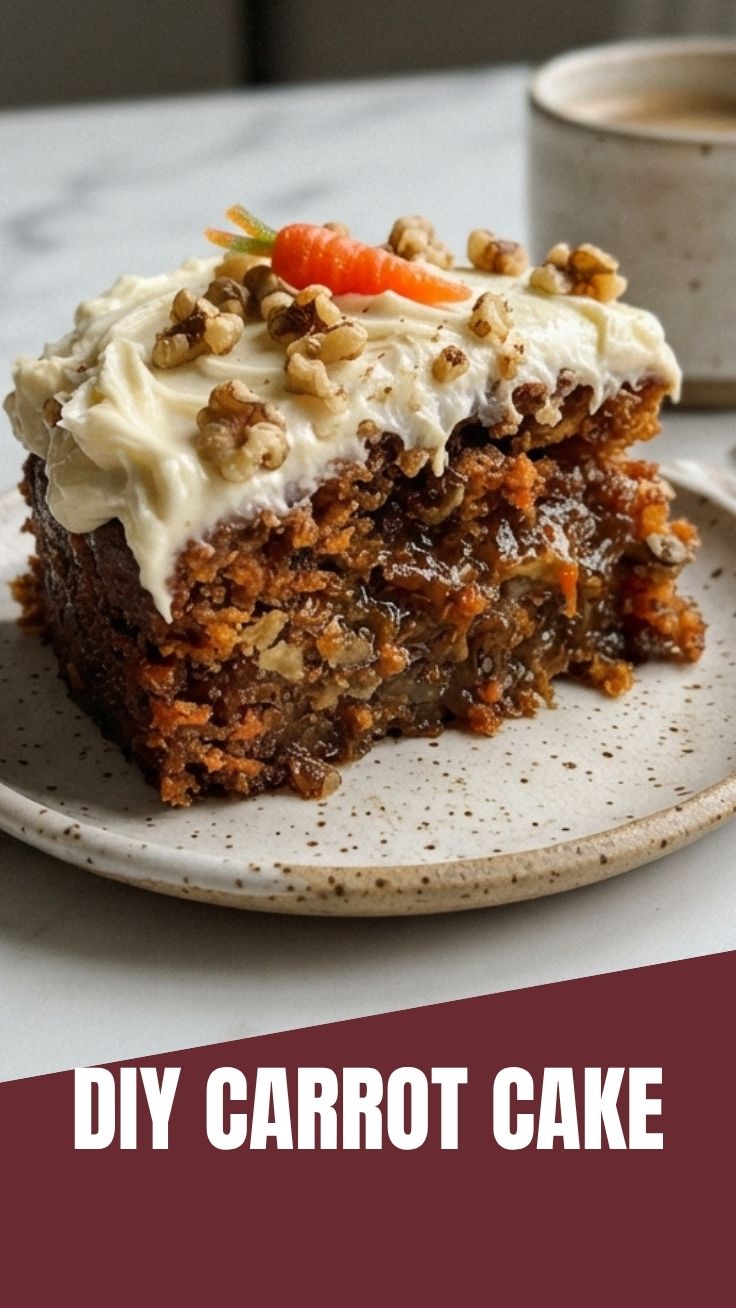
10. Frost and Serve: Once the cake is completely cool, spread the cream cheese frosting evenly over the top and sides. Garnish with extra chopped nuts, if desired. Slice and enjoy!
Nutritional Benefits & Advantages
Beyond its incredible taste, homemade carrot cake offers several surprising benefits. Carrots are packed with beta-carotene, an antioxidant that the body converts to Vitamin A, crucial for vision, immune function, and skin health. The spices like cinnamon and nutmeg also boast anti-inflammatory properties. Using whole ingredients and controlling the sugar content in a homemade version allows you to create a treat that is both indulgent and slightly healthier than many store-bought alternatives.
Tips Variations & Cooking Advice
- Spice it up: Add a pinch of ground ginger or allspice for an extra layer of warmth.
- Pineapple Power: For an even moister cake, add 1/2 cup of well-drained crushed pineapple to the batter.
- Raisins or Dates: Fold in 1/2 cup of plump raisins or chopped dates for added sweetness and chewiness.
- Gluten-Free: Swap the all-purpose flour for a 1:1 gluten-free baking blend.
- Vegan Version: Use flax eggs (1 tbsp ground flaxseed + 3 tbsp water per egg), apple cider vinegar for baking soda activation, and a vegan cream cheese/butter alternative for the frosting.
- Make Ahead: Carrot cake often tastes even better the next day, allowing the flavors to meld.
Common Mistakes to Avoid
- Overmixing the Batter: This develops the gluten too much, resulting in a tough, dry cake. Mix until just combined.
- Not Grating Carrots Finely Enough: Large carrot pieces won’t soften sufficiently during baking, leading to an unpleasant texture.
- Frosting a Warm Cake: This is a cardinal sin! The frosting will melt and slide right off. Ensure the cake is completely cool.
- Using Cold Cream Cheese/Butter for Frosting: Leads to lumpy, unspreadable frosting. Always let them come to room temperature.
- Underbaking: Results in a gooey center. Always check for doneness with a skewer.
Storage & Meal Prep Tips
Store leftover carrot cake in an airtight container in the refrigerator for up to 5 days due to the cream cheese frosting. For longer storage, freeze individual slices (without frosting, if possible, or very carefully wrapped) for up to 2-3 months. Thaw in the refrigerator overnight or at room temperature for a few hours before serving. If freezing with frosting, wrap tightly in plastic wrap and then foil to prevent freezer burn and preserve texture.
Conclusion
There you have it – your definitive guide to baking a truly exceptional Carrot Cake right in your own kitchen! From the selection of top-notch ingredients to the crucial cooling stages and the art of the perfect frosting, every step contributes to a memorable culinary creation. This isn’t just about following a recipe; it’s an opportunity to create joy and share a delicious moment with loved ones. Embrace the process, savor the aromas, and relish the pride of serving a homemade treat. We hope this Carrot Cake Recipe inspires you to get baking. We’d love to hear about your baking adventures and see your delicious results in the comments below!
FAQs
Q1: Can I use pre-shredded carrots?
A1: While convenient, pre-shredded carrots are often drier and thicker. Freshly grated carrots yield a moister and more flavorful cake.
Q2: My cream cheese frosting is too runny. What went wrong?
A2: This usually happens if your butter or cream cheese was too warm, or if you didn’t use enough powdered sugar. Chill the frosting for 15-30 minutes, then re-beat, gradually adding more sifted powdered sugar until you reach the desired consistency.
Q3: How can I make my carrot cake even moister?
A3: Ensure you use oil, not butter, in the cake batter, as oil contributes more moisture. Adding a small can of well-drained crushed pineapple or a grated apple can also boost moisture.
Q4: Can I bake this recipe as cupcakes?
A4: Absolutely! Line cupcake tins and fill them about two-thirds full. Bake for 20-25 minutes, or until a toothpick inserted comes out clean. Adjust baking time as needed.
Q5: What’s the best way to grate carrots?
A5: A food processor with a grater attachment is quickest. Alternatively, a box grater on the medium-sized holes works perfectly. Avoid using the smallest holes, as it can make the carrots too mushy.