The Ultimate Guide to Mastering Homemade Gnocchi: A Culinary Journey from Scratch
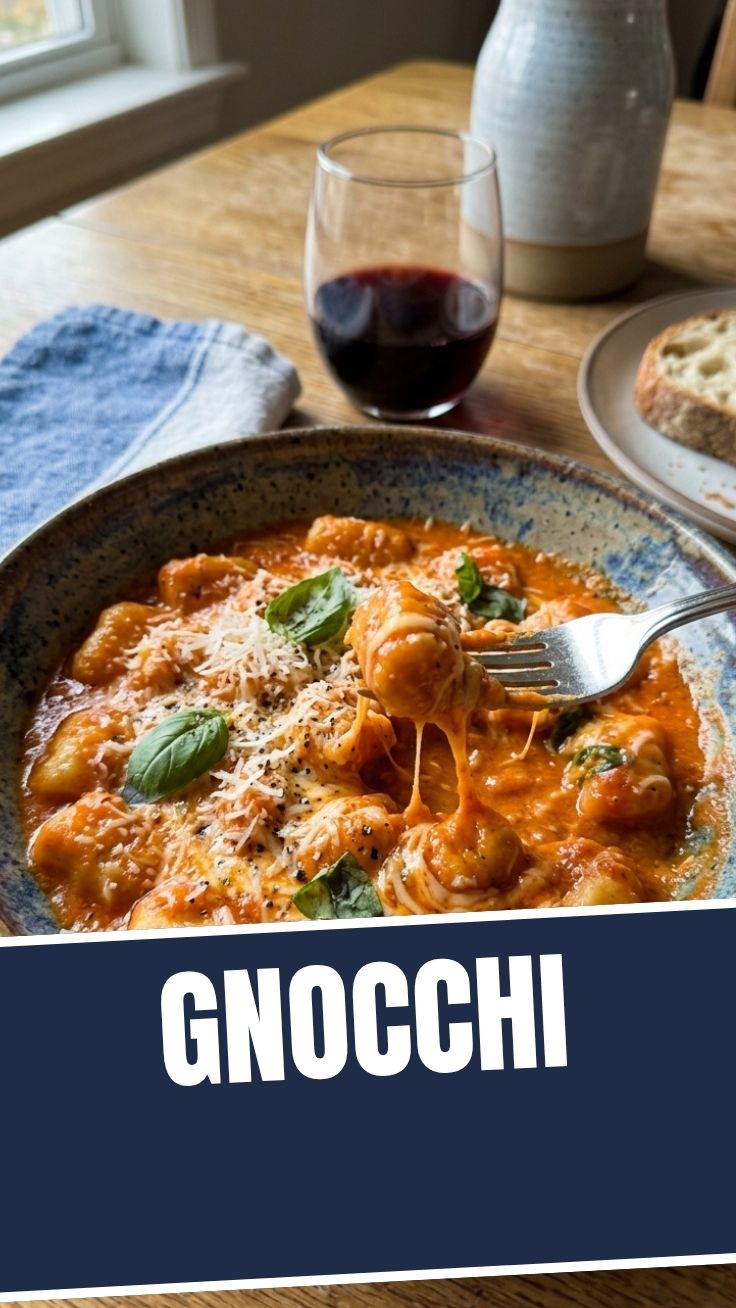
Have you ever savored the tender, pillowy perfection of fresh Gnocchi and wished you could recreate that magic at home? The good news is, you absolutely can! This comprehensive guide will demystify the art of crafting homemade pasta, transforming a seemingly complex dish into a rewarding culinary adventure. Forget relying on store-bought versions; preparing this delightful dish from scratch not only elevates its flavor profile but also offers a deeply satisfying connection to your food. We’ll delve into everything you need to know, from selecting the right ingredients to mastering the perfect potato gnocchi, ensuring a delectable result every time.
Ingredients & Kitchen Tools
Crafting sensational Gnocchi requires a few essential ingredients and tools. Here’s what you’ll need:
- 1.5 lbs Russet Potatoes (approx. 3-4 medium): High-starch content is crucial for light, fluffy Potato gnocchi. Avoid waxy varieties.
- 1 ¼ cups All-Purpose Flour (plus more for dusting): Provides structure. Start with a lower amount and add as needed to avoid tough gnocchi.
- 1 large Egg Yolk: Adds richness and helps bind the dough.
- 1 tsp Salt: Enhances flavor.
- ⅛ tsp Freshly Grated Nutmeg (optional): Aromatic spice that complements potato dishes beautifully.
- Large Pot: For boiling potatoes and later, the gnocchi.
- Potato Ricer or Food Mill: Essential for achieving a fine, lump-free potato puree. A masher can work in a pinch, but results may vary.
- Pastry Scraper or Bench Scraper: Helps with dough handling and portioning.
- Fork: For shaping the gnocchi and creating ridges for sauce adherence.
- Shallow Baking Sheet lined with Parchment Paper: For resting shaped gnocchi to prevent sticking.
Prep Time & Cooking Schedule
- Prep Time: 45 minutes
- Cook Time: 20 minutes (for potatoes) + 3-5 minutes (for gnocchi)
- Resting Time: 15 minutes (for dough)
This recipe is best enjoyed fresh, but thoughtful scheduling can make it a breeze. The most time-consuming part is preparing the potatoes. You can boil and rice the potatoes a few hours in advance, allowing them to cool completely before incorporating other ingredients.
Step-by-Step Instructions
1. Prepare the Potatoes: Wash and peel the Russet potatoes. Cut them into roughly equal-sized pieces to ensure even cooking. Place them in a large pot, cover with cold water, and add a generous pinch of salt. Bring to a boil, then reduce heat and simmer until fork-tender, about 15-20 minutes.
2. Rice the Potatoes: Drain the cooked potatoes thoroughly. While still hot, pass them through a potato ricer or food mill directly onto a clean work surface (or a large bowl). This step is crucial for light and airy Gnocchi.
3. Form the Dough: Spread the riced potatoes into an even layer to allow some steam to escape. Once slightly cooled but still warm (to the touch), create a well in the center. Sprinkle the salt and nutmeg (if using) evenly over the potatoes. Add the egg yolk to the well. Gradually add about 1 cup of flour around the perimeter.
4. Gently Mix: Using a pastry scraper or your hands, carefully fold the ingredients together, working from the outside in. Avoid overmixing, as this develops gluten and can lead to tough Potato gnocchi. Add the remaining ¼ cup of flour only if the dough is too sticky to handle. The dough should be soft, slightly tacky, but not sticking excessively to your hands.
5. Rest the Dough: Form the dough into a loose ball, cover it with a clean kitchen towel, and let it rest for 15 minutes. This allows the flour to fully hydrate.
6. Shape the Gnocchi: Divide the dough into 4-6 equal portions. On a lightly floured surface, roll each portion into a ½-inch thick rope. Cut the ropes into ¾-inch pieces.
7. Create Ridges (Optional but Recommended): Gently roll each piece down the tines of a fork, or use a gnocchi board, applying light pressure with your thumb to create a divot on one side and ridges on the other. This helps the gnocchi hold sauce.
8. Cook the Gnocchi: Bring a large pot of generously salted water to a rolling boil. Carefully drop the gnocchi in batches (do not overcrowd the pot). They will sink, then float to the surface when cooked, typically within 2-3 minutes.
9. Serve: Remove the cooked gnocchi with a slotted spoon and either dress immediately with your favorite sauce or sauté briefly with butter and sage.
Nutritional Benefits & Advantages
Homemade Gnocchi offers more than just incredible flavor; it’s also a surprisingly wholesome addition to your diet. Potatoes are an excellent source of essential nutrients like Vitamin C, Vitamin B6, and potassium, which supports heart health and fluid balance. When prepared with minimal added fats, potato-based gnocchi can be a satisfying and energy-rich component of a meal. Opting for homemade means you control the ingredients, avoiding preservatives and excessive sodium often found in store-bought varieties.
Tips, Variations & Cooking Advice
- Flour Wisely: The amount of flour can vary based on potato moisture. Always err on the side of less; you can always add more, but you can’t take it out.
- Ricotta Gnocchi: For a lighter, creamier texture, substitute some of the potato with ricotta cheese. For every pound of riced potato, use ½ cup of drained ricotta.
- Spinach Gnocchi: Incorporate finely chopped and well-drained cooked spinach into the dough for a vibrant color and added nutrients.
- Sweet Potato Gnocchi: Substitute Russet potatoes with sweet potatoes for a naturally sweeter gnocchi, pairing wonderfully with savory brown butter and sage sauces.
- Sauce Pairings: Classic pairings include pesto, marinara, brown butter and sage, or a creamy mushroom sauce.
Common Mistakes to Avoid
- Overworking the Dough: This is the cardinal sin of gnocchi making. Excessive kneading develops gluten, resulting in tough, chewy gnocchi instead of light, tender pillows. Mix just until combined.
- Using Waxy Potatoes: Varieties like Yukon Gold or Red Bliss have lower starch and higher moisture, leading to a gluey, dense dough. Stick with high-starch Russets.
- Adding Too Much Flour: This will also lead to dense, hard gnocchi. The dough should feel soft and slightly pliable.
- Overcrowding the Pot: Boiling too many gnocchi at once lowers the water temperature, leading to uneven cooking and potentially sticky results. Cook in small batches.
Storage & Meal Prep Tips
Cooked Gnocchi can be stored in an airtight container in the refrigerator for up to 3 days. To reheat, gently warm in a pan with a little butter or your preferred sauce.
For meal prepping, you can freeze uncooked gnocchi. Arrange the shaped gnocchi in a single layer on a parchment-lined baking sheet and freeze until solid (about 1-2 hours). Once frozen, transfer them to a freezer-safe bag or container. They can be stored for up to 2-3 months. When ready to cook, do not thaw; simply drop the frozen gnocchi directly into boiling salted water. They may take an extra minute or two to cook.
Conclusion
Mastering homemade Gnocchi is a deeply rewarding culinary skill that elevates simple ingredients into an extraordinary meal. From the satisfaction of creating the perfect dough to the joy of biting into a tender, flavorful piece of Potato gnocchi, this journey is well worth the effort. We encourage you to try this recipe, experiment with variations, and share your delicious results. Happy cooking!
FAQs
1. Can I make gnocchi without a potato ricer?
While a potato ricer is highly recommended for the best texture, you can use a fine mesh sieve or even a regular fork to mash the potatoes. Just ensure they are as lump-free and airy as possible.
2. My gnocchi are tough. What went wrong?
Tough gnocchi is usually a sign of overworking the dough or adding too much flour. Ensure you mix minimally and only add flour until the dough is just manageable.
3. How do I know when the gnocchi are cooked?
Gnocchi will float to the surface of the boiling water when they are fully cooked. Let them simmer for an additional 30 seconds to a minute after floating to ensure they are cooked through.
4. Can I make the gnocchi dough ahead of time?
It’s best to cook gnocchi shortly after shaping them. However, you can prepare the riced potatoes a few hours in advance and cover them. Once shaped, if not cooking immediately, freeze them as described in the “Storage & Meal Prep Tips” section.
5. What’s the best way to serve plain gnocchi?
Freshly cooked gnocchi are delicious simply tossed with melted butter and fresh sage leaves, or a drizzle of good quality olive oil and a sprinkle of Parmesan cheese.