The Ultimate Guide to Crafting Creamy Mashed Potatoes: Your New Family Favorite
Are you tired of bland, lumpy mashed potatoes that disappoint every time? Do you dream of achieving that velvety, rich texture and unforgettable flavor that elevates any meal? Look no further! This comprehensive guide will equip you with all the knowledge to master the art of making perfect Mashed Potatoes from scratch, transforming a simple side dish into a culinary masterpiece. Preparing this comfort food at home isn’t just about saving money; it’s about controlling ingredients, customizing flavors, and creating a dish that truly reflects your taste. Paired with a rich Gravy, this classic combination is guaranteed to impress.
Ingredients & Kitchen Tools
Here’s everything you’ll need to create your incredibly delicious mashed potatoes:
- 2 pounds Russet Potatoes: Ideal for mashing due to their high starch content, which results in a fluffy texture. Yukon Golds are a good alternative for a slightly creamier mash.
- 1/2 cup Unsalted Butter: Provides richness and flavor. Can be substituted with plant-based butter for a dairy-free option.
- 1/2 cup Warm Milk (Whole or 2%): Helps achieve a smooth consistency. Cream or half-and-half can be used for extra richness; non-dairy milk (like almond or oat) works for dairy-free.
- 2-3 cloves Garlic (minced): Adds a subtle, aromatic depth. Garlic powder can be used in a pinch, but fresh is best.
- 1 teaspoon Salt: Essential for seasoning and enhancing flavor. Adjust to taste.
- 1/2 teaspoon Black Pepper: Adds a touch of warmth and spice. Freshly ground is always preferred.
- Optional garnishes: Fresh chives, parsley, or a sprinkle of paprika for color and extra flavor.
Kitchen Tools:
- Large Pot: For boiling the potatoes.
- Potato Masher, Ricer, or Food Mill: A ricer or food mill yields the smoothest results, while a masher provides a slightly chunkier texture.
- Large Mixing Bowl: For combining and mashing ingredients.
- Measuring Cups and Spoons: For accurate ingredient measurement.
- Paring Knife or Vegetable Peeler: For preparing the potatoes.
Prep Time & Cooking Schedule
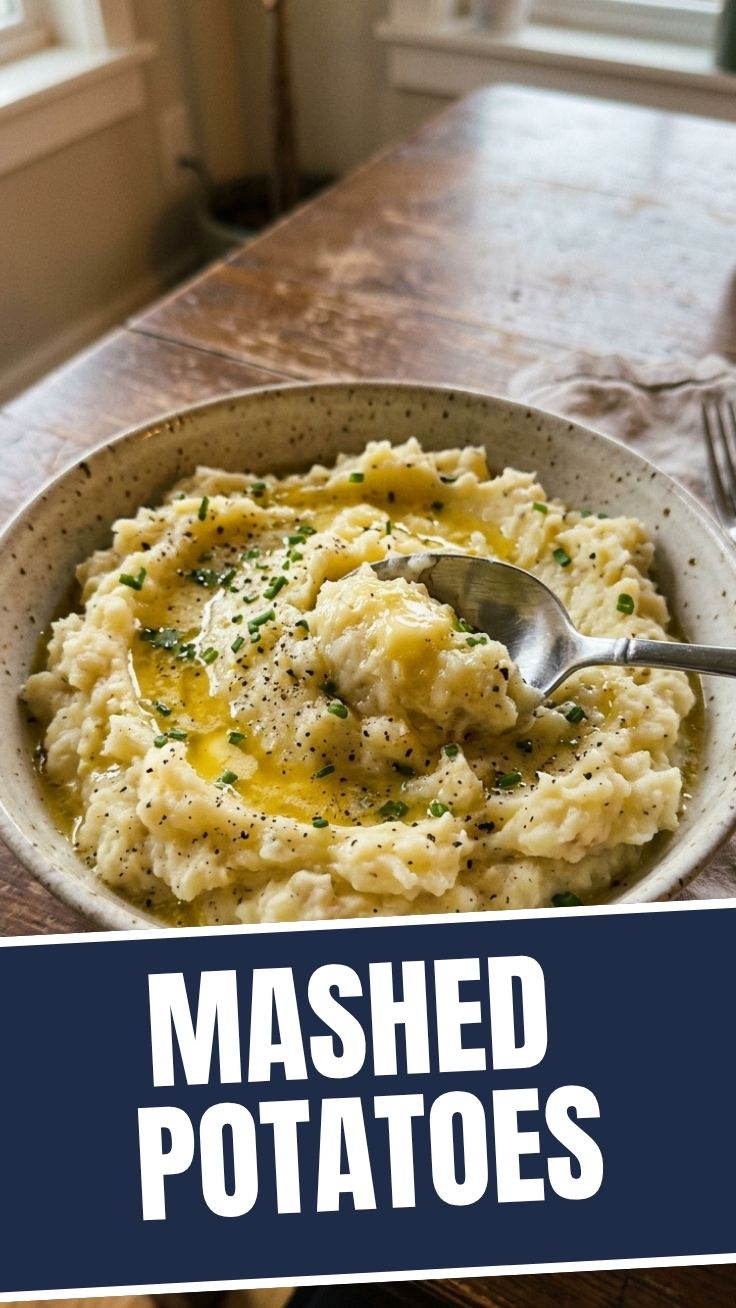
- Prep Time: 15 minutes (peeling and cutting potatoes, mincing garlic)
- Cook Time: 20-25 minutes (boiling potatoes)
- Mashing Time: 5-7 minutes
- Total Time: Approximately 40-45 minutes
This recipe is perfect for weeknight meals but elegant enough for special occasions. You can peel and cut the potatoes ahead of time and store them in cold water in the refrigerator for up to 24 hours to save on prep time.
Step-by-Step Instructions
1. Prepare the Potatoes: Peel the Russet potatoes and cut them into 1-inch uniform cubes. This ensures even cooking. Place the cut potatoes in a large pot and cover with cold water by about an inch. Add a generous pinch of salt to the water – this seasons the potatoes from the inside out.
2. Boil the Potatoes: Bring the water to a boil over high heat, then reduce the heat to medium and simmer until the potatoes are fork-tender, typically 15-20 minutes. Avoid overcooking, as this can lead to watery potatoes.
3. Drain Thoroughly: Once tender, drain the potatoes completely in a colander. For the best result, return the drained potatoes to the empty hot pot over low heat for 1-2 minutes, shaking occasionally. This helps evaporate any excess moisture, crucial for fluffy Mashed Potatoes.
4. Heat Dairy and Aromatics: While the potatoes are drying out, gently warm the milk and minced garlic in a small saucepan until simmering lightly. This infuses the milk with garlic flavor.
5. Mash and Combine: Remove the potatoes from the heat. Add the butter to the hot potatoes, allowing it to melt slightly. Using your potato masher, ricer, or food mill, mash the potatoes until most lumps are gone. Gradually add the warm garlic milk mixture, a little at a time, mixing gently until the desired consistency is reached. Do not overmix, as this can make the potatoes gummy.
6. Season to Perfection: Season with salt and black pepper to taste. Remember, proper seasoning is key to outstanding flavor. Serve immediately with a rich, savory homemade Gravy.
Nutritional Benefits & Advantages
Potatoes, often unfairly maligned, are a surprisingly nutrient-rich food. They are an excellent source of Vitamin C, Potassium, and Vitamin B6. When prepared healthily, they provide complex carbohydrates for sustained energy. Using fresh garlic adds powerful antioxidants and potential immune-boosting benefits. Choosing whole milk or cream increases fat-soluble vitamin absorption, while mindful portion control ensures a balanced meal.
Tips, Variations & Cooking Advice
- Flavor Boosts: Incorporate fresh herbs like rosemary or thyme directly into the warm milk for an infused flavor. A dollop of cream cheese or sour cream adds tanginess and extra creaminess.
- Dairy-Free: Substitute unsalted butter with a high-quality plant-based butter and switch to unsweetened almond or oat milk.
- Garlic Intensity: Roast a whole head of garlic until soft, then squeeze the pulp into the potatoes for a sweeter, mellower garlic flavor.
- Cheesy Mash: Fold in some grated Parmesan, Gruyere, or sharp cheddar at the end for a cheesy twist.
- Spice It Up: A pinch of cayenne pepper or a dash of hot sauce can add a subtle kick.
Common Mistakes to Avoid
- Overboiling: Leads to waterlogged, mushy potatoes that won’t mash well.
- Underseasoning: Bland potatoes are a criminal offense! Taste and adjust salt and pepper liberally.
- Using Cold Milk/Butter: Cold dairy will cool down your potatoes, making them harder to incorporate smoothly and affecting the final texture.
- Overmixing: This releases too much starch, resulting in a gluey, gummy texture. Mash just until smooth.
Storage & Meal Prep Tips
Leftover mashed potatoes can be stored in an airtight container in the refrigerator for up to 3-4 days. To reheat, gently warm them in a saucepan over low heat, adding a splash of milk or cream to restore their creamy texture. You can also microwave them with a lid, stirring occasionally. Freezing is possible, but they may become slightly grainier upon thawing. For best results, freeze in individual portions and use within 1-2 months.
Conclusion
Mastering the art of perfect Mashed Potatoes is a culinary triumph that will elevate countless meals and delight your loved ones. By following these detailed steps and incorporating our expert tips, you’ll consistently achieve a fluffy, flavorful, and irresistibly creamy side dish. Don’t let the thought of making homemade Mashed Potatoes intimidate you any longer. Pair them with a rich, aromatic homemade Gravy, and you’ve got a match made in heaven. Give this recipe a try, share your results in the comments below, and let us know your favorite variations!
FAQs
Q1: What’s the best way to get super smooth mashed potatoes?
A1: For the silkiest texture, use a potato ricer or food mill. These tools break down the potato cells without overworking them, preventing gumminess.
Q2: Can I use sweet potatoes instead of regular potatoes?
A2: Absolutely! Sweet potatoes make a delicious and slightly healthier variation. The cooking process is similar, but you might want to adjust the seasoning to complement their natural sweetness.
Q3: My mashed potatoes are too thin/watery. What went wrong?
A3: This usually means the potatoes weren’t drained thoroughly enough or too much liquid was added. If it happens, you can try gently heating them in a pan over low heat to evaporate some moisture, stirring constantly.
Q4: How can I make my mashed potatoes ahead of time for a party?
A4: Prepare them as directed, then transfer them to a slow cooker set to “warm” with a little extra milk or butter stirred in to keep them moist. You can also reheat them in a double boiler.
Q5: What’s the secret to getting crispy bits in my mashed potatoes?
A5: While not traditional for creamy mash, for crispy bits, you’d typically look at smashed or roasted potatoes. For a slight brown crust on top of creamy mashed potatoes, you can bake them in an oven-safe dish for 15-20 minutes after mashing.