Unleash the Mediterranean Magic: Crafting the Perfect Homemade Greek Salad
Ever craved a dish that tastes like a sun-drenched Greek island, bursting with vibrant flavors and refreshing textures? Look no further than the humble yet extraordinary Greek Salad. This iconic Mediterranean staple isn’t just a side dish; it’s a celebration of fresh, wholesome ingredients that tantalize the taste buds and nourish the soul. Preparing this classic at home offers unparalleled freshness and the opportunity to customize it to your exact preferences, ensuring every bite is a perfect symphony of taste. Forget pre-packaged versions; with our comprehensive guide, you’ll master the art of the Greek Salad Recipe, bringing a touch of Athenian culinary brilliance directly to your kitchen.
Ingredients & Kitchen Tools
For this authentic Greek Salad experience, gather these essential items:
- Ripe Tomatoes (2-3 large): Opt for vine-ripened for maximum sweetness and juiciness.
- English Cucumber (1 large): Less seedy and firmer than regular cucumbers, providing a satisfying crunch.
- Red Onion (1/2 medium): Thinly sliced for a pungent, yet refreshing bite.
- Kalamata Olives (1/2 cup pitted): The quintessential briny, fruity olive for authentic Greek flavor.
- Feta Cheese (4 oz block, not crumbled): A good quality block allows for rustic crumbling or cubes, intensifying the flavor.
- Green Bell Pepper (1 small): Adds a subtle sweetness and crisp texture.
- Extra Virgin Olive Oil (1/4 cup): The foundation of the dressing; choose a high-quality Greek oil if possible.
- Red Wine Vinegar (2 tbsp): Provides a tangy counterpoint to the richness of the oil.
- Dried Oregano (1 tsp): Essential for the distinctive aromatic profile.
- Salt & Freshly Ground Black Pepper (to taste): Season generously to enhance all the flavors.
Kitchen Tools:
- Large Mixing Bowl: For combining all the ingredients.
- Sharp Chef’s Knife: For precise chopping and slicing.
- Cutting Board: A sturdy surface for safe food preparation.
- Measuring Cups & Spoons: For accurate ingredient quantities.
- Whisk or Fork: For emulsifying the dressing.
- Salad Tongs: For gentle tossing.
Optional Substitutions: Feel free to add capers for extra tang, or substitute bell peppers with other colorful varieties. Cherry tomatoes can also be used if large tomatoes are out of season.
Prep Time & Cooking Schedule
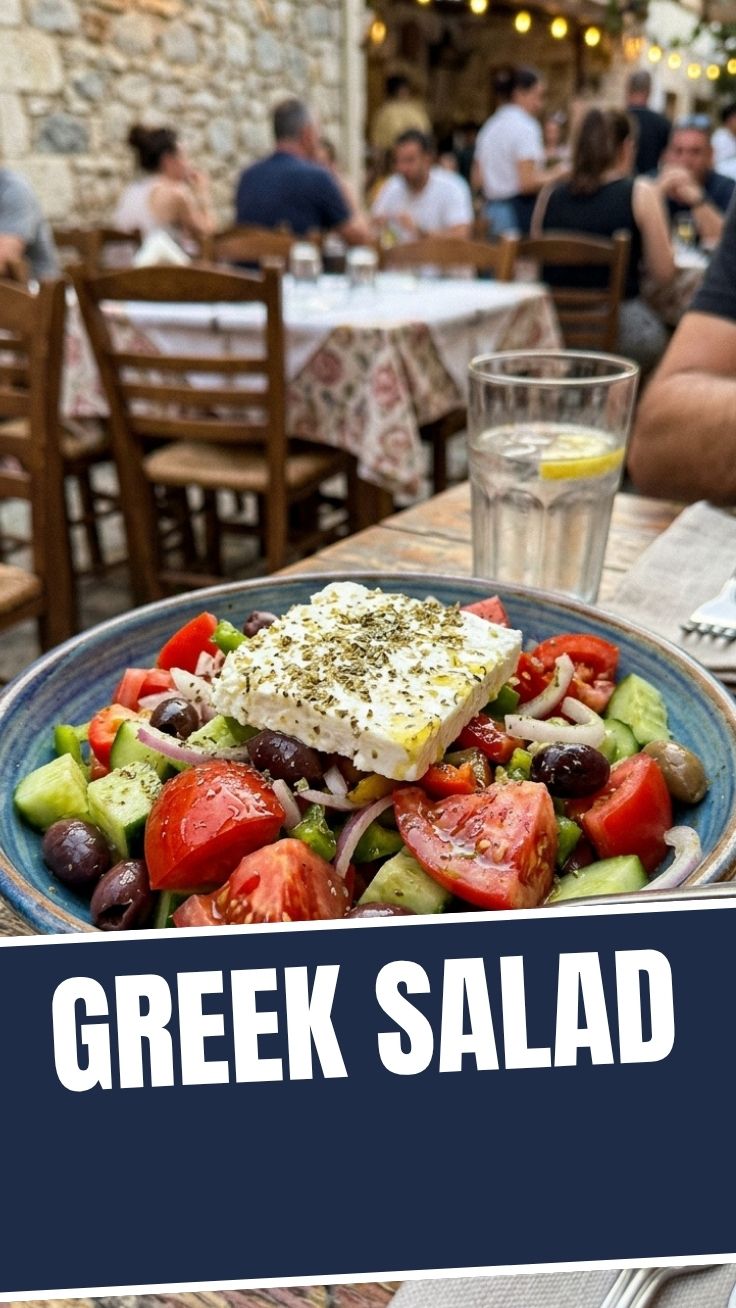
This Greek Salad is a champion of quick preparation, making it perfect for weeknight meals or last-minute gatherings.
- Prep Time: 15-20 minutes (chopping and assembling).
- Resting Time: 10 minutes (allowing flavors to meld).
There is no cook time required for this refreshing salad. The brief resting period is crucial as it allows the vegetables to release some of their juices, which then combine with the dressing to create a rich, integrated flavor profile. Plan to assemble the salad just before serving for optimal freshness and texture.
Step-by-Step Instructions
1. Prepare the Vegetables: Wash all your produce thoroughly. roughly chop the tomatoes into bite-sized wedges. Slice the cucumber into half-moon shapes. Halve, deseed, and thinly slice the green bell pepper. Peel and very thinly slice the red onion into rings.
2. Combine the Vegetables: In your large mixing bowl, gently combine the chopped tomatoes, cucumber, green bell pepper slices, and red onion rings. Add the pitted Kalamata olives.
3. Crumble the Feta: Take your block of feta cheese and, using your fingers, crumble it generously over the prepared vegetables. The rustic nature of crumbled feta adds authentic texture and flavor.
4. Whisk the Dressing: In a separate small bowl, whisk together the extra virgin olive oil, red wine vinegar, and dried oregano. Season generously with salt and freshly ground black pepper. Taste and adjust seasoning as needed. The dressing for a homemade Greek Salad should be bright and tangy.
5. Dress and Toss: Pour the prepared dressing over the salad ingredients. Using salad tongs, gently toss everything together until all the vegetables and feta are evenly coated. Be careful not to over-toss, as this can bruise the tomatoes.
6. Rest and Serve: Allow the salad to rest for at least 10 minutes before serving. This brief period allows the flavors to marry beautifully, creating a more harmonious and delicious Greek Salad Recipe. Serve immediately as a refreshing side or a light main course.
Nutritional Benefits & Advantages
The Greek Salad is a powerhouse of nutrition. Tomatoes are rich in lycopene, a powerful antioxidant, while cucumbers provide hydration and essential vitamins. Red onions offer querectin, an anti-inflammatory compound. Kalamata olives contribute healthy monounsaturated fats and antioxidants. Feta cheese, while flavorful, is also a source of calcium and protein. The extra virgin olive oil in the dressing is renowned for its heart-healthy monounsaturated fats and anti-inflammatory properties, making this not just a delicious dish, but a truly beneficial one for overall health.
Tips, Variations & Cooking Advice
- Amp up the Herbs: While oregano is classic, you can add fresh mint or dill for a brighter, more aromatic twist.
- Add Protein: Transform this side into a main course by adding grilled chicken, chickpeas (as in our featured Greek Salad Recipe), or canned tuna.
- Spice it up: A pinch of red pepper flakes can add a subtle kick if you enjoy a bit of heat.
- Dietary Adaptations: For a dairy-free version, omit the feta or use a plant-based feta alternative. It’s naturally gluten-free!
- Presentation: For an authentic look, don’t chop the feta too finely. Placing the block of feta whole on top of the salad and letting guests crumble it themselves can also be a nice touch.
Common Mistakes to Avoid
- Over-dressing: Start with a little dressing and add more if needed. A soggy salad is never appealing.
- Using Pre-crumbled Feta: Pre-crumbled feta often contains anti-caking agents that can alter the flavor and texture. A block is always superior.
- Skipping the Rest Time: This short resting period is crucial for the flavors to meld. Don’t rush it!
- Using Low-Quality Ingredients: The beauty of a Greek Salad lies in its simplicity and the quality of its components. Invest in good tomatoes, high-quality olive oil, and authentic feta for the best results.
Storage & Meal Prep Tips
While best enjoyed fresh, leftovers can be stored in an airtight container in the refrigerator for up to 2-3 days. The vegetables may become slightly softer, but the flavors will continue to meld. To maintain freshness, consider storing the dressing separately if you’re making a larger batch for meal prep and only dress individual portions just before eating. This prevents the vegetables from becoming too watery. This salad does not freeze well due to its high water content.
Conclusion
There you have it – a comprehensive guide to crafting the perfect homemade Greek Salad. This vibrant, nutritious, and utterly delicious dish is more than just a mix of ingredients; it’s an experience that transports you straight to the sun-drenched shores of Greece. Whether you’re preparing it as a refreshing side or a light meal, this Greek Salad Recipe promises to be a staple in your culinary repertoire. We encourage you to try this recipe, experiment with our tips, and share your delightful creations! What are your favorite Greek Salad variations? Let us know in the comments below!
FAQs
Q: Can I make the dressing ahead of time?
A: Yes, you can prepare the dressing up to a week in advance and store it in an airtight container in the refrigerator. Just give it a good shake or whisk before using.
Q: What kind of olives are best for Greek Salad?
A: Kalamata olives are traditional and highly recommended for their distinct flavor and texture.
Q: How can I make my red onion less pungent?
A: After slicing, you can soak the red onion in ice water for 10-15 minutes. This helps to mellow its strong flavor without sacrificing its crispness.
Q: Can I add other vegetables to the Greek Salad?
A: Absolutely! While the classic ingredients are listed, you can customize it with additions like thinly sliced radishes, sun-dried tomatoes, or even artichoke hearts, though it won’t be strictly traditional.
Q: What is the best way to serve Greek Salad?
A: Serve it chilled or at room temperature. It makes an excellent accompaniment to grilled meats, fish, or as a light standalone lunch.