Unlock the Secrets to the Perfect Homemade Lasagna: A Culinary Journey
Ever wondered how to craft a truly unforgettable Lasagna, one that transcends the ordinary and delights every palate? In a world filled with quick fixes and pre-made meals, there’s a unique satisfaction in preparing a classic like lasagna from scratch. Beyond the incredible aroma that fills your kitchen, mastering this dish at home offers unparalleled control over ingredients, allowing you to tailor it perfectly to your taste and dietary needs. Forget bland, watery versions; we’re about to embark on a delicious journey to create a rich, layered masterpiece that will become a staple in your culinary repertoire. This comprehensive guide will not only walk you through each step but also empower you with the knowledge to personalize your creation, ensuring every bite is a triumph. Prepare to impress your family and friends with an authentic homemade experience, and perhaps even inspire them to delve into the vast world of Lasagna recipes.
Ingredients & Kitchen Tools
To embark on your Lasagna adventure, gather these essential components:
For the Meat Sauce:
- 2 tablespoons olive oil: For sautéing and adding a rich base.
- 1 medium yellow onion, finely chopped: Adds a sweet, aromatic foundation.
- 2 cloves garlic, minced: Essential for deep flavor.
- 1 pound lean ground beef (or Italian sausage): The protein core of your sauce; lean ensures less grease.
- 1 (28-ounce) can crushed tomatoes: The body of your sauce, providing a robust tomato taste.
- 1 (15-ounce) can tomato sauce: Thins the crushed tomatoes while adding more tomato depth.
- 2 tablespoons tomato paste: Concentrates the tomato flavor.
- 1 teaspoon dried oregano: Classic Italian herb, earthy and aromatic.
- 1/2 teaspoon dried basil: Another staple herb, complementing the oregano.
- 1/4 cup chopped fresh parsley: Adds freshness and a touch of brightness.
- Salt and freshly ground black pepper to taste: Seasoning is key!
For the Ricotta Filling:
- 15 ounces fresh ricotta cheese: The creamy, tangy heart of your lasagna layers.
- 1 large egg, lightly beaten: Binds the ricotta mixture together.
- 1/2 cup grated Parmesan cheese: Adds a salty, umami kick.
- 1/4 cup chopped fresh parsley: For freshness and delicate flavor.
- 1/4 teaspoon nutmeg (optional): A secret ingredient that elevates the ricotta flavor.
- Salt and freshly ground black pepper to taste: To season the filling.
For Assembly:
- 12-15 lasagna noodles (oven-ready or regular): The foundation of your layers; oven-ready saves boiling time.
- 8 ounces shredded mozzarella cheese: The quintessential melty, cheesy topping.
- 1/2 cup grated Parmesan cheese: For a final flourish and flavor boost.
Kitchen Tools:
- Large skillet or Dutch oven: For preparing the meat sauce.
- Large mixing bowl: For combining the ricotta filling.
- 9×13 inch baking dish: The perfect vessel for your lasagna.
- Spatula or wooden spoon: For stirring.
- Measuring cups and spoons: For precise ingredient measurements.
- Sharp knife and cutting board: For chopping vegetables.
Optional Substitutions:
- Ground turkey or plant-based crumble: For a lighter or vegetarian option in the meat sauce.
- Cottage cheese: Can be used in place of ricotta for a slightly tangier, firmer texture.
- Gluten-free lasagna noodles: For dietary sensitivities.
Prep Time & Cooking Schedule
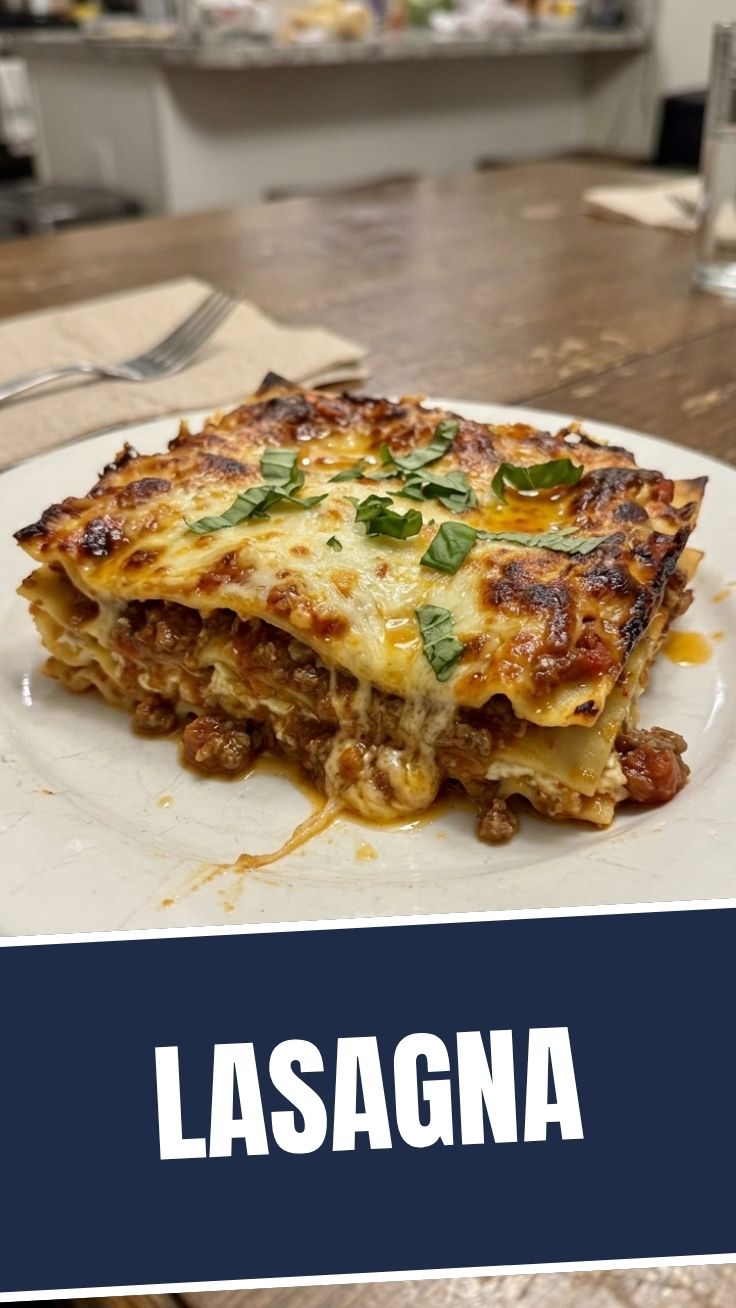
- Prep Time: 30-40 minutes (includes chopping, sauce preparation, and filling mixing).
- Cook Time: 45-55 minutes (uncovered for the last 10-15 minutes).
- Resting Time: 10-15 minutes (crucial for setting the layers and preventing collapse).
To ensure a smooth cooking process, consider preparing the meat sauce and ricotta filling ahead of time. Both can be made a day in advance and stored in the refrigerator, significantly reducing your active cooking time on the day of assembly. This lasagna benefits from a good rest period after baking, allowing the layers to settle and prevent a messy slump when cutting.
Step-by-Step Instructions
1. Prepare the Meat Sauce: Heat olive oil in a large skillet over medium heat. Sauté chopped onion until softened, about 5 minutes. Add minced garlic and cook for another minute until fragrant. Add ground beef (or sausage), breaking it up with a spoon, and cook until browned. Drain any excess fat. Stir in crushed tomatoes, tomato sauce, tomato paste, oregano, and basil. Bring to a simmer, then reduce heat, cover, and let it gently simmer for at least 30 minutes (up to an hour for deeper flavor), stirring occasionally. Stir in fresh parsley. Season generously with salt and pepper.
2. Make the Ricotta Filling: In a large bowl, combine ricotta cheese, beaten egg, 1/2 cup Parmesan cheese, fresh parsley, and nutmeg (if using). Mix until well combined. Season with salt and pepper.
3. Cook Lasagna Noodles (if not oven-ready): If using regular lasagna noodles, cook according to package directions until al dente. Drain and rinse with cold water to prevent sticking.
4. Assemble the Lasagna: Ladle a thin layer of meat sauce on the bottom of a 9×13 inch baking dish. Arrange a single layer of lasagna noodles over the sauce (trimming to fit if necessary). Spread half of the ricotta mixture evenly over the noodles. Top with about 1 cup of meat sauce, then sprinkle with 1/3 of the shredded mozzarella. Repeat this layering: noodles, remaining ricotta, meat sauce, and mozzarella. Place a final layer of noodles, cover with the remaining meat sauce, and sprinkle generously with the remaining mozzarella and 1/2 cup Parmesan cheese. Mastering the layering technique is key to a beautiful and sturdy lasagna, much like exploring the many intricate methods found in diverse Lasagna recipes.
5. Bake: Cover the baking dish loosely with foil (you can spray the underside of the foil with cooking spray to prevent cheese sticking). Bake for 25 minutes. Remove the foil and bake for another 20-30 minutes, or until the cheese is bubbly and lightly golden brown.
6. Rest: Let the lasagna rest for 10-15 minutes before slicing and serving. This allows the layers to set and makes for neater slices.
Nutritional Benefits & Advantages
Homemade Lasagna offers more than just comfort; it can be a surprisingly nutritious meal. Made with lean ground beef, it provides a good source of protein vital for muscle repair and growth. The generous use of tomatoes delivers a significant amount of lycopene, a powerful antioxidant linked to heart health. Ricotta cheese contributes calcium for bone strength, while fresh herbs like parsley are packed with vitamins A and C. By making it yourself, you control sodium levels and can opt for whole-wheat noodles to boost fiber content, aiding digestion and promoting satiety.
Tips, Variations & Cooking Advice
- Spice it up: Add a pinch of red pepper flakes to the meat sauce for a subtle kick.
- Veggie boost: Sauté chopped bell peppers, mushrooms, or spinach with the onions for added vegetables.
- Bechamel sauce: For a richer, creamier lasagna, replace the ricotta layer with a homemade béchamel sauce.
- Gluten-free: Use gluten-free lasagna noodles and ensure all other ingredients are certified gluten-free.
- Dairy-free: Substitute dairy ricotta with a plant-based ricotta alternative and use dairy-free mozzarella shreds.
- Freezing: Lasagna freezes beautifully! Assemble but do not bake. Cover tightly with foil and freeze for up to 3 months. Thaw overnight in the refrigerator before baking.
Common Mistakes to Avoid
- Over-saucing: Too much liquid can lead to a watery lasagna that falls apart. Aim for a thick meat sauce.
- Not seasoning layers: Each component (meat sauce, ricotta) needs proper seasoning for a balanced flavor overall.
- Cutting immediately: Skipping the resting time leads to a messy, collapsed lasagna. Patience is a virtue here!
- Under-baking: Ensure the internal temperature reaches a safe level and the cheese is beautifully melted and browned.
Storage & Meal Prep Tips
Leftover Lasagna can be stored in an airtight container in the refrigerator for up to 3-4 days. For longer storage, individual portions can be frozen for up to 3 months. To reheat, thaw frozen portions in the refrigerator overnight. Reheat in a preheated oven at 350°F (175°C) until heated through, covering with foil to prevent drying out. You can also microwave individual slices, though the texture might be slightly softer.
Conclusion
Crafting a homemade Lasagna is a rewarding culinary endeavor that brings unparalleled flavor and comfort to your table. From the rich, savory meat sauce to the creamy ricotta and perfectly proportioned layers, each step contributes to a dish that truly shines. By following this detailed guide, you’ve gained the knowledge and confidence to create a lasagna that will impress and satisfy. Don’t hesitate to experiment with the suggested variations, making this classic recipe truly your own. We encourage you to try this recipe, share your delicious results, and continue exploring the wonderful world of Lasagna recipes to broaden your culinary horizons!
FAQs
Q: Can I use no-boil lasagna noodles?
A: Yes, absolutely! Adjust your meat sauce to be slightly looser to provide enough moisture for the noodles to cook during baking. Always check package instructions as some brands vary.
Q: My lasagna is watery, what went wrong?
A: This usually happens if your meat sauce was too thin, or if you didn’t drain excess liquid from the ground beef. Ensure your sauce is thick and saucy, not soupy.
Q: Can I make this vegetarian?
A: Definitely! Substitute the ground beef with mushrooms, lentils, or a marinara sauce base. You can also find excellent plant-based ricotta and mozzarella alternatives.
Q: How do I prevent the top from burning while baking?
A: If the cheese is browning too quickly, loosely tent the baking dish with aluminum foil for the remaining baking time.
Q: What’s the best way to cut clean slices?
A: The key is to let your lasagna rest for at least 10-15 minutes after baking. This allows the layers to firm up and prevents them from sliding apart when you cut. Use a sharp knife for best results.