Smoke Up Your Health: Master the Art of High-Protein BBQ at Home
Ever wondered if delicious, smoky BBQ could actually be good for you? Forget the greasy, over-sauced stereotype! Today, we’re diving headfirst into the world of truly high protein BBQ recipes healthy – creations that tantalize your taste buds while nourishing your body. Preparing these culinary masterpieces at home isn’t just about saving money; it’s about controlling ingredients, mastering techniques, and elevating a perceived “cheat meal” into a cornerstone of a balanced diet. If you’re looking to infuse your meals with robust flavor and lean protein, this guide is your go-to resource for crafting unforgettable, healthy high protein grill recipes that will impress anyone who pulls up a plate.
Ingredients & Kitchen Tools
- Lean Protein Source (e.g., Chicken Breast, Pork Tenderloin, Flank Steak, Tofu): 1.5-2 lbs. Opt for organic or pasture-raised if possible. This is the star of our high protein BBQ recipes healthy.
- Low-Sugar BBQ Sauce: 1 cup. Look for brands with less than 5g sugar per serving, or make your own with apple cider vinegar, tomato paste, spices, and a touch of natural sweetener like stevia.
- Smoked Paprika: 1 tbsp. Adds authentic smoky flavor without needing a smoker.
- Garlic Powder: 1 tsp. A pantry staple for savory depth.
- Onion Powder: 1 tsp. Complements garlic for a balanced aromatic profile.
- Black Pepper: 1/2 tsp. Freshly ground is always best.
- Cayenne Pepper (optional): 1/4 tsp. For a touch of heat.
- Olive Oil or Avocado Oil: 2 tbsp. For marinating and searing.
- Fresh Herbs (e.g., Cilantro, Parsley): For garnish and freshness.
- Grill or Grill Pan: Essential for achieving those desirable char marks and smoky flavor.
- Tongs: For easy flipping and handling of meat.
- Meat Thermometer: Crucial for ensuring meat is cooked to safe internal temperatures.
- Mixing Bowls: For marinating.
- Cutting Board & Sharp Knife: For prep work.
Prep Time & Cooking Schedule
- Prep Time: 15 minutes
- Marinating Time: 30 minutes (minimum) to 4 hours (for deeper flavor penetration). Overnight marination is ideal for tougher cuts.
- Cook Time: 15-25 minutes (depending on protein type and thickness)
- Resting Time: 5-10 minutes (essential for juicy results)
Plan Ahead: For optimal flavor, especially with cuts like pork tenderloin or flank steak, aim for at least 2 hours of marinating. If you’re short on time, even 30 minutes will still impart great flavor. Cooking times are estimates, so always rely on your meat thermometer!
Step-by-Step Instructions
1. Prepare the Protein: Pat your chosen protein dry with paper towels. This helps achieve a better sear. Cut larger cuts into manageable portions if desired. Place in a large mixing bowl.
2. Make the Dry Rub: In a small bowl, combine smoked paprika, garlic powder, onion powder, black pepper, and cayenne pepper (if using). Mix well.
3. Season & Marinate: Drizzle the protein with olive or avocado oil, then sprinkle generously with the dry rub, ensuring all sides are evenly coated. Add 1/4 cup of the low-sugar BBQ sauce and toss to combine. Cover the bowl and refrigerate for 30 minutes to 4 hours.
4. Preheat Grill: Preheat your grill or grill pan to medium-high heat (around 400°F / 200°C). Lightly oil the grates to prevent sticking.
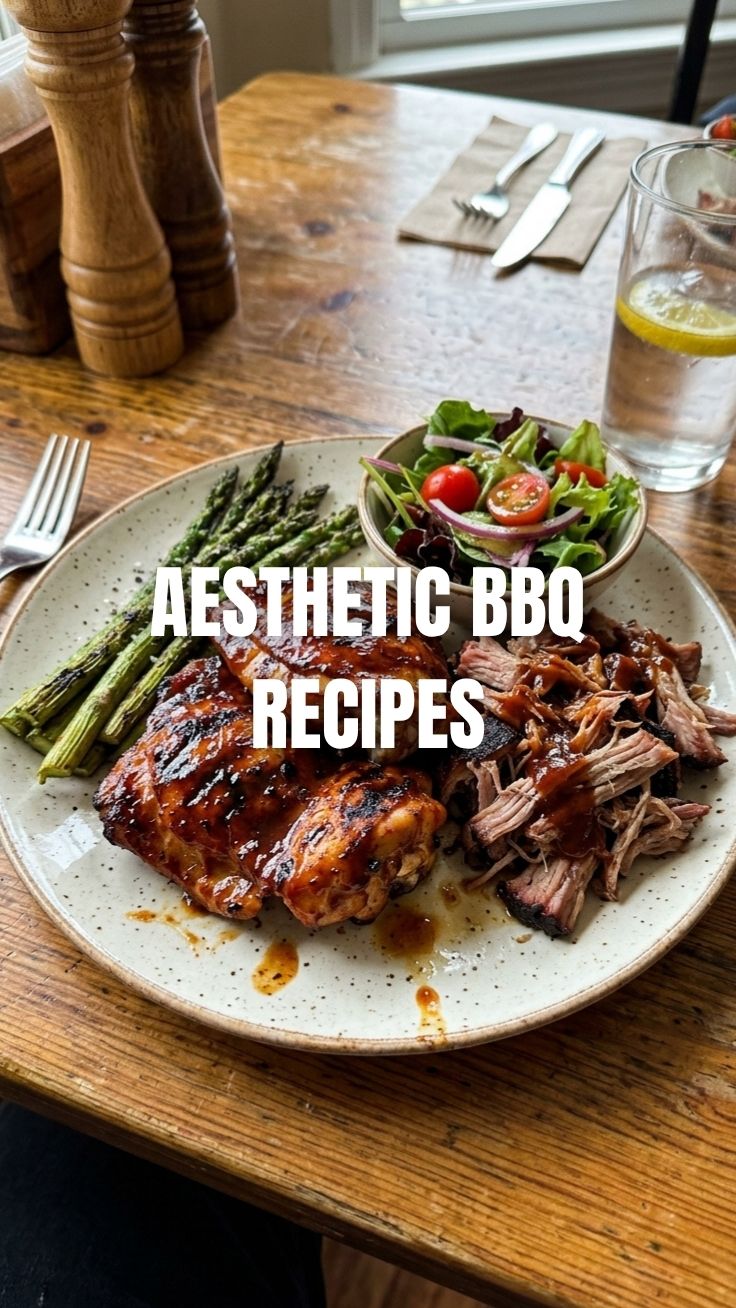
5. Grill to Perfection: Place the marinated protein on the hot grill. Cook for 5-7 minutes per side, or until beautiful grill marks appear and the internal temperature reaches the safe minimum for your protein (e.g., chicken: 165°F/74°C, pork: 145°F/63°C, steak: 135°F/57°C for medium-rare). Baste with additional low-sugar BBQ sauce during the final few minutes of cooking for extra flavor and glaze. This is one of the easiest high protein BBQ recipes healthy you can master at home.
6. Rest & Serve: Remove the cooked protein from the grill and let it rest on a cutting board, loosely tented with foil, for 5-10 minutes. This allows the juices to redistribute, ensuring a tender and moist result – a hallmark of truly healthy high protein grill recipes. Slice against the grain for maximum tenderness. Garnish with fresh herbs before serving.
Nutritional Benefits & Advantages
This recipe is a powerhouse of lean protein, essential for muscle repair, growth, and satiety. By opting for lean cuts and low-sugar sauces, we drastically reduce saturated fat and empty calories often associated with traditional BBQ. The spices provide antioxidants and anti-inflammatory properties, while grilling helps retain nutrients. It’s a fantastic option for weight management, athletic performance, and general well-being, keeping you full and energized without the post-meal slump.
Tips, Variations & Cooking Advice
- Spice It Up: Experiment with different dry rubs. Smoked paprika, cumin, and chili powder create a Southwestern vibe, while ginger, garlic, and a touch of sesame oil move towards an Asian fusion.
- Veggie Boost: Add grilling-friendly vegetables like bell peppers, zucchini, or red onion directly to the grill alongside your protein for a complete meal.
- Marinade Magic: For extra tender results, consider adding a tablespoon of apple cider vinegar or lemon juice to your marinade; the acidity helps break down muscle fibers.
- Alternative Cooking: No grill? No problem! Bake at 400°F (200°C) until cooked through, or broil for a few minutes per side to achieve a nice char.
Common Mistakes to Avoid
- Overcooking: The number one sin! Always use a meat thermometer. Overcooked protein is dry and tough.
- Not Resting: Skipping the resting step results in juices running out when you cut, leaving you with dry meat. Patience is key!
- Cold Grill: Putting food on a cold grill leads to sticking and poor searing. Ensure your grill is properly preheated.
- Overcrowding: Don’t cram too much food onto the grill at once. This lowers the temperature and steams the food instead of grilling it, preventing good browning.
Storage & Meal Prep Tips
Cooked protein can be stored in an airtight container in the refrigerator for up to 3-4 days. It’s excellent for meal prepping; slice it cold into salads, shred for wraps, or reheat gently in a skillet or microwave with a splash of broth to prevent drying out. Freezing is also an option for up to 2-3 months; thaw overnight in the refrigerator before reheating.
Conclusion
Embracing the world of homemade barbecue is about so much more than just a meal; it’s about savoring flavor, taking control of your health, and rediscovering the joy of cooking. This guide has equipped you with the knowledge to craft incredibly delicious and high protein BBQ recipes healthy that prove wholesome eating doesn’t have to compromise on taste. Whether you’re a grilling novice or a seasoned pitmaster, these healthy high protein grill recipes are designed to be approachable, adaptable, and utterly satisfying. Give this recipe a try, share your flavorful creations with us, and get ready to elevate your BBQ game!
FAQs
Q1: Can I use frozen meat for this recipe?
A1: Yes, but ensure it’s fully defrosted in the refrigerator before marinating and cooking. This ensures even cooking and safe temperatures.
Q2: What’s the best way to get good grill marks?
A2: Preheat your grill to medium-high, clean the grates, and lightly oil them. Place the protein down and avoid moving it for at least 5 minutes to allow proper searing.
Q3: How can I make my homemade BBQ sauce healthier?
A3: Reduce or replace brown sugar with natural sweeteners like stevia or erythritol. Use apple cider vinegar for tang, and focus on fresh herbs and spices for flavor instead of added sugars or high-sodium ingredients.
Q4: Can I adapt this for vegetarian or vegan diets?
A4: Absolutely! Substitute chicken or pork with firm tofu, tempeh, or thick-cut portobello mushrooms. Ensure your BBQ sauce is vegan-friendly. Marinating times might vary slightly for plant-based proteins.
Q5: My grilled protein always turns out dry. What am I doing wrong?
A5: The most common culprits are overcooking (not using a meat thermometer!) and not allowing the meat to rest after grilling. Always let protein rest for 5-10 minutes to redistribute juices and result in a tender, moist meal.