Unlock the Secret to the Perfect Creamy Clam Chowder at Home
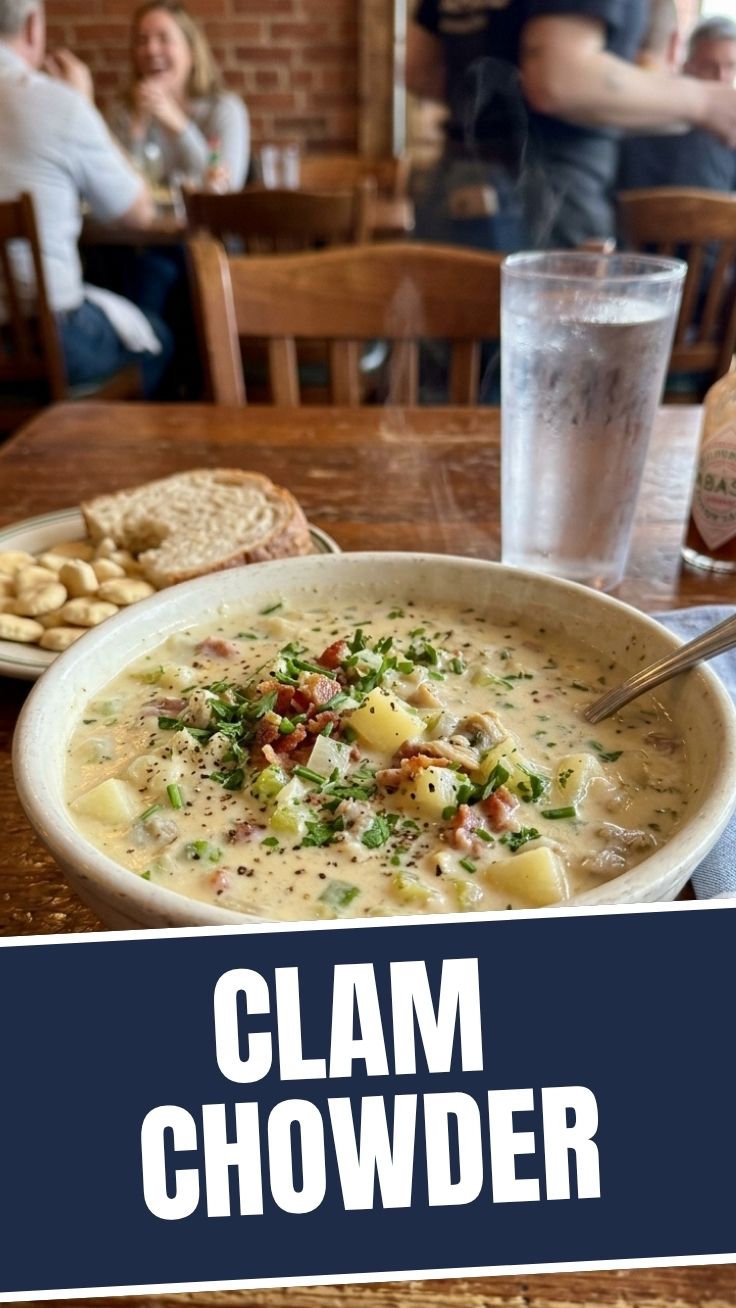
Ever dreamt of mastering that rich, comforting bowl of Clam Chowder, reminiscent of a seaside New England eatery, right in your own kitchen? The good news is, it’s entirely achievable! Preparing this beloved dish at home not only savors your taste buds but also allows you to control the quality of ingredients, customize flavors to your preference, and truly embrace the joy of homemade goodness. Today, we’re diving deep into crafting an authentic New England Clam Chowder, a culinary journey that promises to elevate your cooking prowess and delight everyone at your table. Forget those bland canned versions; your homemade rendition of this classic creamy soup will be a game-changer.
Ingredients & Kitchen Tools
To embark on this delicious adventure, gather these essential components:
Ingredients:
- 2 lbs fresh clams (littlenecks or cherrystones): The heart of our chowder; ensures optimal flavor and tenderness. Can substitute with 2 (6.5 oz) cans chopped clams, drained, reserving 1 cup of liquid.
- 4 slices thick-cut bacon, diced: Adds a smoky depth and provides rendered fat for sautéing.
- 1 large yellow onion, chopped: Builds the aromatic foundation.
- 2 celery stalks, chopped: Contributes a subtle, earthy crispness.
- 2 medium Yukon Gold potatoes, peeled and diced (½-inch cubes): Essential for that signature creamy, starchy texture.
- 4 cups clam juice: Enhances the briny essence; can use clam broth or reserved liquid from canned clams.
- 2 cups whole milk: Provides a rich, velvety consistency.
- 1 cup heavy cream: Elevates the luxuriousness and mouthfeel.
- ¼ cup all-purpose flour: Acts as a thickening agent for the roux.
- 2 tablespoons unsalted butter: Used for the roux, adding richness.
- 1 teaspoon fresh thyme leaves, chopped: Earthy and fragrant, complements the seafood.
- Bay leaf (1): Infuses a delicate, savory aroma.
- Salt and freshly ground black pepper to taste: Crucial for seasoning and balancing flavors.
- Fresh parsley or chives, chopped (for garnish): Adds a pop of color and fresh herbaceousness.
Kitchen Tools:
- Large heavy-bottomed pot or Dutch oven: Ideal for even heat distribution and preventing scorching.
- Large skillet: For cooking bacon and sautéing aromatics.
- Fine-mesh sieve: For straining clam cooking liquid.
- Whisk: Essential for creating a smooth roux.
- Cutting board and sharp knife: For efficient ingredient preparation.
- Measuring cups and spoons: For accurate ingredient quantities.
Prep Time & Cooking Schedule
- Prep time: 20 minutes (includes clam cleaning and vegetable chopping)
- Cook time: 45-50 minutes
- Resting time: 5 minutes (allows flavors to meld before serving)
Plan your cooking session flexibly. The initial stages of browning bacon and sautéing vegetables can be done in advance if needed, saving time during peak meal preparation. Ensure your clams are thoroughly cleaned before cooking to avoid any grit in your chowder.
Step-by-Step Instructions
1. Prepare the Clams: If using fresh clams, scrub them thoroughly under cold running water. Discard any open clams that don’t close when tapped. In a large pot, combine clams with 1 cup of water or clam juice. Cover and steam over medium-high heat for 5-7 minutes, or until shells open. Discard any unopened clams. Remove claims from shells, roughly chop, and reserve the cooking liquid, straining it through a fine-mesh sieve to remove any grit.
2. Cook Bacon & Sauté Aromatics: In your large Dutch oven, cook the diced bacon over medium heat until crispy. Remove bacon with a slotted spoon, leaving about 2 tablespoons of rendered fat in the pot. Add the chopped onion and celery to the pot and sauté for 5-7 minutes until softened and translucent.
3. Create the Roux: Reduce heat to medium-low. Add butter to the pot with the vegetables. Once melted, sprinkle in the flour and whisk constantly for 1-2 minutes to create a smooth roux.
4. Build the Base: Gradually whisk in the reserved clam liquid and clam juice (or broth), ensuring no lumps form. Add the diced potatoes, bay leaf, and fresh thyme. Bring to a simmer, then reduce heat to low, cover, and cook for 15-20 minutes, or until potatoes are tender.
5. Finish the Clam Chowder: Stir in the whole milk, heavy cream, and chopped cooked clams. Heat through gently, without boiling, for about 5 minutes. Season generously with salt and freshly ground black pepper to taste. Don’t be shy with the seasoning for this delightful New England Clam Chowder!
6. Serve & Garnish: Remove the bay leaf. Ladle hot chowder into bowls. Garnish with a sprinkle of fresh parsley or chives and the crispy bacon bits you set aside.
Nutritional Benefits & Advantages
This hearty Clam Chowder offers more than just comfort. Clams are an excellent source of lean protein, iron, and vitamin B12, crucial for energy production and nerve health. Potatoes provide complex carbohydrates for sustained energy and are a good source of vitamin C and potassium. The dairy contributes calcium for bone health. While it’s a rich dish, preparing it at home allows for conscious portion control and ingredient choices, making it a more wholesome option than many restaurant versions.
Tips Variations & Cooking Advice
- Smoky Twist: For an extra layer of smokiness, add a pinch of smoked paprika along with the flour.
- Herb Variations: Experiment with other herbs like a pinch of dried dill or a sprig of fresh tarragon for different flavor profiles.
- Dairy-Free Option: For a dairy-free version, substitute whole milk with unsweetened full-fat coconut milk and heavy cream with full-fat coconut cream. Use a plant-based butter alternative.
- Gluten-Free: Use a gluten-free all-purpose flour blend for the roux.
- Thicker Consistency: If you prefer a thicker chowder, you can mash a few of the cooked potato cubes against the side of the pot with a fork or create a cornstarch slurry (1 tablespoon cornstarch mixed with 2 tablespoons cold water) and whisk it in during step 5.
Common Mistakes to Avoid
- Overcooking Clams: This leads to tough, rubbery clams. Steam only until shells open.
- Boiling After Adding Dairy: High heat can cause the milk and cream to curdle. Always simmer gently.
- Undercooking Potatoes: Ensure potatoes are fork-tender for a smooth, cohesive chowder.
- Not Seasoning Enough: Salt and pepper are crucial for balancing the rich flavors. Taste and adjust before serving.
- Grit from Uncleaned Clams: Thoroughly scrub and purge fresh clams to avoid unwanted texture.
Storage & Meal Prep Tips
Leftover Clam Chowder can be stored in an airtight container in the refrigerator for up to 3-4 days. To reheat, gently warm on the stovetop over low heat, stirring occasionally. Avoid high heat to prevent curdling. Freezing is generally not recommended as the dairy components can separate, affecting the texture upon thawing. However, if you must, freeze in individual portions and whisk thoroughly when reheating to try and reintegrate the separated elements.
Conclusion
Crafting your own creamy Clam Chowder is a truly rewarding culinary experience. From the briny clams to the velvety broth, this homemade rendition of New England Clam Chowder offers an unparalleled depth of flavor and comfort. We encourage you to try this recipe and savor the authentic taste of the maritime tradition right in your home kitchen. Share your results, tag us in your culinary creations, and let us know how your homemade chowder turned out!
FAQs
Q1: Can I use frozen clams for this recipe?
A1: Yes, you can use frozen, pre-shelled clams. Thaw them thoroughly and drain any excess liquid before adding them in step 5. Adjust clam juice quantity as needed.
Q2: My chowder is too thin, what can I do?
A2: You can create a cornstarch slurry (1 tablespoon cornstarch mixed with 2 tablespoons cold water), then slowly whisk it into the simmering chowder until it reaches your desired thickness.
Q3: How can I make this chowder richer?
A3: For an even richer chowder, increase the heavy cream by an additional half cup or add a tablespoon of cream cheese at the end of cooking, stirring until fully melted and incorporated.
Q4: Can I add other vegetables to the chowder?
A4: While traditional recipes are minimal, you could incorporate finely diced leeks or a small amount of corn kernels for a touch of sweetness, added during step 4.
Q5: What’s the best way to clean fresh clams?
A5: To “purge” clams of sand, place them in a bowl of cold, salted water (1/3 cup salt per gallon of water) for 30 minutes to an hour. The clams will naturally filter the water and expel sand. Rinse them thoroughly before cooking.