Mastering the Art of Homemade Potato Salad: Your Ultimate Guide
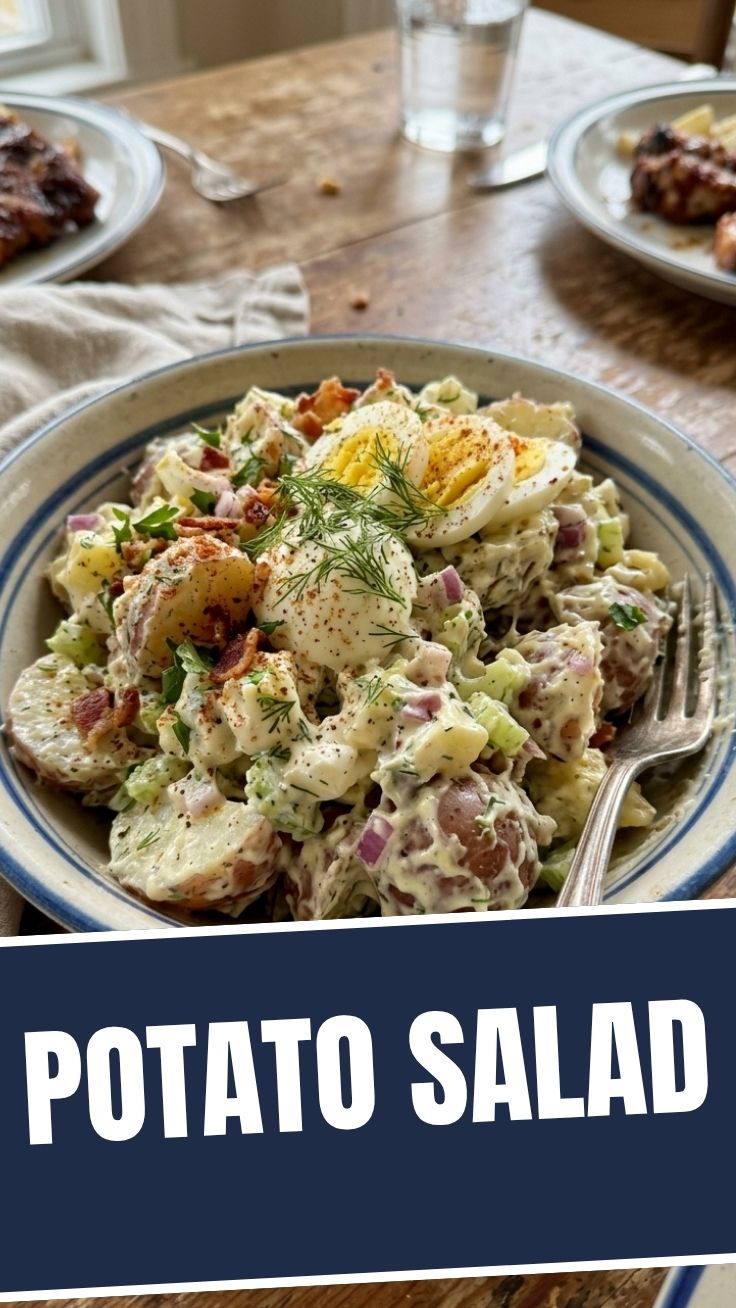
Ever wondered how some dishes just sing with flavor, comforting your soul with every bite? The humble Potato Salad is one such culinary masterpiece. While readily available in countless deli counters, crafting your own at home elevates it from a simple side dish to a star attraction. There’s an undeniable satisfaction in controlling each ingredient, ensuring freshness, and tailoring the flavors to your exact preferences. If you’re ready to elevate your picnic spreads and backyard barbecues, mastering a truly delicious potato salad recipe is an essential skill every home cook should possess.
Ingredients & Kitchen Tools
Gathering your mise en place is the first step to culinary success. Here’s what you’ll need:
- 2 lbs Russet Potatoes (or Yukon Gold): Russets offer a fluffy texture ideal for absorbing dressing, while Yukon Golds provide a creamier consistency that holds its shape well.
- 1 cup Mayonnaise (full-fat recommended): The creamy base of our dressing. Full-fat yields the richest flavor.
- 1/4 cup Dijon Mustard: Adds a tangy, slightly spicy depth.
- 2 Celery Stalks (finely diced): Provides a crucial crunch and fresh contrast.
- 1/2 Red Onion (finely minced): Offers a subtle sharpness and vibrant color. For a milder flavor, soak in ice water for 10 minutes.
- 2 Hard-Boiled Eggs (chopped, optional): Enhances creaminess and adds protein.
- 1/4 cup Fresh Dill (chopped): Essential for that classic fresh, herbaceous note.
- 2 tbsp Apple Cider Vinegar: Brightens the flavor profile and balances richness.
- 1 tsp Smoked Paprika: Adds a subtle smoky complexity and color.
- Salt and Freshly Ground Black Pepper (to taste): Season generously throughout the cooking process.
Kitchen Tools:
- Large Pot: For boiling potatoes.
- Large Mixing Bowl: For combining all ingredients.
- Whisk: For emulsifying the dressing.
- Sharp Knife & Cutting Board: For precise dicing.
- Colander: For draining potatoes.
- Measuring Cups & Spoons: For accurate ingredient proportions.
- Potato Masher (optional): For a slightly chunkier, less uniform texture.
Prep Time & Cooking Schedule
- Prep Time: 20 minutes (chopping vegetables, making dressing)
- Cook Time: 15-20 minutes (boiling potatoes)
- Cooling/Chilling Time: At least 2 hours (essential for flavor development and proper texture)
Plan ahead! While the active prep and cook time is minimal, the cooling and chilling phase is critical. This allows the potatoes to fully absorb the dressing, melding all the flavors into a harmonious whole. Don’t rush this step; your patience will be rewarded with a superior Potato Salad.
Step-by-Step Instructions
1. Prepare the Potatoes: Wash and peel the potatoes. Cut them into 1-inch cubes. Aim for uniform size to ensure even cooking. Place them in the large pot, cover with cold water by about an inch, and add a generous pinch of salt. Bring to a boil, then reduce heat and simmer until fork-tender but not mushy, about 15-20 minutes.
2. Drain and Cool: Once cooked, drain the potatoes thoroughly in a colander. Gently shake to remove excess water. Spread them out on a baking sheet to cool slightly. This allows some steam to escape, preventing a watery dressing.
3. Whip Up the Dressing: While the potatoes cool, whisk together the mayonnaise, Dijon mustard, apple cider vinegar, smoked paprika, salt, and pepper in your large mixing bowl until smooth and well combined.
4. Combine Ingredients: Once the potatoes are cool enough to handle (still slightly warm is okay, as it helps absorption), add them to the bowl with the dressing. Gently fold them in, being careful not to mash them too much if you prefer distinct chunks.
5. Add Your Veggies and Herbs: Incorporate the finely diced celery, minced red onion, chopped hard-boiled eggs (if using), and fresh dill. Fold gently until everything is evenly distributed.
6. Season and Chill: Taste and adjust seasoning as needed. You might need more salt, pepper, or a splash more vinegar for brightness. For the best flavor and texture, cover the bowl and refrigerate for at least 2 hours, or ideally overnight. This chilling time is paramount for achieving a truly exceptional potato salad recipe, allowing the flavors to meld beautifully.
Nutritional Benefits & Advantages
Potatoes, often maligned, are a surprisingly nutrient-dense food. They are an excellent source of Vitamin C, B6, potassium, and manganese. When prepared as Potato Salad, they offer complex carbohydrates for sustained energy. Celery and onions add fiber, vitamins, and antioxidants. While mayonnaise contributes healthy fats, opting for a homemade version or a quality store-bought brand allows for better control over ingredients. Adding hard-boiled eggs boosts protein content, making this side dish more filling.
Tips, Variations & Cooking Advice
- Flavor Variations: Experiment with different herbs like chives or parsley. Add a pinch of curry powder for an Indian-inspired twist, or finely chopped pickles for extra tang.
- Ingredient Swaps: For a lighter version, use Greek yogurt or a blend of Greek yogurt and mayonnaise. For a dairy-free option, use a vegan mayonnaise alternative. Sweet potatoes can also be used for a unique twist.
- Texture Control: For a creamier salad, mash about a quarter of the potatoes before mixing. For a chunkier version, ensure potatoes are just fork-tender.
- Don’t Overcook Potatoes: Mushy potatoes lead to a gluey salad. Always keep an eye on them.
- Season in Layers: Salt the water for potatoes, and season the dressing. This builds flavor from the ground up.
Common Mistakes to Avoid
- Overcooking Potatoes: As mentioned, this is a cardinal sin. It leads to a mealy texture that falls apart.
- Dressing Hot Potatoes: Mixing dressing with hot potatoes causes the potatoes to break down and the dressing to become watery. Always cool them first.
- Not Enough Seasoning: Potato Salad needs bold seasoning. Don’t be afraid to taste and adjust.
- Rushing the Chilling Process: This is crucial for flavor development. Skipping it results in a less integrated, less flavorful dish.
Storage & Meal Prep Tips
Store leftover Potato Salad in an airtight container in the refrigerator for up to 3-4 days. It is not recommended to freeze potato salad, as the texture of the potatoes can become mealy and watery upon thawing. For meal prep, you can boil and chop potatoes ahead of time and store them separately. Dice and prepare vegetables, then combine everything the day before serving for optimal flavor.
Conclusion
There you have it – your blueprint for crafting the ultimate homemade Potato Salad. By following these detailed steps, paying attention to ingredient quality, and embracing the crucial chilling time, you’ll create a dish that is far superior to any store-bought version. This isn’t just about mixing ingredients; it’s about understanding the nuances that transform a simple potato salad recipe into a culinary highlight. We encourage you to try this recipe, personalize it with your favorite flavors, and share your delicious results with friends and family. Happy cooking!
FAQs
Q1: Can I use different types of potatoes?
A1: Yes! While Russet and Yukon Gold are ideal, Red Bliss or new potatoes can also be used. Their waxy texture means they hold their shape better, but they might absorb less dressing.
Q2: How do I prevent my potato salad from becoming watery?
A2: Ensure potatoes are thoroughly drained and slightly cooled before adding the dressing. Overcooked potatoes also release more water.
Q3: Can I make this in advance?
A3: Absolutely! Potato salad tastes even better the next day as flavors have more time to meld. Just give it a good stir before serving.
Q4: What’s the best way to add tanginess without too much vinegar?
A4: Besides apple cider vinegar, you can use a squeeze of fresh lemon juice, finely chopped dill pickles, or a tablespoon of pickle juice.
Q5: My potato salad always tastes bland. What am I doing wrong?
A5: You’re likely not seasoning enough! Remember to salt the potato cooking water, season the dressing generously, and taste and adjust at the end. Don’t forget the acid (vinegar) to brighten flavors.